

Redefining Prosperity Through "Symbiosis": The 6th iPERA Symposium Opened at CCU College of Management
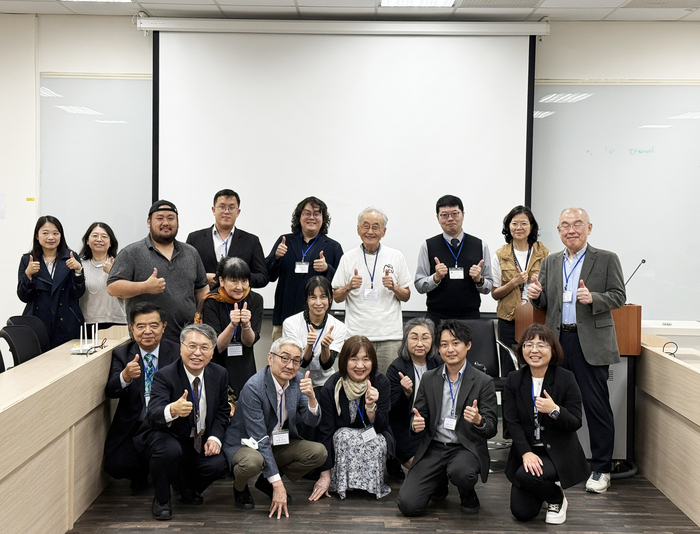
An international conference born from an unexpected disruption eight years ago evolved into a powerful catalyst for social change. In 2018, the iPERA (International Profession Educational Research Association) conference was established amidst unforeseen circumstances and quickly gained renown for "breaking disciplinary boundaries and fostering intimate dialogue."
On March 17, the 6th iPERA International Academic Symposium commenced at the College of Management, National Chung Cheng University (CCU). This year’s theme, "Designing Symbiosis: Theory and Practice of Local Revitalization Driven by Public Interest Capitalism," explored how the fusion of academic rigor and local wisdom could realize a mutually beneficial social transformation in the era of globalization. Under the leadership of President Shaw-Jenq Tsai, CCU continued to prioritize the intersection of humanistic values and technological advancement.
Public Interest Capitalism: From Competition to "Symbiotic" Design
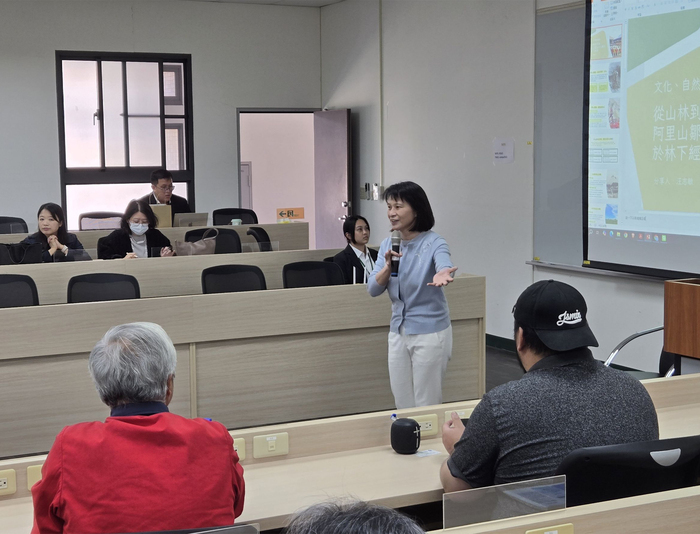
The symposium was inaugurated by Dean Ya-Hui Lien of the CCU College of Management. Dean Lien noted that in the post-pandemic era, traditional capital models solely pursuing profit reached a bottleneck. This year’s conference introduced the concept of "Public Interest Capitalism," emphasizing that enterprises and local development should function as a "symbiotic entity." The original spirit of iPERA—where professors from diverse fields engaged in deep conversation within a single classroom—represented the perfect microcosm of the "human-centric values" and "cross-border connectivity" at the heart of Public Interest Capitalism, echoing President Shaw-Jenq Tsai's vision for a sustainable university.
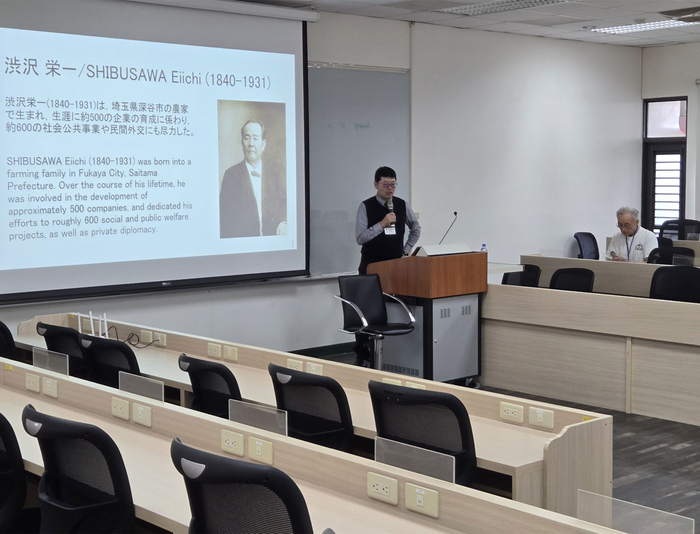
Researchers Toshifumi Takada and Yoko from the CCU Center for Fintech and Wisdom Governance further facilitated a Taiwan-Japan dialogue. They invited Professor Noriaki Oku from Tokyo International University to co-examine how institutional design could ensure that commercial development was not predatory, but rather a nutrient that sustained local cultural longevity.
Practice on the Ground: A Deep Dialogue with Tsou Tribal Wisdom
The symposium manifested the theory of "Symbiosis" through the tangible achievements of Alishan, showcasing the fruitful outputs of CCU’s University Social Responsibility (USR) project:
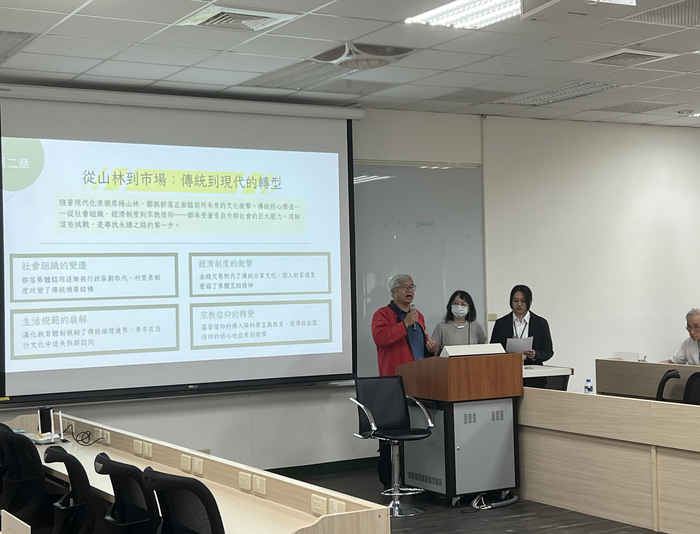
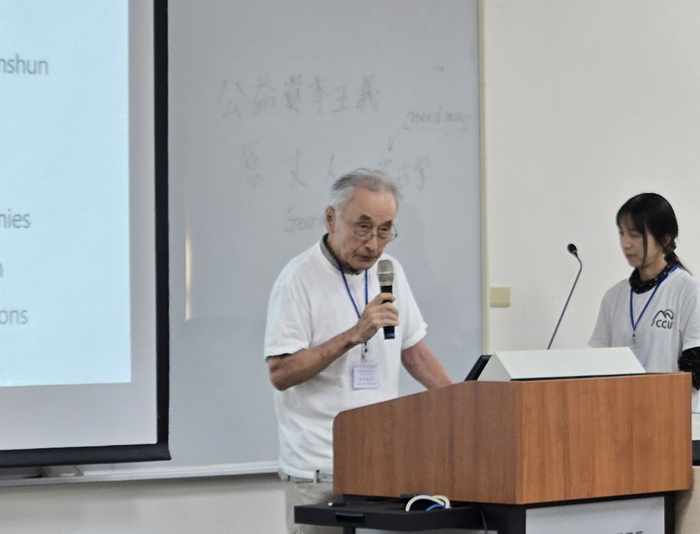
Symbiosis of Cultural Translation: Elder Chih-Min Wang of the Tefuye Tribe, who also served as the Chairman of the Alishan Indigenous Agriculture and Forestry Cooperative, brought Tsou traditional culture into the ivory tower. Having led numerous empowerment courses and student projects at CCU, Elder Wang was invited to interpret Tsou traditions for Taiwanese and Japanese scholars. He emphasized that the tribal spirit of "shared ownership" and "common good" represented the most primitive and moving local practice of Public Interest Capitalism.
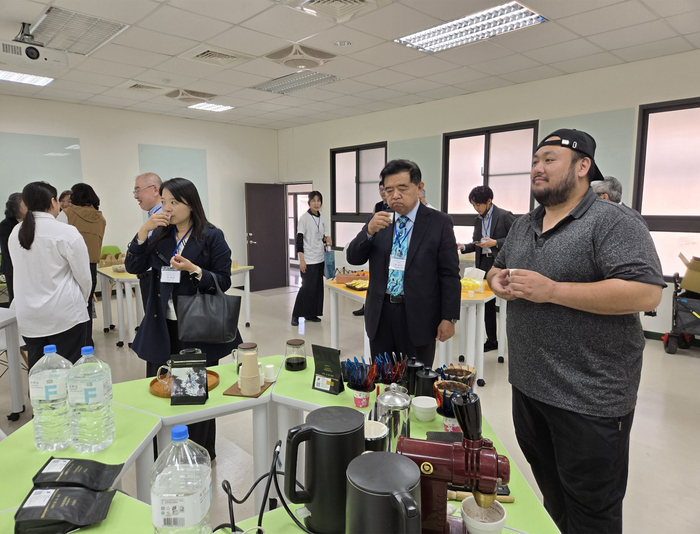
Symbiosis of Industry and Craft: Local youth artisan Chen-Sung Pu, who returned to his hometown to produce award-winning specialty coffee, frequently shared his expertise through campus workshops. At the event, he demonstrated the art of hand-poured coffee and performed "Spring's Sahobime" by the legendary Tsou figure, Uyongu Yatauyungana (Kao I-sheng). This was more than a display of skill; it was a sensory education "from the soil to the cup, from the tribe to the world," allowing management students to experience how commercial power could gain global influence when it embraced local terroir.
The USR Spirit: Building a Local Platform with Global Vision
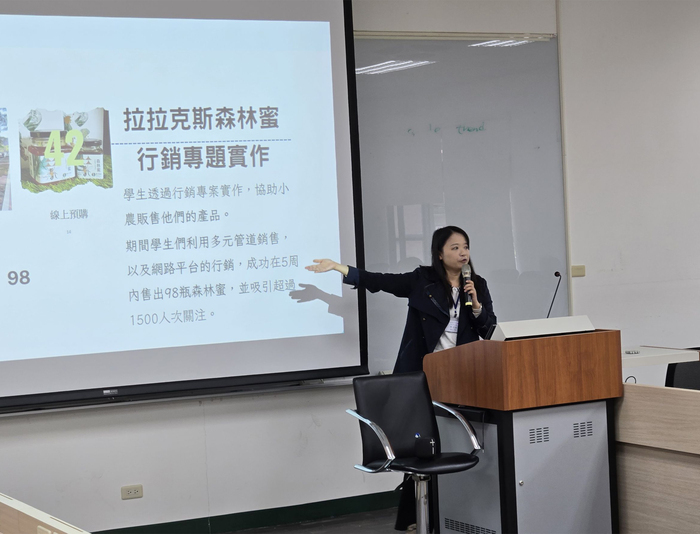
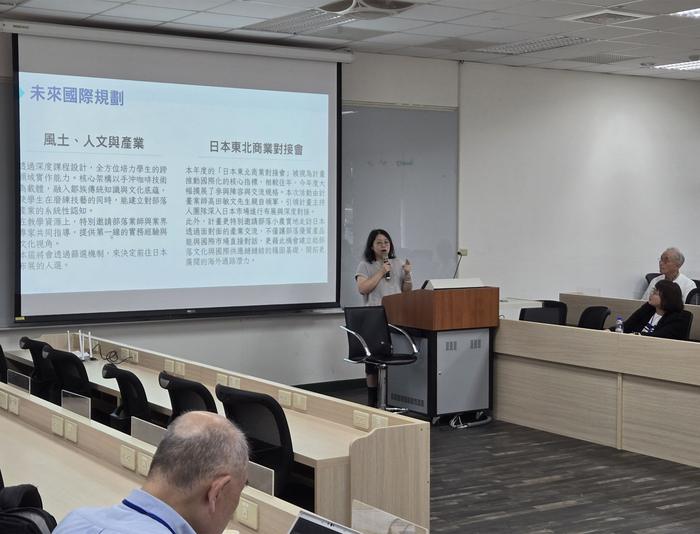
Dean Ya-Hui Lien concluded that the College of Management was not merely a transmitter of knowledge, but a builder of "Symbiotic Platforms." Through the international framework of iPERA, CCU successfully transformed the theory of "Public Interest Capitalism" into momentum for the sustainable development of Alishan's Tsou industries. This symposium not only reviewed the results of last year’s exchange mission to Sendai, Japan but also signaled new models for future Taiwan-Japan collaboration in product design and marketing.
From an accidental classroom gathering in 2018 to a multinational symposium under the clouds of Alishan in 2026, iPERA continued to prove that when academia returned to the warmth of "humanity" and commerce turned toward the symbiosis of "public interest," local revitalization was no longer a slogan, but a living, sustainable miracle.