

From Alishan to Tohoku: CCU USR Team and Tsou Growers Showcased Coffee, Culture, and Youth Action in Japan
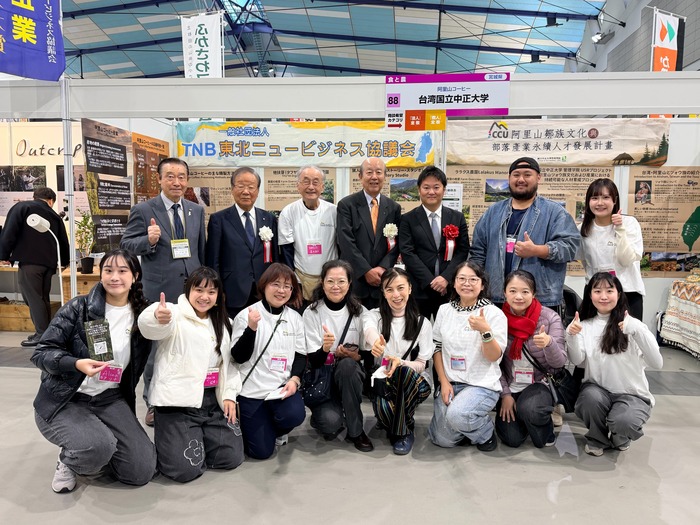
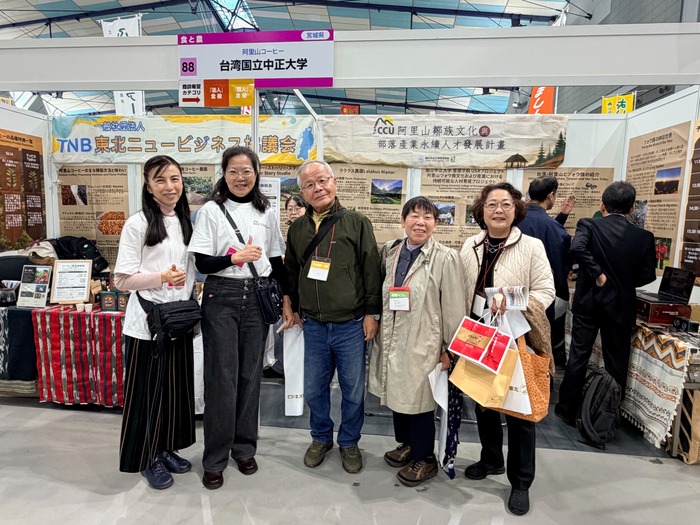
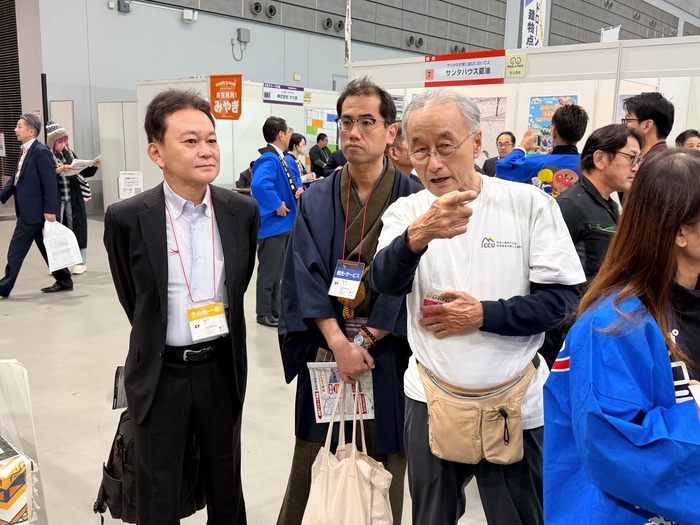
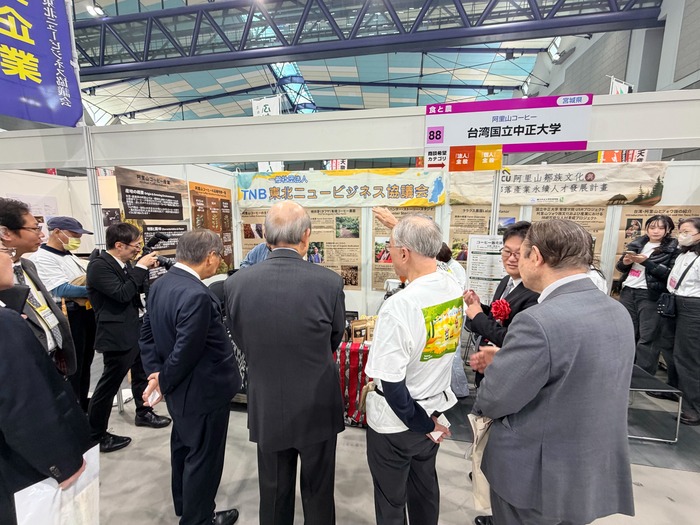
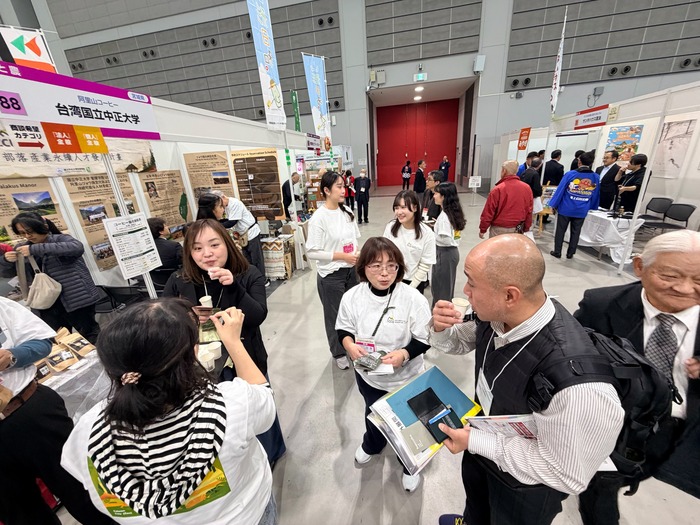
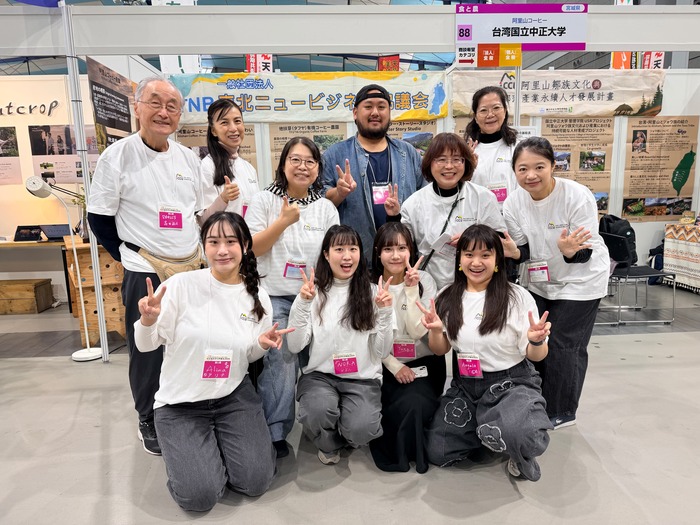
How can university teaching and expertise support the development of Indigenous communities? The College of Management at National Chung Cheng University (CCU) returned to Business Match Tohoku 2026, a trade fair held on November 12, 2026, at Yume Messe Miyagi in Japan’s Miyagi Prefecture. The delegation participated through the College’s University Social Responsibility (USR) initiative, the Alishan Tsou Culture and Indigenous Industry Sustainability Talent Development Project.
The delegation included five faculty members—Toshifumi Takada, Yoko Suga, Wen-Fen Yang, Pei-Yi Yu, and Hui-Chen Fang—along with Alishan coffee grower Chen-Sung Pu and three USR Ambassadors. Through coffee tastings, cultural presentations, and meetings with businesses, the team shared work developed through years of learning alongside Tsou communities and through university coursework. According to the project team, its participation in the fair received coverage from 15 Japanese media outlets, including NHK Sendai.
The project works with Tsou communities in Alishan to help pass on cultural knowledge and communicate the value of products grown or made by small-scale producers. Through community visits, course projects, interviews, and photo and video documentation, faculty and students learned directly from local partners. They then worked together to share local stories with wider audiences, drawing on skills in marketing, information organization, and multilingual communication. The trade fair extended that work by giving producers a chance to speak directly with visitors and students a chance to apply what they had learned in a real-world setting.
Bringing Alishan Coffee and Tsou Stories to Tohoku
CCU’s ties with Japan’s Tohoku region grew out of academic and community exchanges led by College of Management Professor Toshifumi Takada. Over the years, he has brought Japanese scholars and visitors to Tsou communities, including Tefuye and Dabang, to learn about their culture and local industries. In 2025, he helped facilitate the signing of a memorandum of understanding (MOU) between CCU and the Tohoku New Business Council. Building on that relationship, the team used two booths at the 2026 fair to expand its cultural and product displays, giving Alishan producers opportunities to learn about new markets and meet potential partners.
The exhibition invited visitors to get to know Alishan through coffee and learn about Tsou culture through the stories of its people. Visitors sampled coffee and discovered products such as honey, rice crackers, and single-serve drip coffee. Posters, videos, and on-site explanations in Chinese, English, and Japanese introduced the producers, the land, and the culture behind the products. Pu, a Tsou coffee grower affiliated with Hunter’s Bookstore in Alishan, introduced his coffee, shared aspects of Tsou culture through song, and heard visitors’ questions and feedback firsthand.
“We usually welcome visitors to our community. This time, we’re taking our coffee to them,” Pu said. “I hope that when people in Japan taste our coffee, they’ll also get to know the people who grow it and the place we call home. Preparing for the fair with faculty and students has been a chance to learn from each other. We shared our experiences from the community, and the students helped us tell those stories in different languages. I’m looking forward to meeting more people and bringing what we learn back home.”
Turning Coursework into Hands-On Learning
The project connects courses such as marketing management with work in Alishan’s Tsou communities. Students learned to understand local concerns, organize information, and decide how to communicate it to different audiences. At a pre-departure workshop, Pu and Chih-Min Wang of Lalaks Forest Honey shared their experiences in cultural work and local industry. Students helped prepare multilingual posters, videos, and a website, and took part in planning how the exhibition would run. In doing so, they considered what visitors needed to know about each product, how to explain cultural practices clearly and respectfully, and how to respond to questions from people with different backgrounds.
Three USR Ambassadors supported the displays, served coffee samples, and introduced Tsou culture at the fair. Yu-Wen Tseng, a USR Ambassador returning after taking part the previous year, said the experience had changed how she talked about coffee.
“Through USR, I learned that if you want to tell the story of a cup of coffee, you need to spend time in the community and listen to the people who grow it,” Tseng said. “Last year, many visitors in Japan stopped for the coffee and learned about the Tsou people for the first time. This year, we’ve drawn on our visits and interviews to create posters, videos, and a trilingual website so people can learn more. What matters most to me is conveying what our community partners want people to understand and bringing visitors’ questions back so we can think together about what to do next.”
Continuing the Conversation After the Fair
Alongside the exhibition, the team met with faculty and students at Aoba Gakuin University and held talks with two companies, U-media and Ogaru, on November 12. The conversations explored potential collaboration in local communications, agricultural business operations, and product promotion. The team aimed to learn what information different markets seek about product origins, which product features draw interest, and how businesses might work with producers, and subsequently discussed possible next steps with community partners in Alishan.
“University Social Responsibility takes sustained work in local communities, where we can understand the issues together and build trust over time,” said Ya-Hui Lien, Dean of the College of Management and the project’s principal investigator. “Our students learn from the cultural knowledge and industry experience of our community partners. As a university, we can draw on teaching, research, and international relationships to respond to local priorities. By taking part in this fair together, growers, faculty, and students can bring back ideas to discuss and develop with our partners, so that student learning and community development support each other.”
The team also created a trilingual website and an inquiry form so businesses and visitors can find information and get in touch after the fair. The site keeps student-created materials available for future outreach, and CCU will integrate the contacts and feedback from Tohoku back into its courses and ongoing work with Tsou communities in Alishan.