

Designing a New Future for Centenarian Life: From Learning to Impact! CCU Partnered with the MOE to Host the 2026 Active Aging Learning Results & Future Action Forum
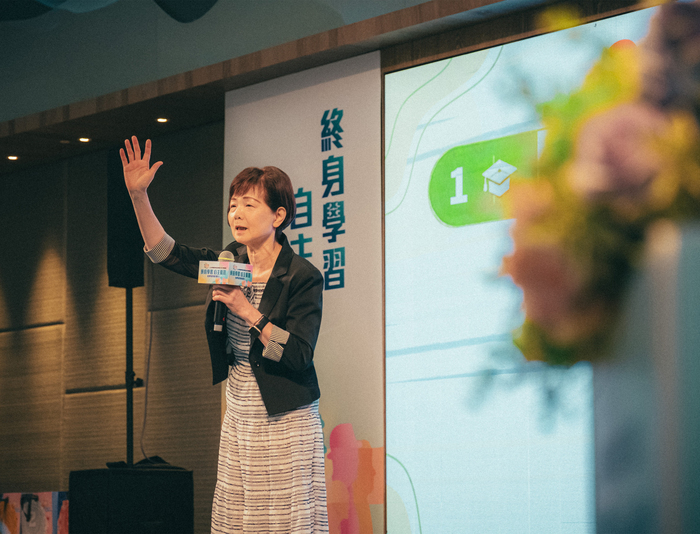
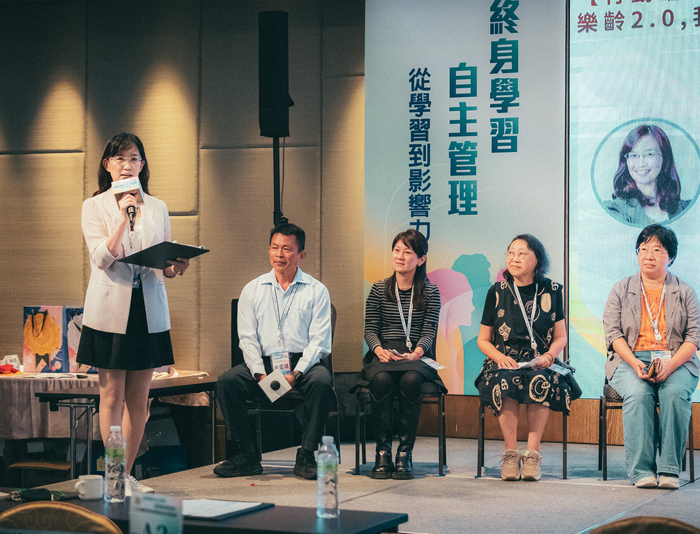
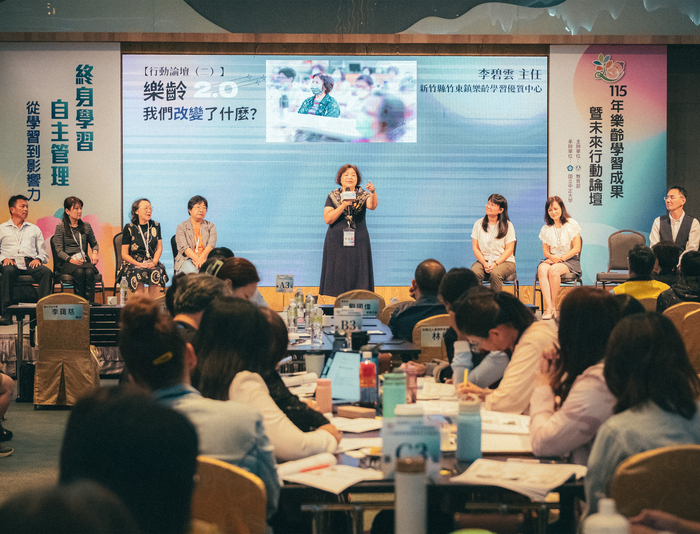
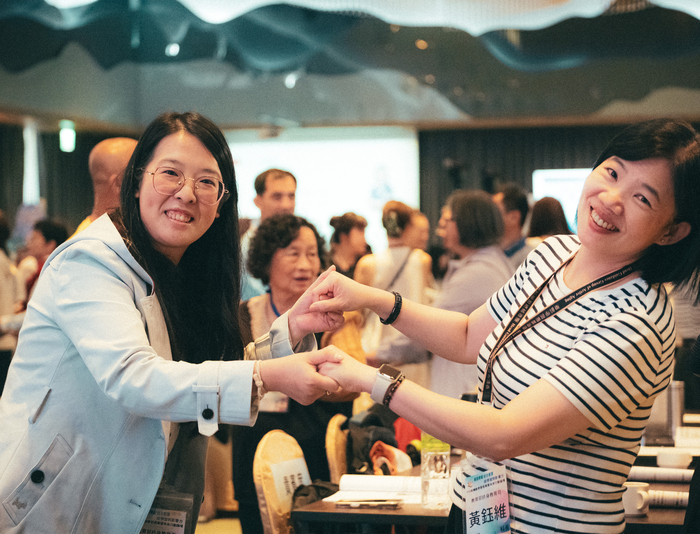
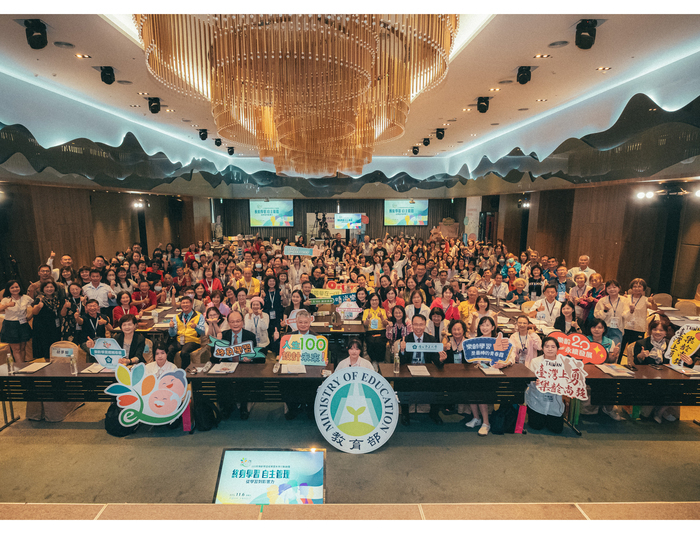
As the centenarian era approached, sustaining the development of active aging education and maximizing its social impact had become pivotal priorities in Taiwan’s super-aged society. Organized by the Ministry of Education (MOE) and hosted by National Chung Cheng University (CCU), the "2026 Active Aging Learning Results & Future Action Forum" was held on November 6, 2026, at the Ever-Glory Hotel Chiayi. Centered on the theme "Lifelong Learning and Self-Management: From Learning to Impact," the forum convened local government representatives, administrative teams from active aging learning centers, and academic experts from across Taiwan. Together, they explored pathways for institutional autonomy and operational transformation, advancing from Active Aging 2.0 toward Active Aging 3.0 to shape a resilient future for Taiwan’s centenarian society.
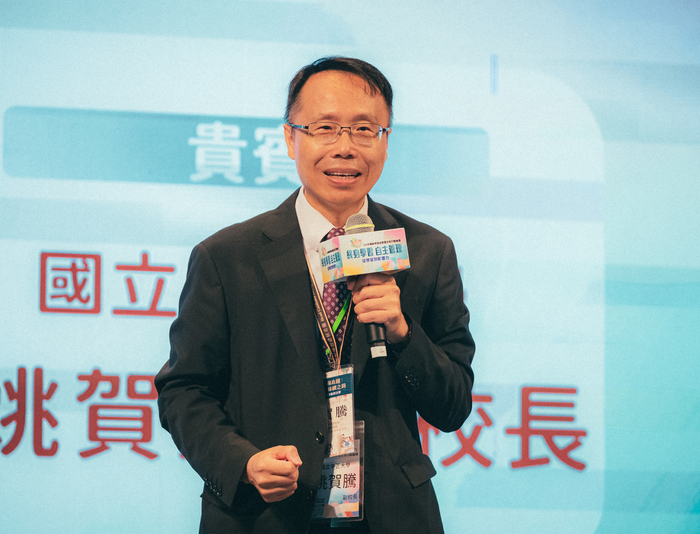
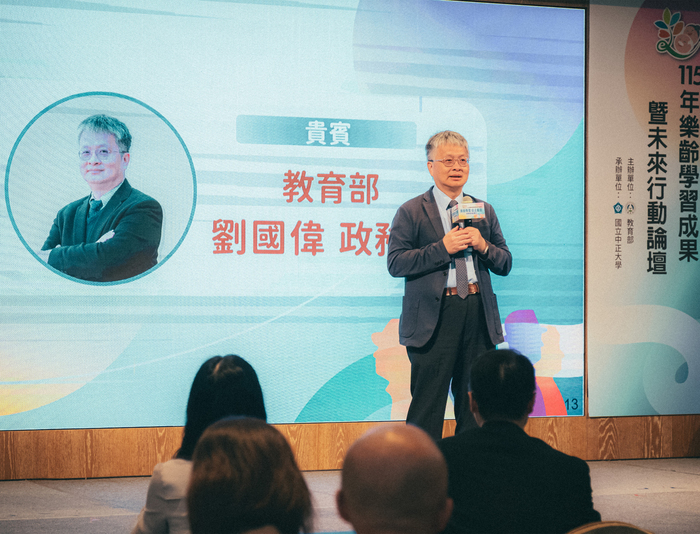
At the opening ceremony, Political Deputy Minister of Education Kuo-Wei Liu commended frontline educators nationwide for their dedication. CCU Vice President Her-Terng Yau welcomed participants on behalf of the university, emphasizing that CCU would continue to leverage its academic capabilities to serve as a solid foundation for the nation’s senior education development. He noted that as active aging education transitioned toward Active Aging 2.0, center operations needed to evolve from passive administration to proactive management—building robust institutional frameworks, preserving enduring values, and shifting from individual experience to team-based collaboration.
The forum was organized by CCU and spearheaded by the MOE Active Aging Learning General Advisory Team, led by Professor Hui-Chuan Wei and Professor Ai-Tzu Li of CCU’s Department of Adult and Continuing Education. In her opening address, Professor Wei highlighted that in the face of a hundred-year lifespan, the essence of senior education lay in letting learning spark change, letting change inspire participation, and enabling older adults to become valuable contributors to society.
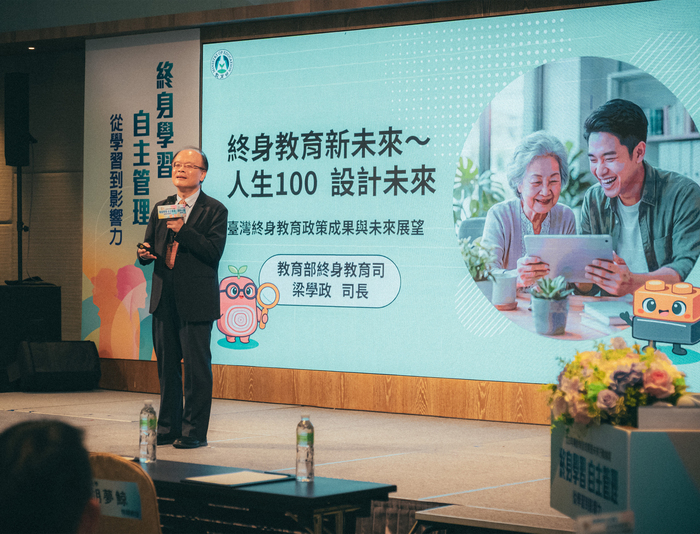
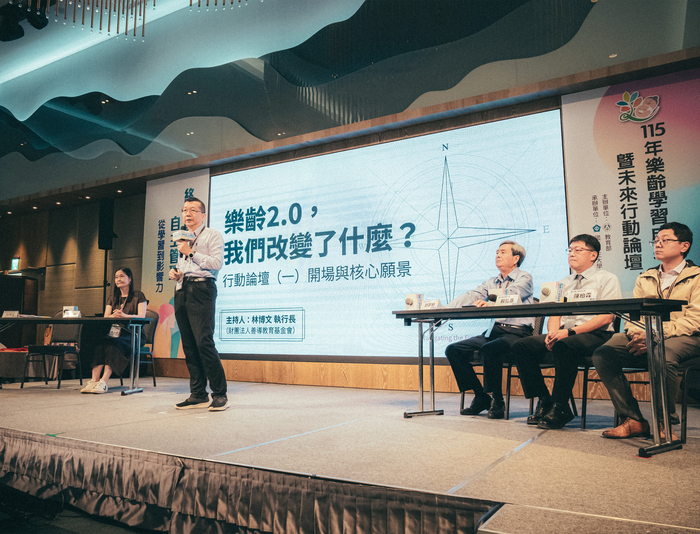
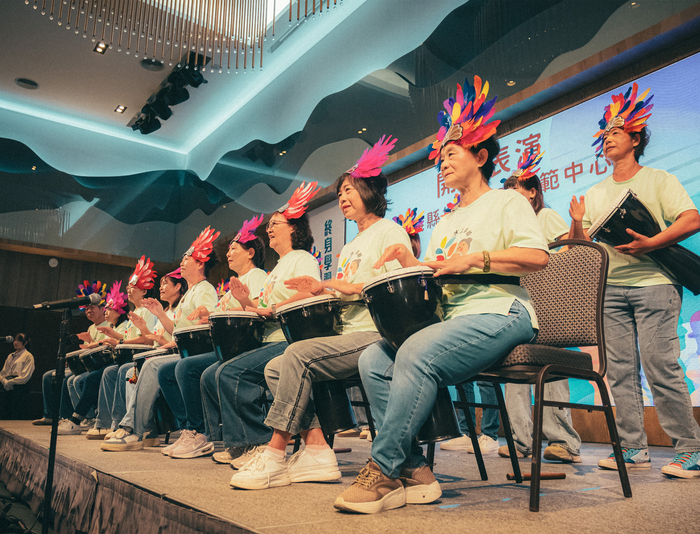
The event opened with a vibrant African drum and dance performance by the Chiayi County Active Aging Learning Demonstration Center, showcasing the confidence and joyful vitality of older adults. In the morning "Vision Forum," Hsueh-Cheng Liang, Director-General of the MOE’s Department of Lifelong Education, delivered a keynote speech titled "A New Future for Lifelong Education: 100 Years of Life, Designing the Future." The two subsequent "Action Forums" brought together grassroots practitioners from across Taiwan to share experiences on meeting local needs and developing community-specific characteristics. Notably, the Fengbin Township Active Aging Learning Center in Hualien County shared its journey of local talent empowerment—moving from "finding instructors" to "cultivating partners." Meanwhile, the Zhongshan District Active Aging Learning Center in Taipei City shared stories of seniors directing their own learning and thriving in late adulthood, illustrating how localized initiatives could generate transformative social impact.
In the afternoon, the "Immersive Classrooms" engaged participants in experiential learning with innovative instructional models. Highlights included senior cross-fitness program designs and the "Silver Rhythm Rhapsody" presented by Keelung City’s NMMST Active Aging Learning Center, which repurposed marine waste into musical instruments, integrating ecological sustainability into pedagogical practice. Another interactive workshop focused on social connectivity, employing self-directed learning mechanisms to facilitate intergenerational storytelling and guiding seniors to establish their own "social capital bankbook." Concurrently, the "Trend Forum," chaired by Professor Jin-Shan Huang and featuring Assistant Professor Hung-Hui Pan, examined "What the World Is Caring About: Loneliness, Social Connections, and New Agendas in an Aging Society," offering international perspectives on loneliness and underscoring social connection as a fundamental health metric.
CCU noted that celebrating the distinct achievements of regional centers and linking them through reciprocal exchanges would continually magnify their positive influence. Looking ahead, CCU pledged to continue anchoring its efforts in rigorous academic research while collaborating closely with the MOE and nationwide partners. Together, they aimed to guide Taiwan’s active aging education from knowledge accumulation toward self-sustaining innovation, steadily advancing toward Active Aging 3.0 and designing a meaningful future for a centenarian society.