

CCU Foreign Languages Department Successfully Hosts the 43rd International Conference on English Teaching and Learning to Explore the Future of English Education
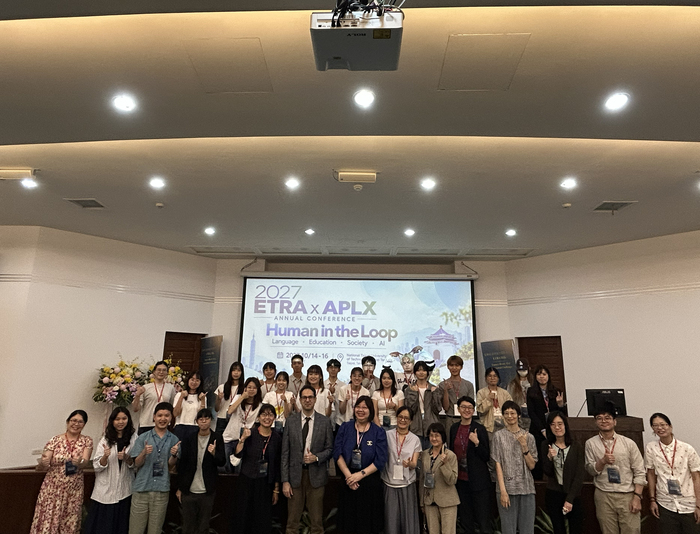
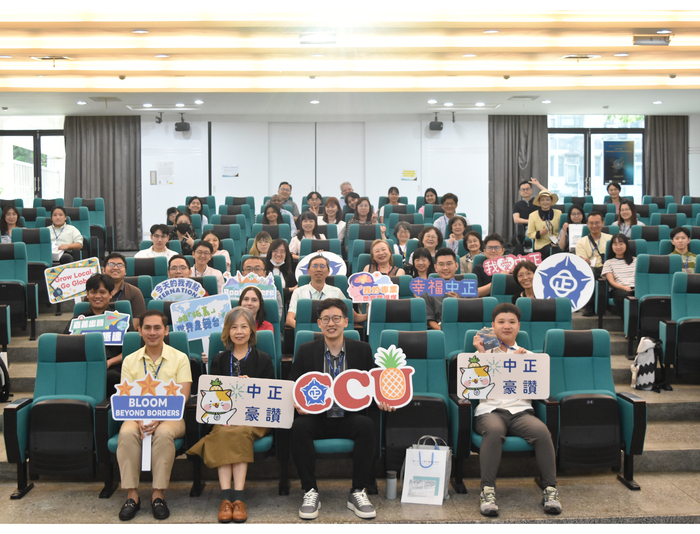
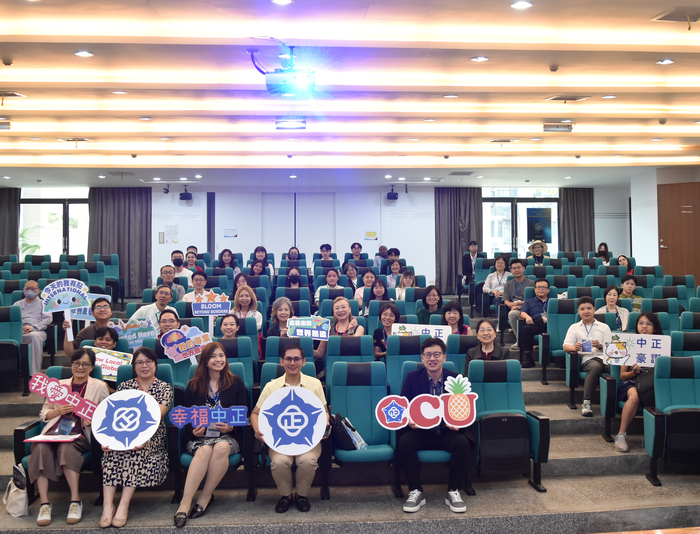
The Department of Foreign Languages and Literature at National Chung Cheng University, together with the English Teaching and Research Association, hosted the 43rd International Conference on English Teaching and Learning (ETRA 2026) on October 16–17, 2026. Under the theme “Future-Ready ELT for Global Challenges,” the conference brought together scholars and teachers in English education from Taiwan and abroad. More than 100 speakers shared their research findings and teaching experiences, discussing the challenges and new approaches in English language teaching amid technological advances and global change.
The conference featured keynote speeches, paper presentations, and panel discussions, encouraging exchanges between research and teaching practice. With a focus on learners, the sessions explored the applications and challenges of integrating emerging technologies, including artificial intelligence (AI), into English language teaching. They also addressed key twenty-first-century skills, such as critical thinking, creative problem-solving, intercultural communication, and digital literacy. Participants discussed ways to connect English learning with everyday life and international issues, helping students deepen their understanding of the world as they develop their language skills.
Each of the four keynote speeches addressed a different topic. Jessie Barrot, Vice President for Research and Development at National University in the Philippines, explained how teachers can give generative AI clear prompts to produce teaching materials and assessments suited to students’ proficiency levels and course needs. Yen-liang Lin, Professor in the Department of English at National Taipei University of Technology, examined the integration of English-medium instruction and English for Specific Purposes, showing how multimodal teaching and collaboration between teachers and AI can support students’ disciplinary literacy and teachers’ professional development. Vahid Aryadoust, Professor in the Department of English Language and Literature at the National Institute of Education, Nanyang Technological University, Singapore, introduced AI systems capable of engaging students in spoken conversations. He discussed their uses in speaking practice, feedback, and assessment, as well as concerns about the accuracy of speech recognition and scoring. Low Ee Ling, President’s Chair Professor at the National Institute of Education, Nanyang Technological University, Singapore, focused on teacher education. She explored how English teachers can respond to technological and social changes by developing interdisciplinary knowledge, cultural understanding, and the ability to use technology while meeting students’ diverse learning needs.
Through presentations and in-depth discussions, the conference offered practical insights into English language teaching and teacher education, as well as ideas for educational institutions planning curricula and introducing changes to teaching. The research findings and practical experiences shared by participants demonstrated how technological innovation can be combined with attention to human needs and values, laying the groundwork for the continued development of English education with a global outlook.