

CCU and NCKU Strengthened USR Collaboration with Guidance from TNUA's Transitional Justice Promotion Center
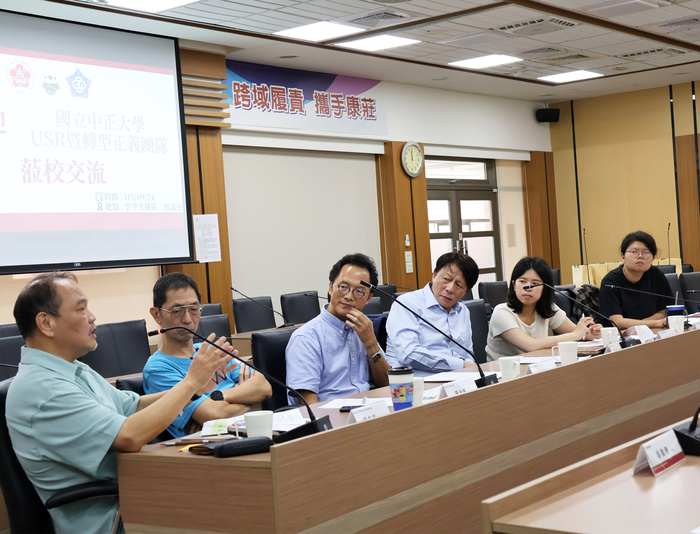
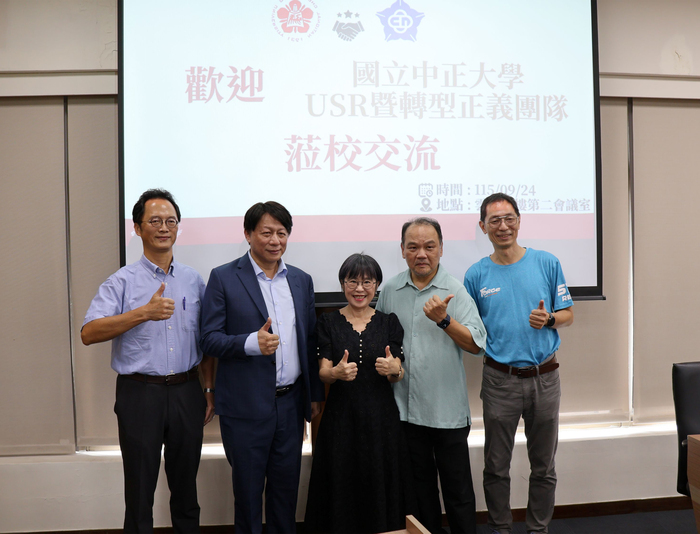
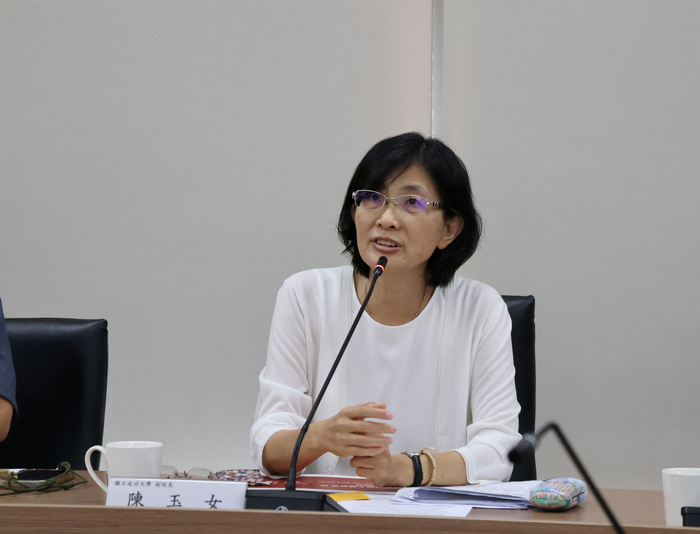
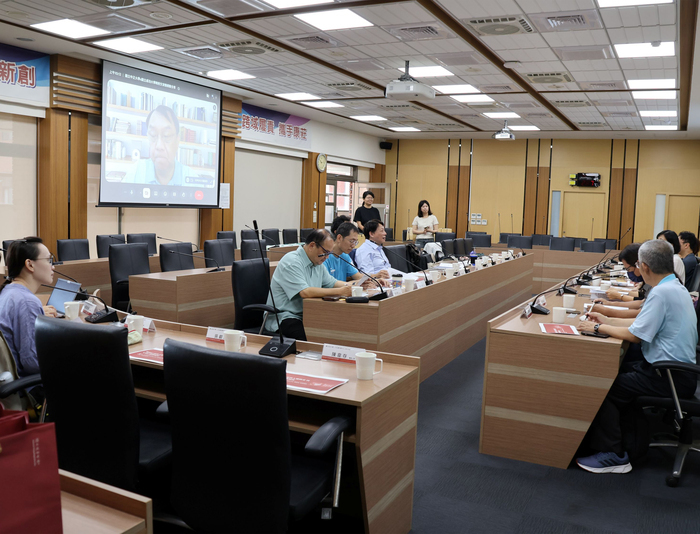
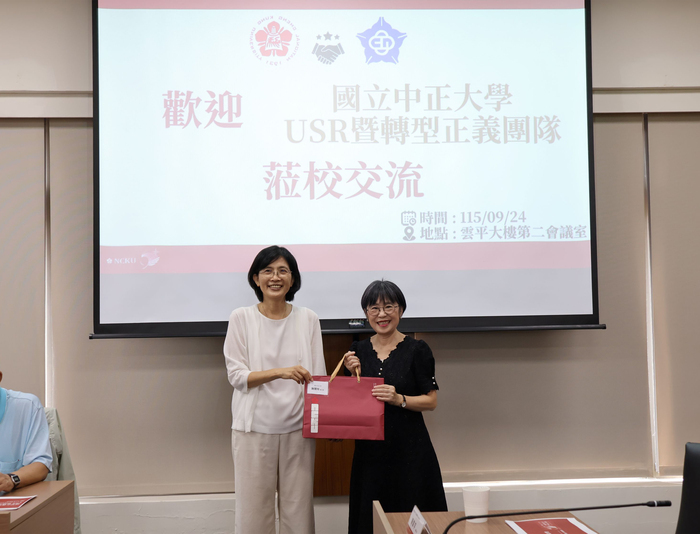
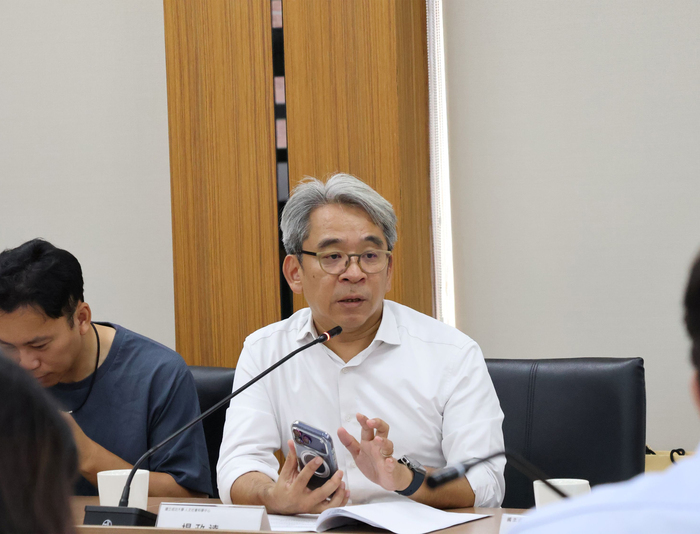
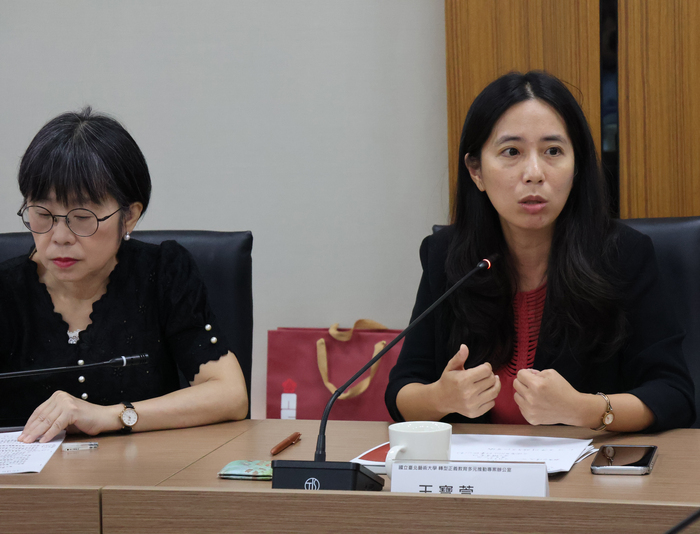
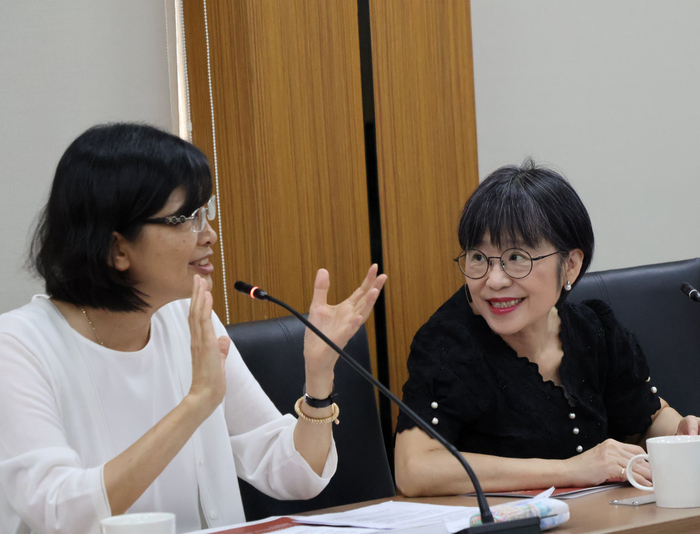
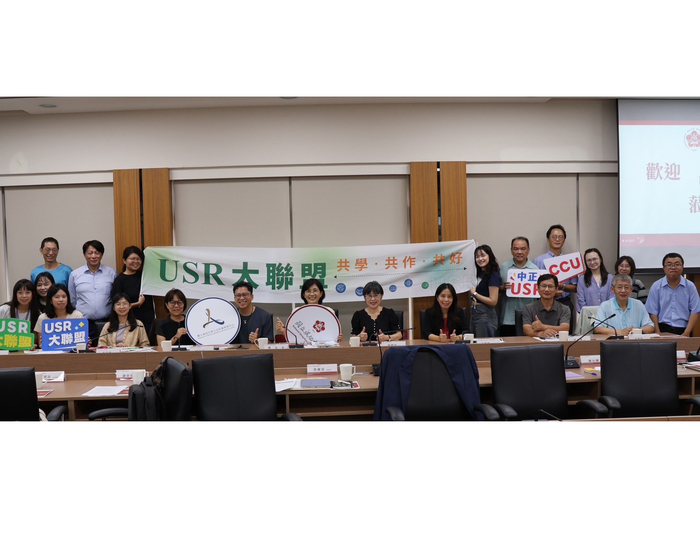
To deepen the practice of University Social Responsibility (USR) and transitional justice education, National Chung Cheng University (CCU) visited National Cheng Kung University (NCKU) on September 24, 2026, for a cross-university exchange and experience-sharing event. The CCU delegation was led by Huey-Ling Shee, Vice Dean of Student Affairs and Executive Director of the CCU USR Office and Transitional Justice Office. The delegation engaged in discussions with a team led by NCKU Vice President Yu-Nu Chen on the promotion of transitional justice education and USR initiatives. The event also invited the Transitional Justice Education Diversified Promotion Project Office of Taipei National University of the Arts (TNUA) to participate, providing experience, guidance, and perspectives on transitional justice promotion. CCU Vice President Shin-Yuan Hung, who was unable to attend in person due to another international conference that morning, delivered opening remarks online and expressed his appreciation to NCKU and all participating teams for the opportunity to exchange and collaborate.
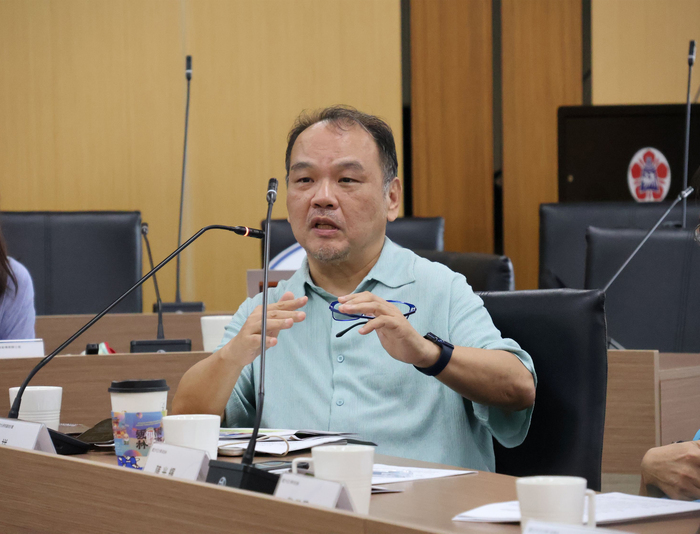
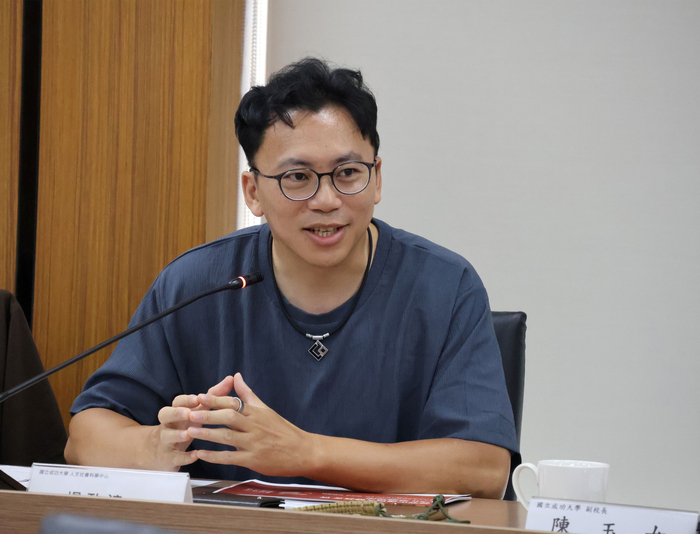
During the exchange, NCKU introduced its initiatives and achievements in promoting transitional justice and USR. Cheng-Ta Yang, Director of the Center for Humanities and Social Sciences and Executive Director of the NCKU USR Hub, presented the university's practical experiences, while I-Chieh Chen, representative of the "Twenty Years of Standing Tall" project, shared the project's implementation experiences and outcomes. CCU also presented its current efforts in promoting transitional justice education. The TNUA team, representing the Transitional Justice Promotion Center, contributed its experience and recommendations, facilitating discussions on transitional justice education, cross-unit collaboration, and university social engagement. The exchange fostered dialogue and connections between policy promotion and practical implementation across universities.
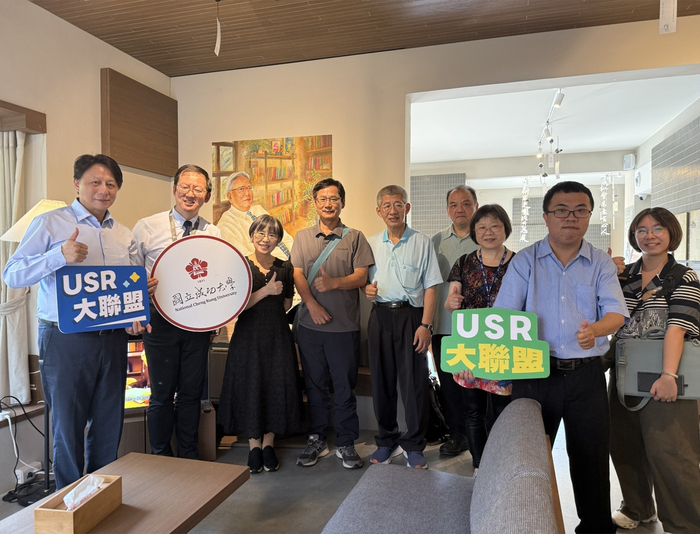
In the afternoon, the participants further extended the exchange into local field-based practice. They visited the former residence of De-Chang Tang and explored the special exhibition "Chi Chien and the Farmers' Association," gaining a deeper understanding of Taiwan's democratic development, human rights, and social history through local historical figures and experiences. The group then visited the former residence of Dean Kun-Yen Huang, a site of NCKU's USR "Bubble Dragon Project," to learn how the university integrates local communities, cultural preservation, and social engagement through field-based practice.
The exchange extended from the policy experience and guidance of the Promotion Center to first-hand university practices and, subsequently, to local field-based exploration, connecting different dimensions of transitional justice education and USR. Through this exchange, CCU and NCKU deepened the sharing of experiences in teaching, research, administrative implementation, and social engagement. With the exchange and guidance provided by the TNUA Transitional Justice Promotion Center, the universities further explored possibilities for connecting transitional justice education with University Social Responsibility. Looking ahead, CCU will continue to promote cross-university, cross-disciplinary, and local partnership collaboration, strengthen the connection between transitional justice education and USR, and explore diverse possibilities for university engagement with society.