

CCU Attended Opening of "Shared Footnotes: Learning Through the 228 Incident" Exhibition at KdMoFA: Co-exhibiting Results and Gaining Insights into Interdisciplinary Historical Interpretation
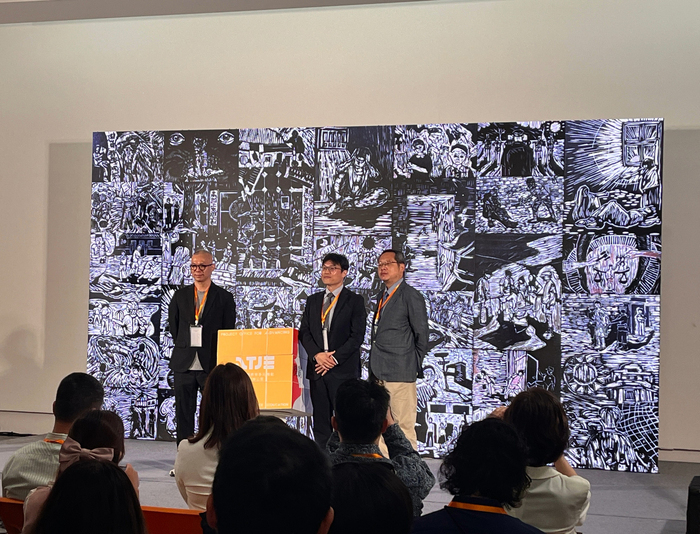
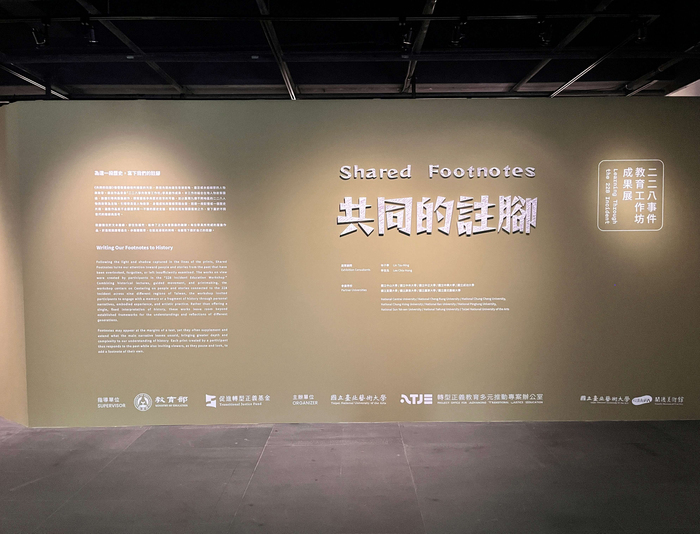
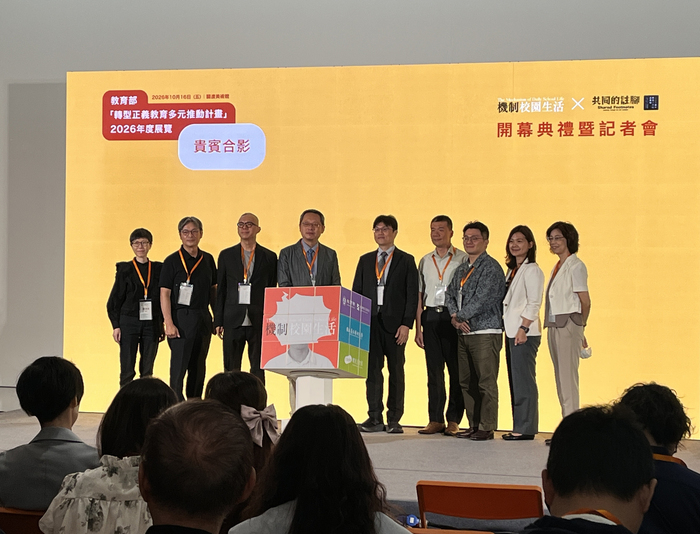
How can contemporary youth understand and respond to a history they never personally experienced? On October 16, a delegation from National Chung Cheng University (CCU) attended the grand opening of the dual exhibition Shared Footnotes: Learning Through the 228 Incident and The Mechanism of Daily School Life at the Kuandu Museum of Fine Arts (KdMoFA), National Taipei University of the Arts. Guided and hosted by the Ministry of Education and the Promotion of Transitional Justice Fund, the dual exhibition led audiences to reflect on the deep connections between history and contemporary life through historical archives, artistic creations, and interactive experiences.
The opening ceremony was attended by many distinguished guests, including Administrative Deputy Minister of Education Chun-Chang Chu, President of National Taipei University of the Arts Hsi-Chuan Liu, Director of Kuandu Museum of Fine Arts Meng-Hung Su, and faculty members from partner schools of the Transitional Justice Education Platform. In his remarks, Deputy Minister Chu stated that the exhibition used artistic interpretation to convey Taiwan’s history in a more accessible way, with transitional justice serving as a key entry point for the public to understand the meaning of democracy. He also expressed hope that through the Ministry of Education's Transitional Justice Education Platform Project, democratic awareness would take deep root in the next generation.
The CCU Office of University Social Responsibility (USR) Transitional Justice Education Platform noted that participating in this event allowed the team not only to learn interdisciplinary models of historical interpretation, but also to translate the practical experience from the Project Office’s workshops and exhibition into a solid foundation for developing local transitional justice educational modules and curriculum frameworks in the future. This initiative aimed to foster ongoing dialogue, understanding, and connection between the campus and local communities on related issues.
The Ministry of Education’s Project Office for Diversified Promotion of Transitional Justice Education stated that the exhibition title, "Shared Footnotes," signified that the goal was neither to reenact nor rewrite history, but rather to open up spaces for multifaceted dialogue and empathy beyond established historical narratives. As participants from diverse backgrounds responded to the same historical event in their unique ways, their works gathered into a shared learning record. The exhibition invited viewers to witness how history—through learning, perception, and creative expression—continued to build meaningful connections with the contemporary era.
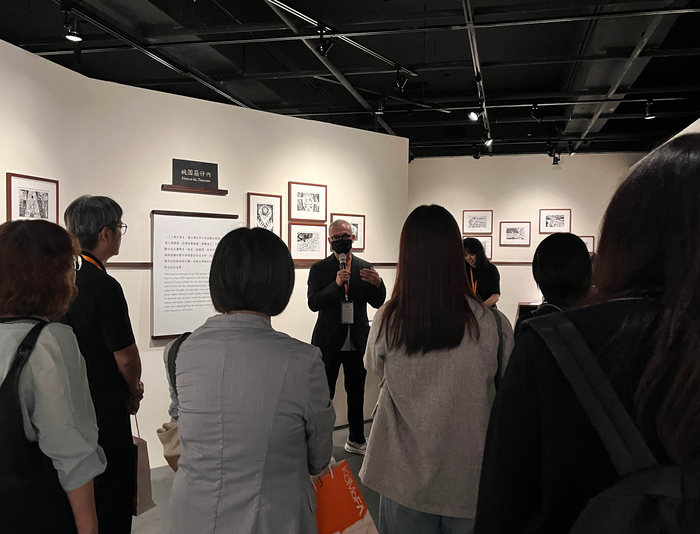
In addition, Meng-Hung Su, Director of the Kuandu Museum of Fine Arts, personally led a guided tour of the exhibition for the attendees. He highlighted that the dual exhibition took the 228 Incident as a core reflective starting point to explore artistic creation as an innovative pathway for historical education and transitional justice. Among the showcases, Shared Footnotes: Learning Through the 228 Incident served as an extended exhibition of the "2026 Local 228 Lectures and Movement-Printmaking Workshops" nationwide tour launched in September by the Project Office. Grounded in interdisciplinary education, it combined historical narrative, physical movement guidance, and printmaking to explore the possibilities of art in history education.
Starting from personal stories and local histories across Taiwan during the 228 Incident, the exhibition brought together works created by students from nine partner universities in the transitional justice education network: National Chung Cheng University, National Sun Yat-sen University, National Central University, National Chung Hsing University, National Cheng Kung University, National Yilan University, National Pingtung University, National Taitung University, and National Taipei University of the Arts. Placed side by side in the gallery, these creative responses reflected how youth from different backgrounds interpreted and resonated with the same historical period, allowing diverse local historical experiences and perspectives to converge.
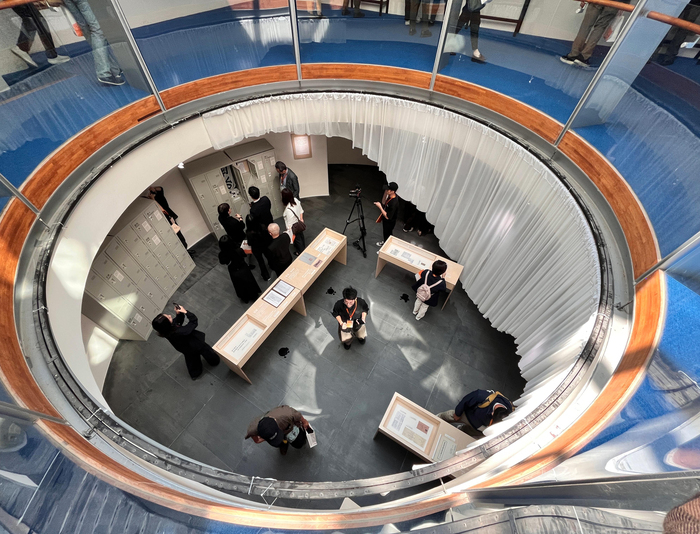
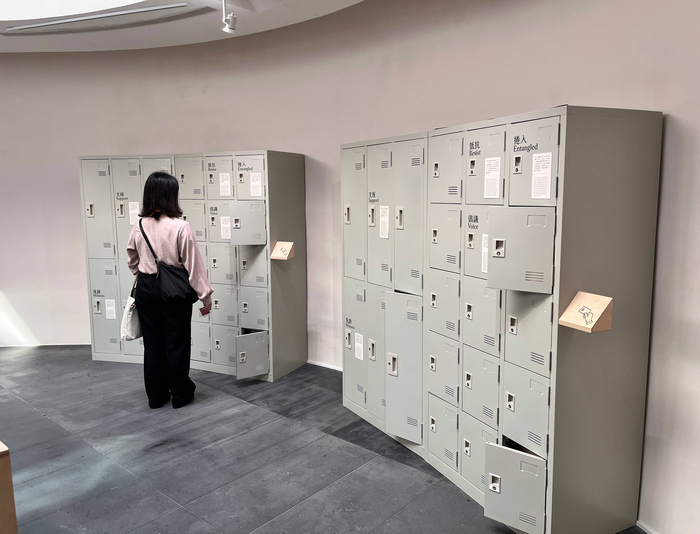
Concurrently featured, The Mechanism of Daily School Life took campus-related historical archives from the 228 Incident as its point of departure. Beyond examining the actions and experiences of young students during the event, it delved into campus life to examine how institutional systems operated within daily routines. Through historical documents, physical artifacts, and participatory experiences—viewed through five lenses: "Advocacy, Resistance, Support, Involvement, and Witnessing"—the exhibition prompted audiences to reflect on the relationship between institutional mechanics and individual choices.
Shared Footnotes: Learning Through the 228 Incident and The Mechanism of Daily School Life are on view at the Kuandu Museum of Fine Arts from October 16, 2026, through January 10, 2027. For more information, please visit the official exhibition website.