

2026 Taiwan Women’s Studies Conference Convened in Chiayi, Bringing Generations and Disciplines Together to Explore Gender Issues
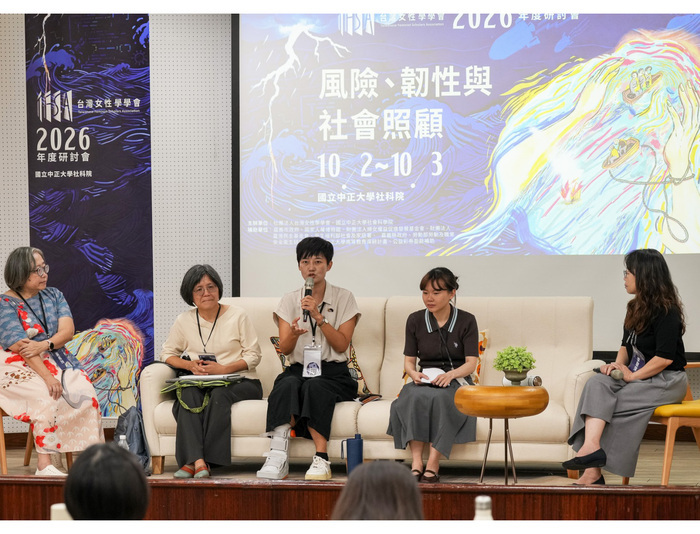
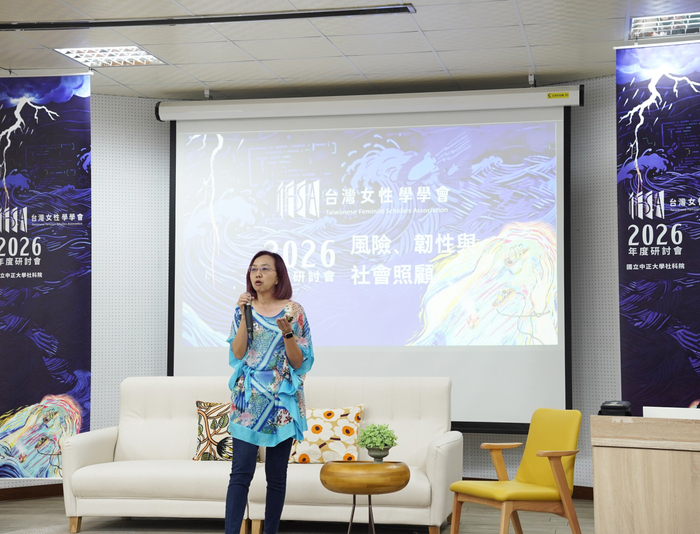
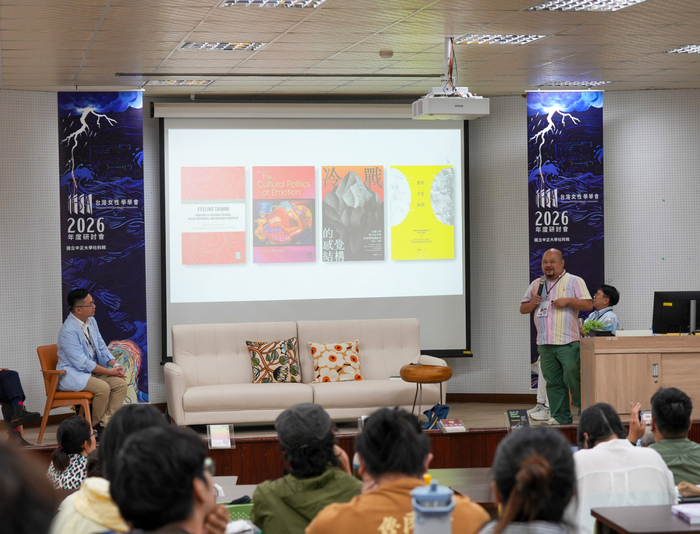
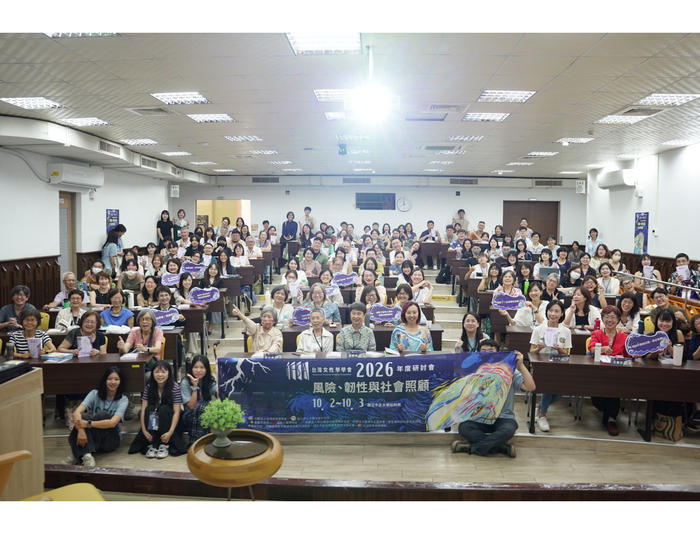
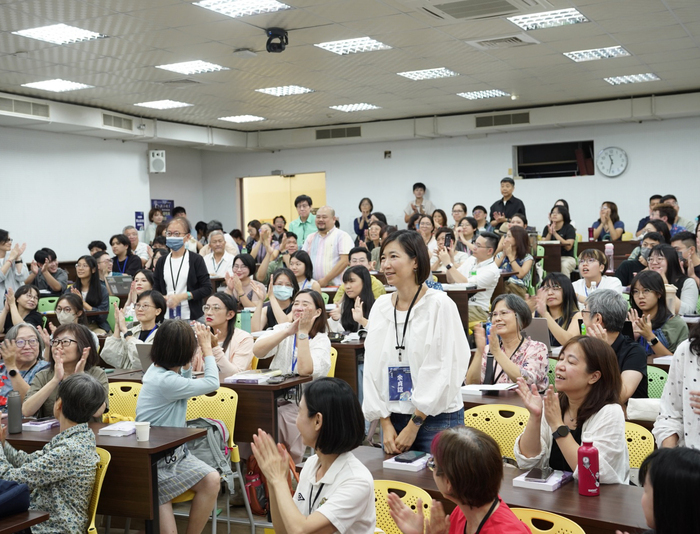
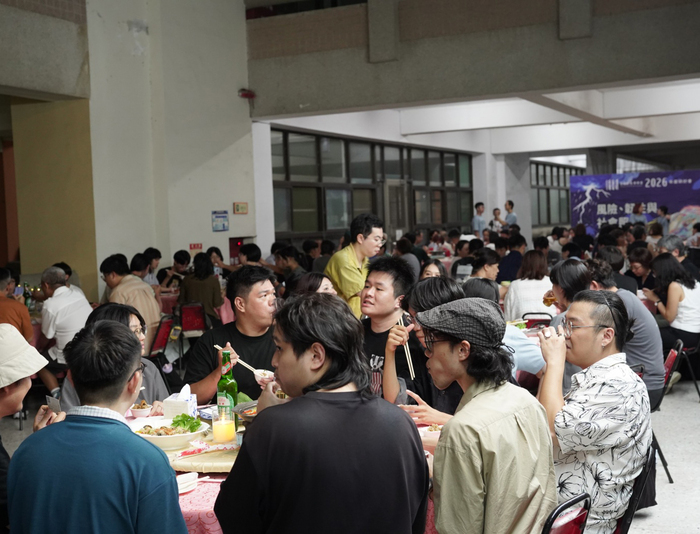
The 2026 Taiwan Women’s Studies Conference was held at National Chung Cheng University from October 2 to 3 under the theme “Risk, Resilience, and Social Care.” The two-day conference attracted more than 500 participants and featured over 80 research presentations, panels, and forums. Scholars, students, and practitioners from different generations gathered to examine contemporary gender issues in Taiwan through diverse disciplinary perspectives and practical experiences.
Shu-Yun Wang, convener of this year’s conference and President of the 33rd Board of the Taiwan Women’s Studies Association, said that the Association’s annual conference provided an important space for gender researchers to meet, exchange ideas, and build connections. It enabled researchers from different generations to engage with one another while allowing the latest research findings to circulate and generate further dialogue within the academic community.
A 33-Year-Old Academic Community Welcomed a New Generation of Researchers
For the first time, this year’s conference introduced a special “Emerging Scholars Session,” inviting undergraduate and graduate students as well as early-career researchers interested in gender studies to present their work.
Wang noted that, for an association with a 33-year history, the initiative represented an important new step and reflected the continuing arrival of a new generation of gender researchers.
Over the years, many senior scholars and activists had accumulated extensive experience in research and advocacy, while younger researchers were continuing and reshaping that legacy.
“For an academic community to remain vibrant, it is not enough simply to preserve the research achievements of the past,” Wang said. “What matters just as much is creating opportunities for new researchers to enter the field, make their voices heard, and raise questions that belong to their own generation.”
First-Ever Collaboration with Six Academic Communities Encouraged Cross-Disciplinary Dialogue
Another major feature of this year’s conference was the launch of a new series of “Association-to-Association” roundtable forums in collaboration with six academic communities spanning sociology, disability studies in Taiwan, science and technology studies (STS), law and society, Indigenous social work, and care studies.
Wang explained that many gender-related issues extended beyond the boundaries of any single discipline. Through collaboration among different academic associations, the Taiwan Women’s Studies Association hoped to foster mutual understanding across research traditions while creating new connections between gender studies and broader social issues.
“When we bring different fields into conversation with one another, we begin to see issues that might otherwise remain invisible,” Wang said. “It can also open up new possibilities for research methods and future collaboration.”
Revisiting Taiwan’s Women’s Movement Through the Life Story of Yuan-Chen Lee
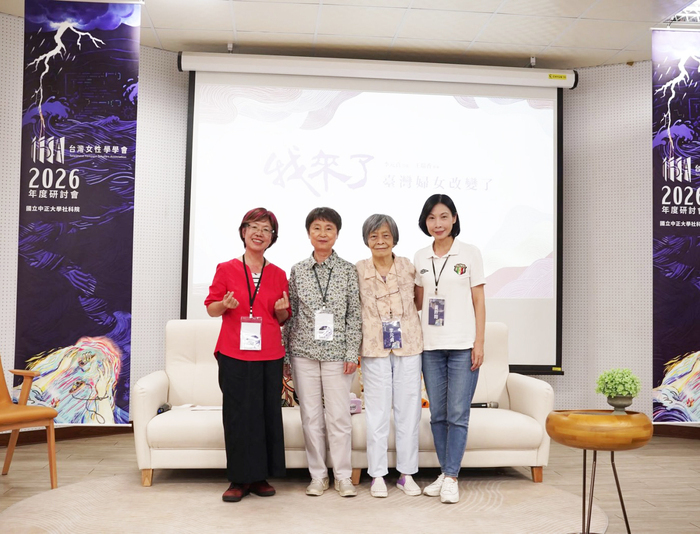
One of the conference’s keynote events, titled I Came, and Taiwan’s Women Changed, revisited the development of Taiwan’s women’s movement through the life story of pioneering feminist Yuan-Chen Lee. The session was moderated by Ling-Hsiang Huang, Deputy Executive Director of the Foundation for Women’s Rights Promotion and Development.
Panelist Mei-Nu Yu emphasized the urgency and importance of preserving women’s own life stories. Historically, she noted, written accounts had often remembered men by their names, titles, and achievements, while women—even those who lived extraordinary lives—were frequently recorded only as “someone’s mother,” “someone’s wife,” or “someone’s daughter.”
Yu said that the significance of the book lay precisely in restoring women as subjects of their own lives and of history.
She added that one reason she particularly valued the book was that it was not simply a conventional biography of a celebrated figure. Rather than focusing only on Lee’s later accomplishments as a pioneer of Taiwan’s women’s movement, the book also portrayed her childhood, family, poverty, love, marriage, struggles, attachments, and regrets.
“Feminism has never been about creating perfect women,” Yu said. “It is about giving every person the right to say, ‘This is my life.’”
When women were able to articulate their own lived experiences, she continued, they were no longer merely people whose stories were written by others; they became the subjects and authors of their own lives and histories.
Pioneers of the Women’s Movement Were Not Monuments, But Those Who Opened the Way
Yu-Hsiu Liu, adjunct professor at National Taiwan University, described Yuan-Chen Lee as an “elder sister” to Taiwan’s women’s movement. Lee’s passion, selflessness, and dedication, she said, offered many younger women a model through which they could recognize the possibilities of feminist activism.
Liu also stressed that revisiting the lives of pioneers should not mean turning them into monuments to be admired from a distance. What mattered instead was understanding how they confronted the challenges of their own time, how they made choices, and how those experiences could prompt the present generation to ask a new question: “What are the issues that our generation must face today?”
From Looking Back to Carrying the Work Forward
Through research presentations, interdisciplinary forums, and intergenerational dialogue, the 2026 Taiwan Women’s Studies Conference demonstrated the diversity and continued development of gender research in Taiwan.
From historical reflections on the women’s movement to contemporary discussions of disability, care, technology, law, Indigenous peoples, and social structures, the conference brought together different generations and research traditions in Chiayi.
For the Taiwan Women’s Studies Association, which had entered its 33rd year, this year’s conference was not only an opportunity to look back, but also a moment to consider how the academic community could continue moving forward—by ensuring that the research and activism of earlier generations were remembered while creating space for new researchers to enter the field with questions rooted in the realities of their own time.
As gender research moved beyond reflecting on paths already taken and continued to respond to the social changes unfolding in the present, this intergenerational dialogue remained very much alive.