

Aging Does Not Mean Stepping Aside: CCU Brought Global Experts Together to Rethink Work and Life in a Longevity Society


Taiwan has officially become a super-aged society, but the implications of demographic change extend far beyond health and long-term care. They are reshaping the labor market, lifelong learning, health and well-being, social participation, and welfare systems. Aging is still too often framed primarily as a burden or a problem, while age-based stereotypes continue to shape people's experiences at work. As lives and careers grow longer and technology transforms the way we work, the challenge is not aging itself, but how societies redesign work, learning, and support across a longer life course.
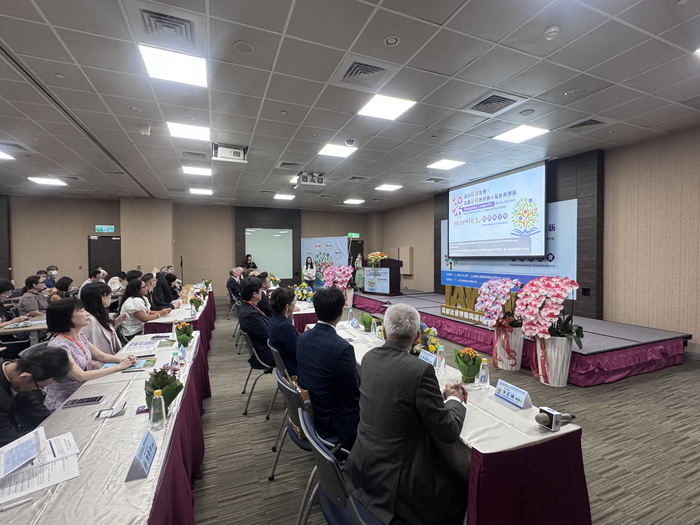
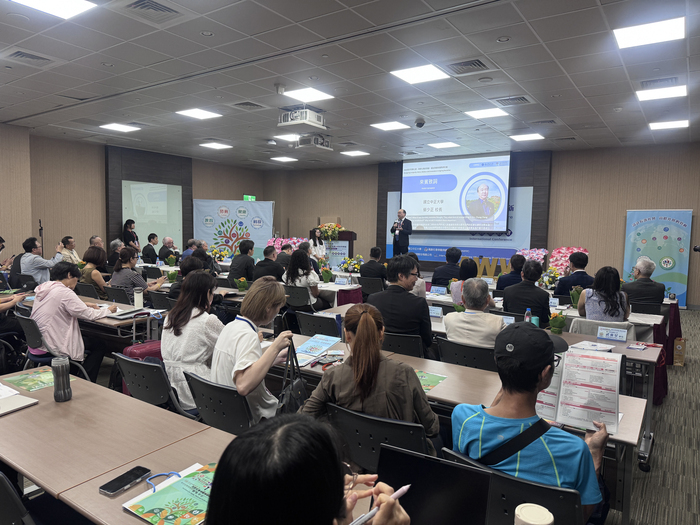
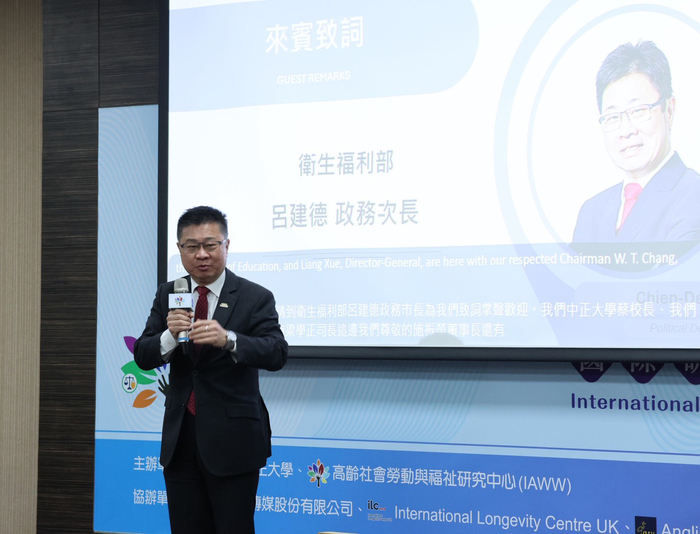
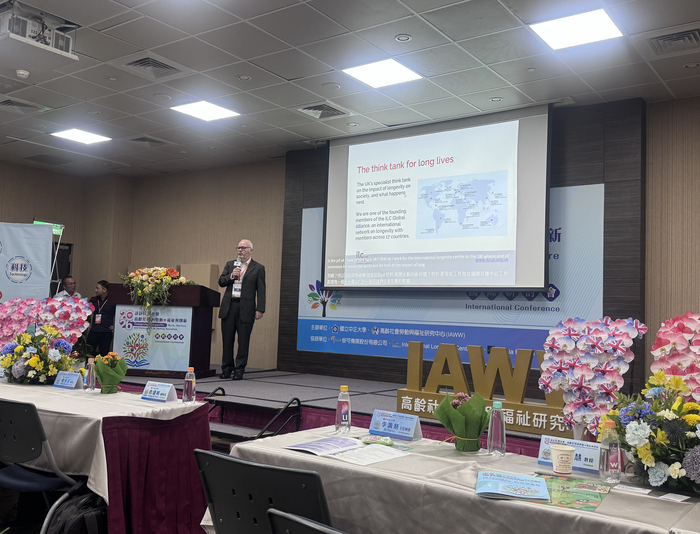
Against this backdrop, the 2026 "Designing Longevity: Work, Welfare and Innovation in Ageing Societies" International Academic Conference opened on October 1 at Taipei Nangang Exhibition Center. Organized by the Institute for Aging, Work and Wellbeing (IAWW) at National Chung Cheng University (CCU), the three-day conference brought together researchers, policymakers, and practitioners to explore how societies can move beyond simply responding to population aging toward actively designing for longevity.
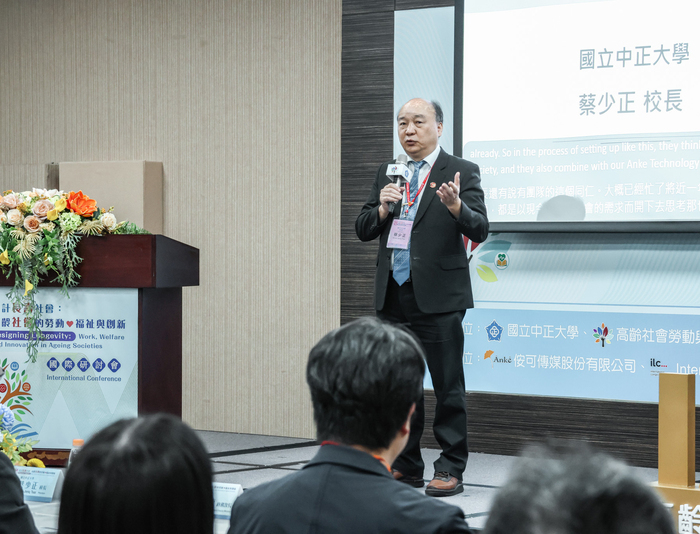
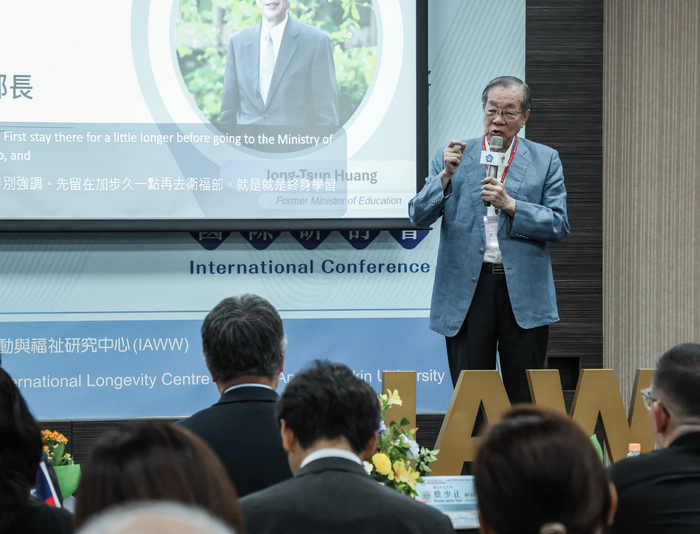
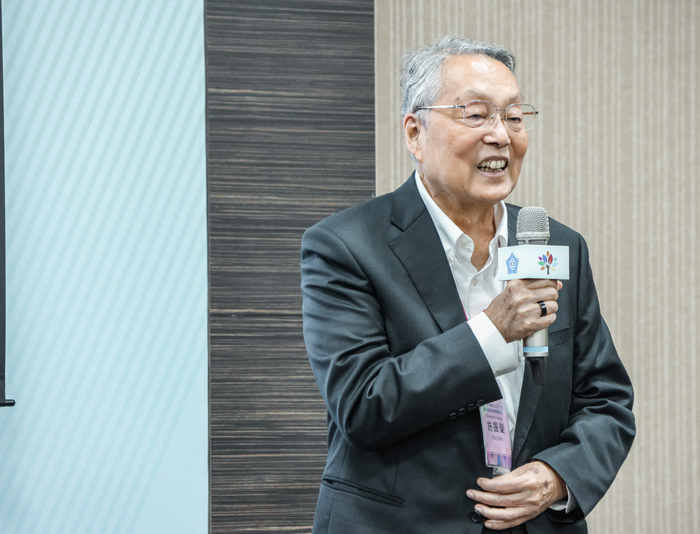
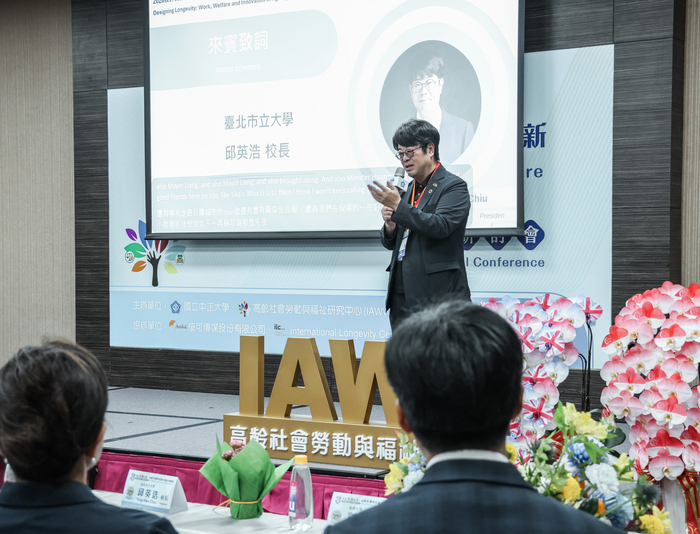
The opening brought together senior representatives from government, higher education, and industry, including Shaw-Jenq Tsai, President of National Chung Cheng University; Kuo-Wei Liu, Political Deputy Minister of Education; Jen-Der Lue, Deputy Minister of Health and Welfare; former Minister of Education Jong-Tsun Huang; and Stan Shih, founder of the Acer Group and Chairman of the Taiwan Innovation Center for Ageing (TICA). University leaders attending included Yin-Hao Chiu, President of the University of Taipei; Dong-Sing Wuu, President of National Chi Nan University; and Ingrid Y. Liu, President of Tzu Chi University.
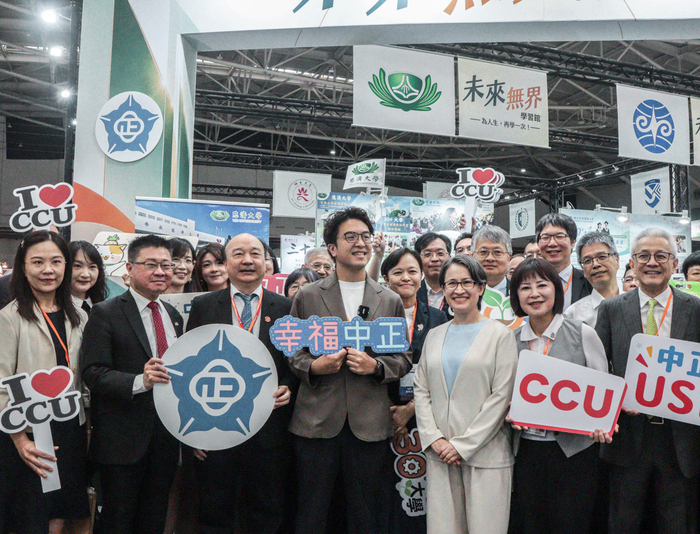
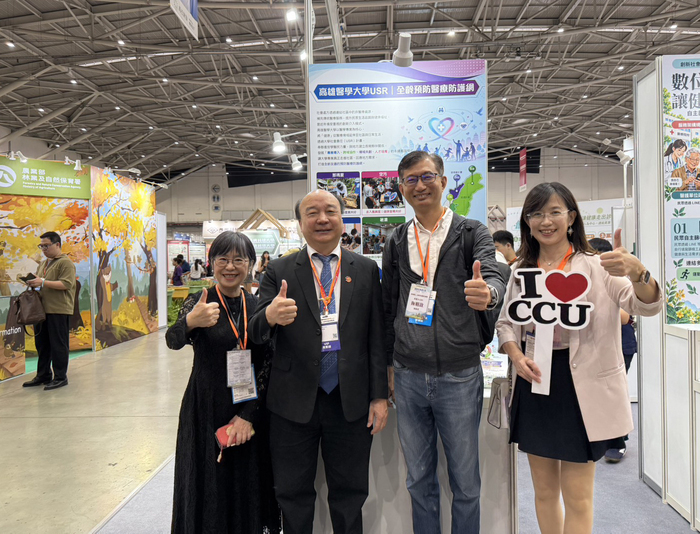
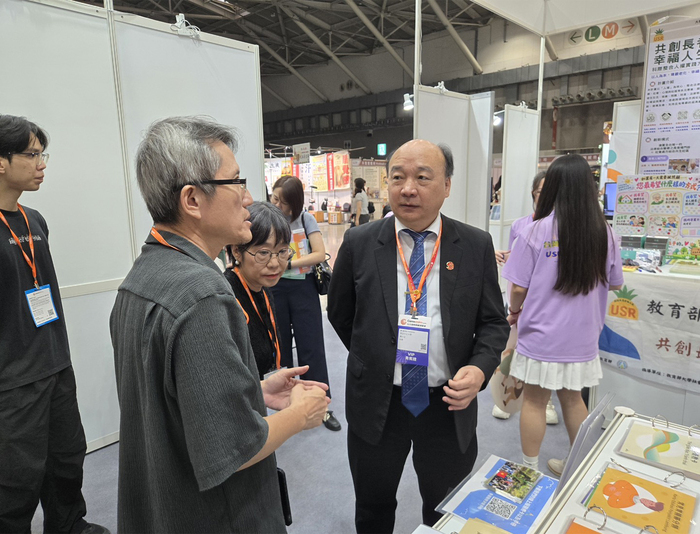
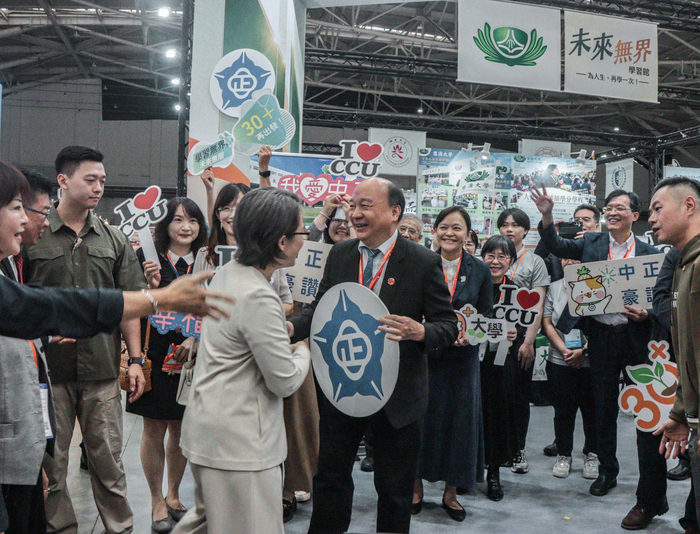
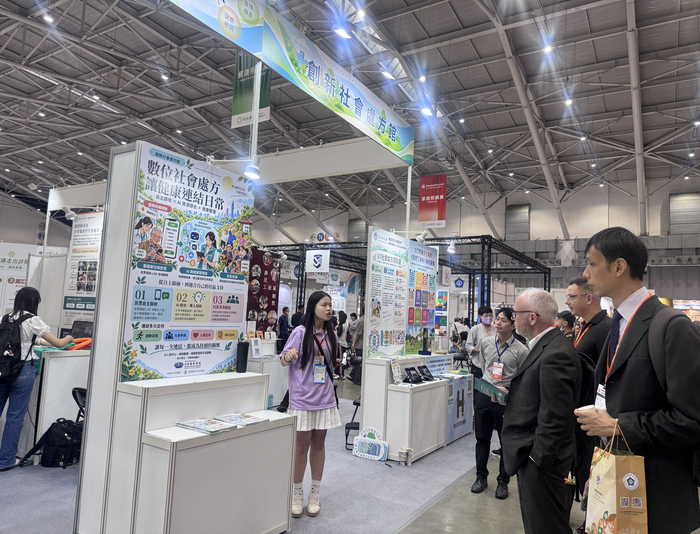
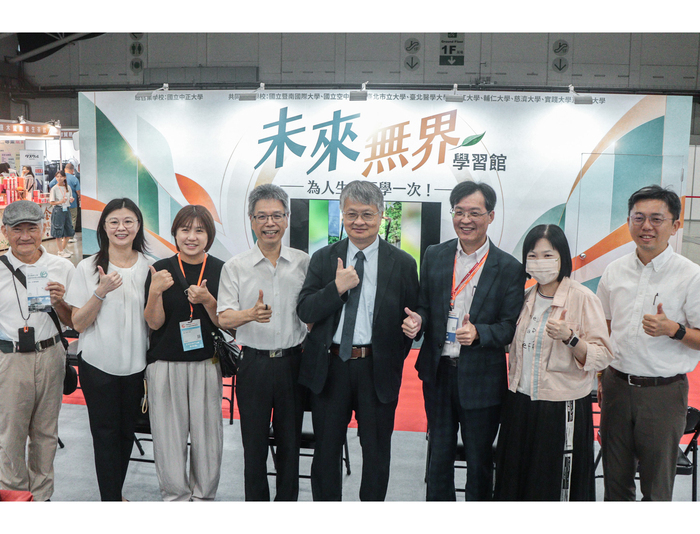
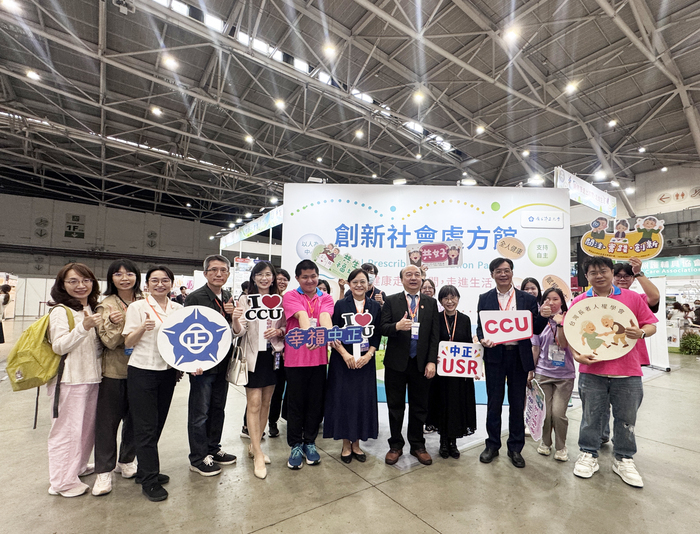
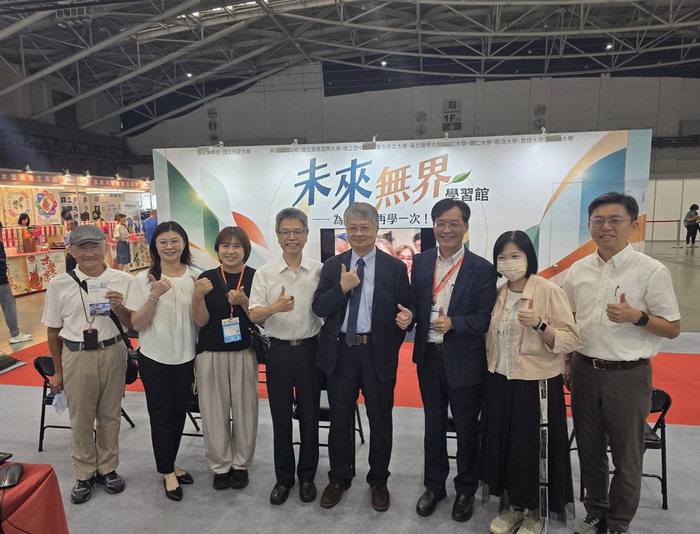
Running alongside the 7th Cares Expo Taipei, the conference extended its discussions into two themed exhibition spaces that translated research and policy into practice. The Future Unlimited Learning Pavilion brought together CCU, ten universities and colleges, and the International Longevity Center UK to explore the role of universities in supporting learning, transition, and personal development at different stages of life, with a particular focus on learning opportunities for people aged 30 and over. During the opening of the expo, Vice President Bi-khim Hsiao also visited the Future Unlimited Learning Pavilion, where she heard from the team about its cross-university and international collaborations and learned more about how universities were putting lifelong learning into practice in a longevity society. The Innovative Social Prescribing Pavilion connected public health and primary care with community resources and social participation. Together, the two spaces approached longevity through two complementary routes: lifelong learning and health and well-being.
Across the three days, academics and practitioners from the UK, Japan, and Singapore examined issues ranging from global aging policy and employability in the AI age to the future workforce in 2050, social connection and healthy aging, social innovation, and population health. International contributors included David Sinclair, Chief Executive of the International Longevity Center UK; Terence Ho Wai Luen of the Institute for Adult Learning at Singapore University of Social Sciences; Professor Lee Smith of Anglia Ruskin University; Hope Scott of the International Longevity Center UK; Professor Keiko Katagiri of Kobe University; Professor Sally Fowler-Davis of Anglia Ruskin University; and Dr. Wei Yang, Reader (Associate Professor) in Health Economics and Policy and Director of the Institute of Gerontology at King’s College London.
Aging has long been a major area of research and engagement at National Chung Cheng University. IAWW's work spans three broad areas — law and welfare policy, education and health support, and industry and economic security — alongside initiatives including the 30+ University, Dignity Agriculture, and international collaboration. The conference built on this work by bringing different disciplines and sectors together to examine how labor, learning, health, and social participation need to evolve as societies live longer.
The conference was also used as a learning environment for university students. Through micro-credit schemes at participating universities, students were able to select talks, forums, and exhibitions according to their interests, engage directly with international researchers and practitioners, and connect academic learning with real-world social challenges.
On October 3, a dedicated morning program focused on social prescribing and the growing international interest in how culture, social relationships, and community participation can contribute to health alongside conventional medical care. Professor Naoki Kondo of Kyoto University and Lee Kheng Hock, Deputy CEO of SingHealth Community Hospitals, brought perspectives from public health, healthcare, and social care, followed by a roundtable connecting public health, primary care, and community practice.
The conference also marked the launch of the Journal of Aging, Work & Wellbeing (JAWW), including a Meet the Editors session designed to strengthen international exchange in research on aging, work, and well-being. Two new books were also launched during the conference, addressing legal issues in later life and the theory and practice of time banking, extending academic research into questions encountered in everyday life.
Through Designing Longevity, National Chung Cheng University aimed to connect research, policy, education, and practice around a central question: how should societies redesign work, learning, health, and participation when longer lives become the norm? Moving beyond the idea of aging as a problem to be solved opened up a different possibility — a society in which people can continue to learn, participate, and contribute at every stage of life.