

Delving into Tainan’s Historical Memory: CCU Visited Four Major Human Rights Landmarks in West Central District to Experience Field-based Teaching and Site Interpretation
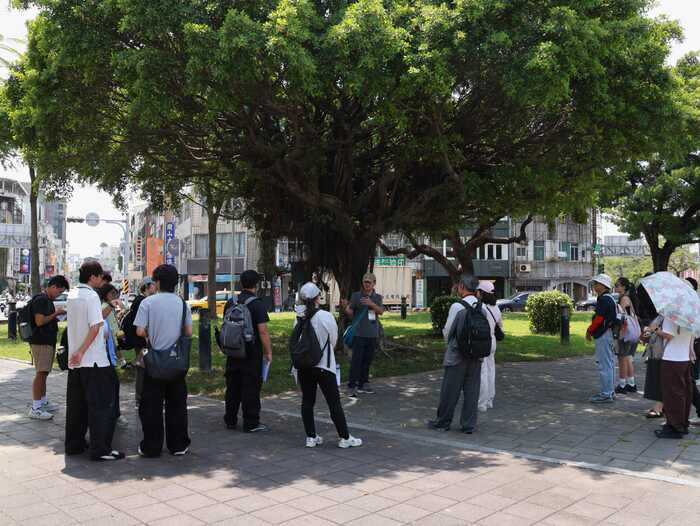
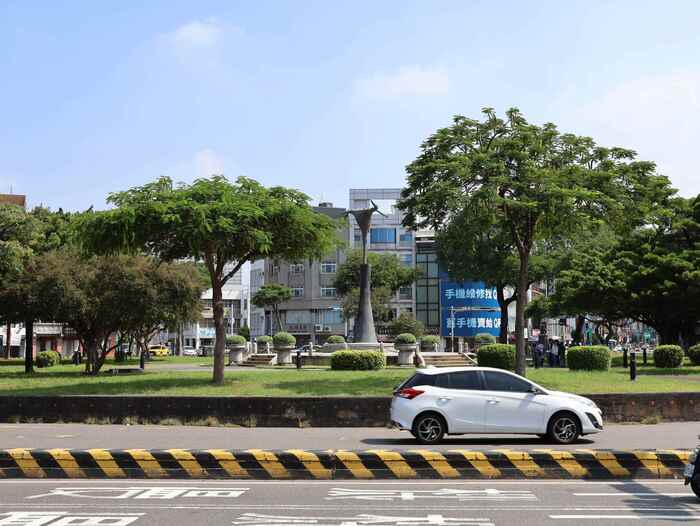
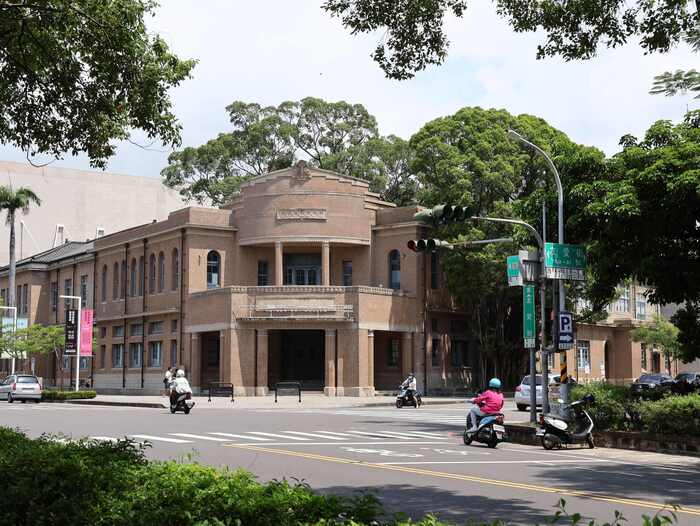
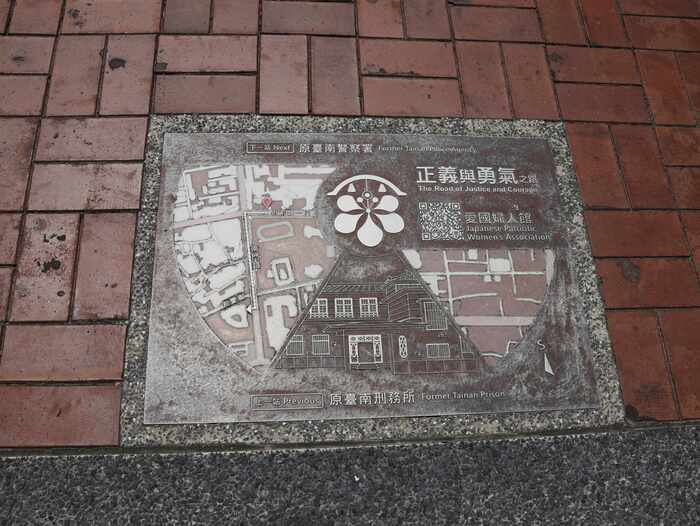
National Chung Cheng University (CCU) continued to advance transitional justice education. On Friday, September 18, the Transitional Justice Education Platform under the USR Office at CCU visited Tainan to participate in the "2026 Walk Tainan" event, guided by the Ministry of Education and hosted by National Cheng Kung University. The delegation conducted in-depth visits to four landmark sites: Tang Te-chou Memorial Park, the Tainan 228 Memorial Museum, the Former Tainan Police Station, and the Former Aikoku Joshi Kai-kan, learning how to translate site interpretation into rich educational resources.
The Transitional Justice Education Platform under the USR Office at CCU stated that the guided walk not only deepened their understanding of Tainan's local human rights history and democratic development, but also highlighted the vital connection between historical sites and contemporary human rights values. The valuable insights gained from field navigation and spatial interpretation served as an essential reference for CCU as it integrated Chiayi's local historical context with campus identity to develop relevant educational initiatives.
The itinerary began at Tang Te-chou Memorial Park, located at a seven-way intersection roundabout. The delegation listened to the story of Attorney Tang Te-chou's life, learned about his efforts to protect students and citizens, and reflected on the site’s key role in commemorating his spirit of defending citizens and pursuing democracy and justice. The second stop took the team to the nearby Tainan 228 Memorial Museum (formerly the Tainan City Council), where historical photographs and artifact displays provided a systematic overview of the 228 Incident's history in Tainan.
The third stop was the Former Tainan Police Station, now Building 1 of the Tainan Art Museum. Having served as a surveillance and detention center for political prisoners in the past, it stood as a critical site for historical education. The final stop featured the Western-style architecture of the Former Aikoku Joshi Kai-kan. Leased to the United States Information Service (USIS) in the post-war era, the building functioned as a major gateway for Southern Taiwan to absorb Western culture, democratic thought, and uncensored information during the Cold War.
Moving forward, the Transitional Justice Education Platform under the USR Office at CCU aimed to continue consolidating local transitional justice and human rights education resources in Chiayi. By developing localized teaching modules, CCU aimed to anchor human rights education in practical experience, guiding students to deepen their understanding of and engagement with historical context.