

From Digital Twins to Edge-AI Drones: Advancing Smart Disaster Resilience
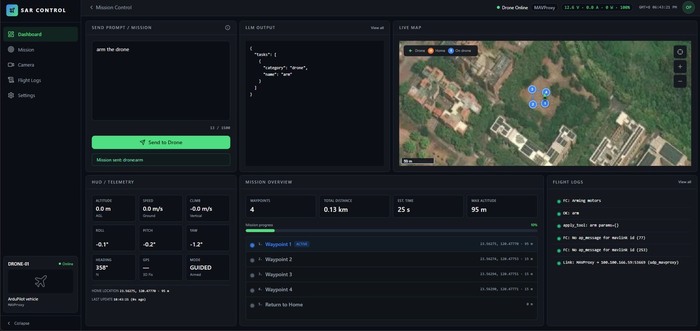
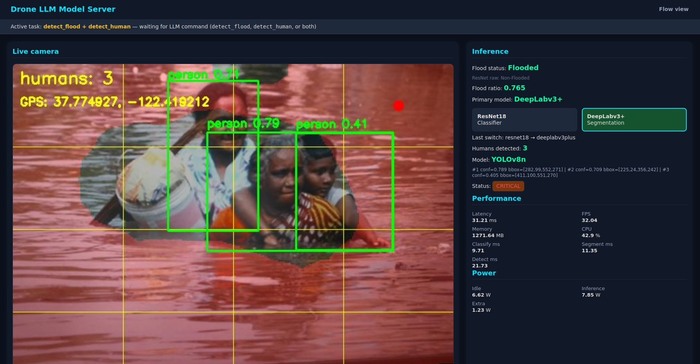
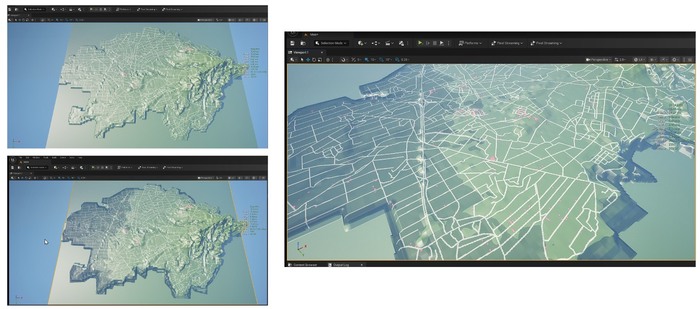
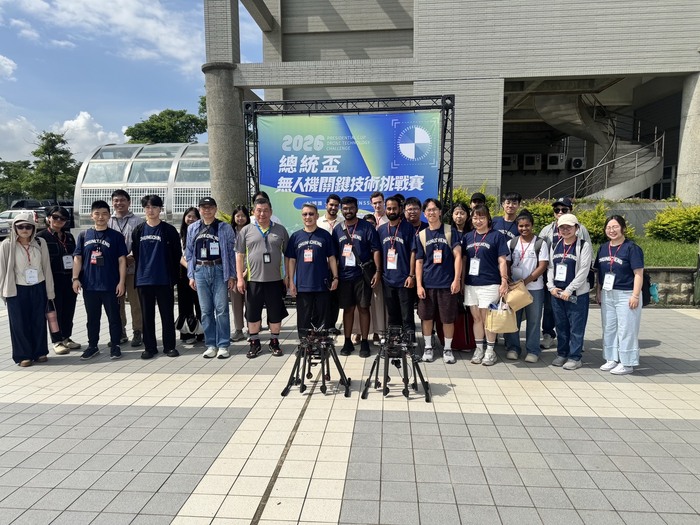
As climate risks intensified, cities needed faster, more reliable ways to anticipate floods, understand evolving conditions, and support timely decision-making.
An interdisciplinary team at National Chung Cheng University (CCU), led by Pao-Ann Hsiung, Dean of the College of Engineering, developed an integrated smart disaster-resilience framework combining hydraulic simulation, digital twins, edge computing, AI, UAV sensing, and intelligent decision support.
A core element of the research was the creation of a data-driven digital representation of Minxiong, Chiayi, which integrated terrain, road, building, rainfall, water level, and flood-depth data into a unified 20-meter grid. Physics-informed AI models accelerated flood estimations, while a 3D digital-twin environment transformed complex simulation outputs into actionable scenarios for risk assessment, flood visualization, and evacuation planning.
Another key component was the edge-AI UAV platform. By integrating onboard language-model task interpretation, flight control, and computer vision, drones supported human detection, flood recognition, geolocation, and rapid situational reporting. These observations were seamlessly integrated into decision-support tools to evaluate safer evacuation routes, road accessibility, shelter options, and resource allocation priorities.
Furthermore, the framework emphasized explainability and traceability. Decision-support outputs were structured to retain the clear reasoning behind recommended routes, risk assessments, and resource distributions, making AI-assisted disaster management more transparent and accountable.
The initiative expanded internationally through partnerships across the United States, Europe, India, and Indonesia. By testing and refining the framework under diverse climate conditions and urban landscapes, CCU aimed to contribute Taiwan’s empirical research to global advances in climate resilience, smart-city governance, and disaster-response technology.
Through international collaboration and cross-regional validation, this research provided practical solutions to global climate resilience and disaster management challenges. Innovation mattered most when research generated public value—strengthening urban resilience, supporting safer communities, and translating academic expertise into meaningful social responsibility.