

Happy teachers make happy students. National Chung Cheng University's 'Future Stars Learning Camp' accompanies young teachers on their path to academic success.
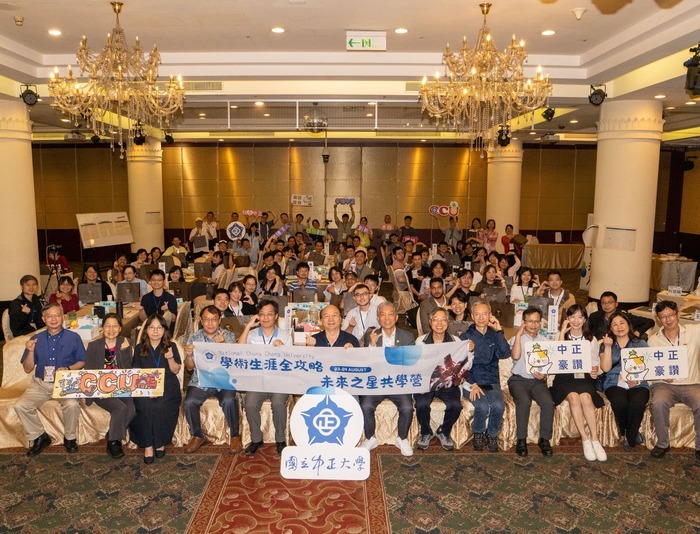
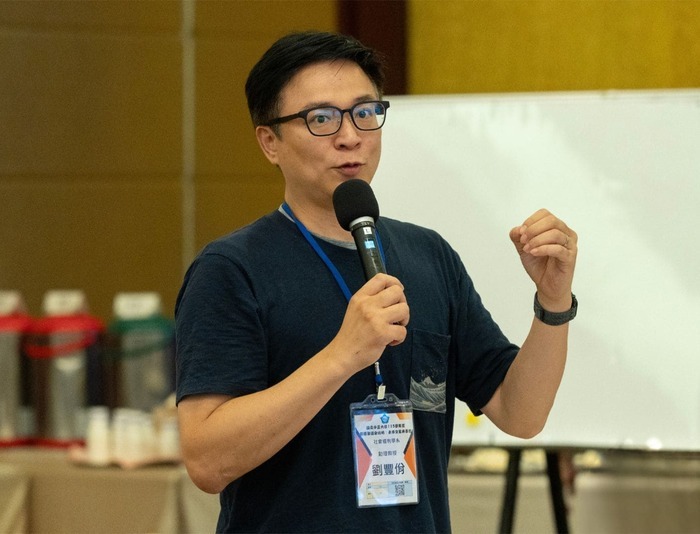
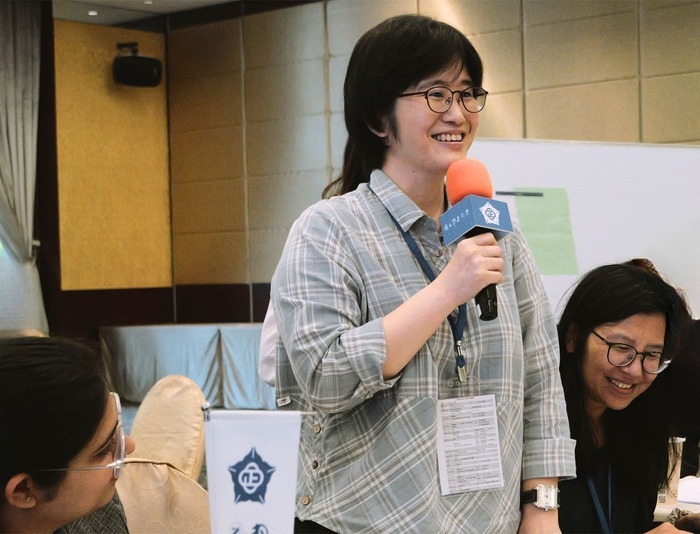
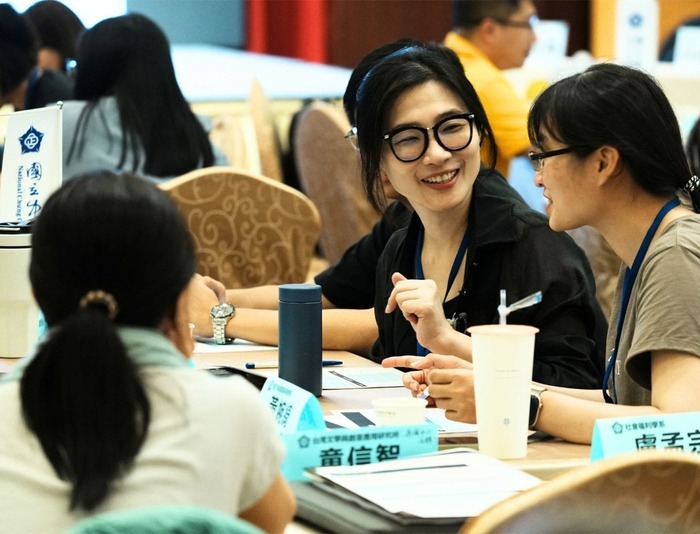
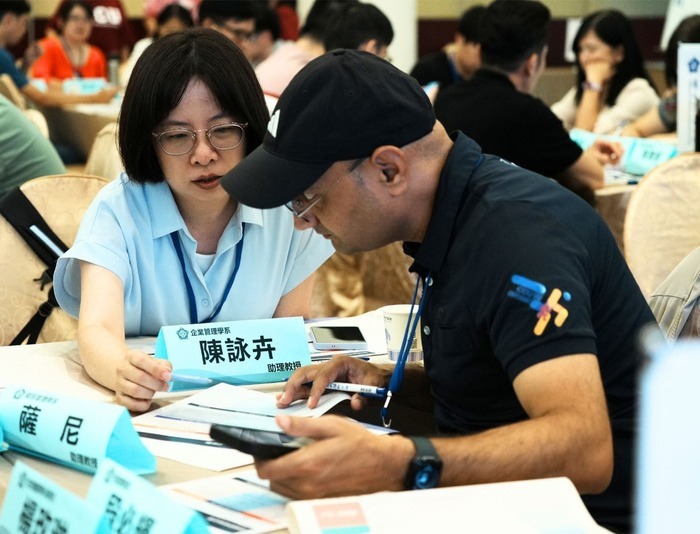
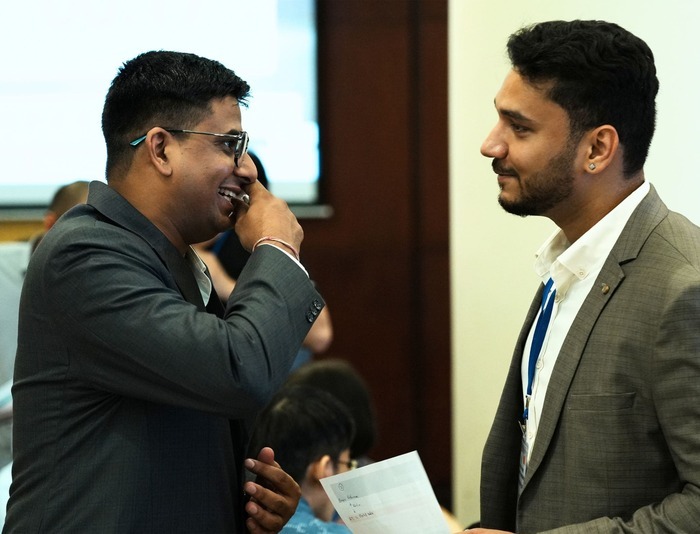
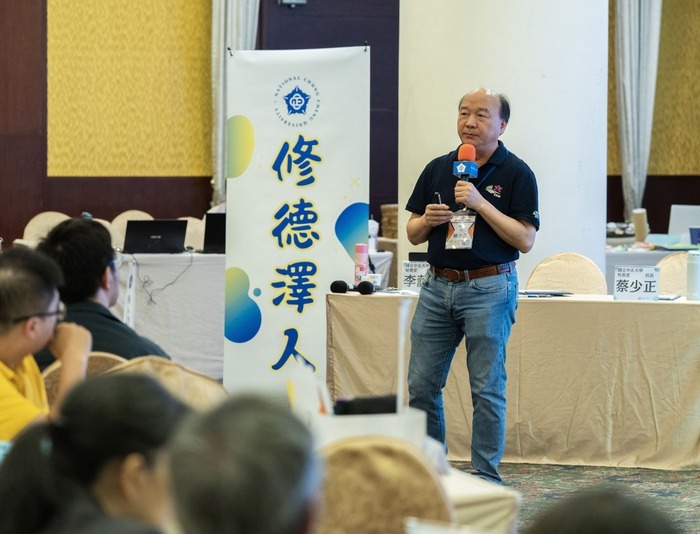
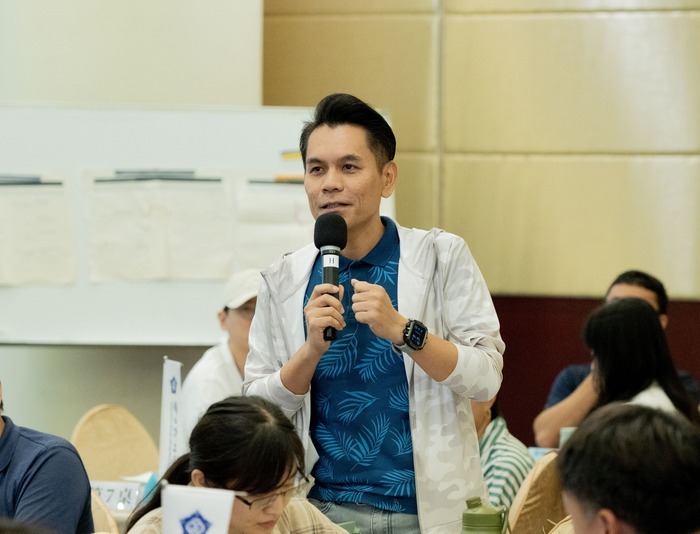
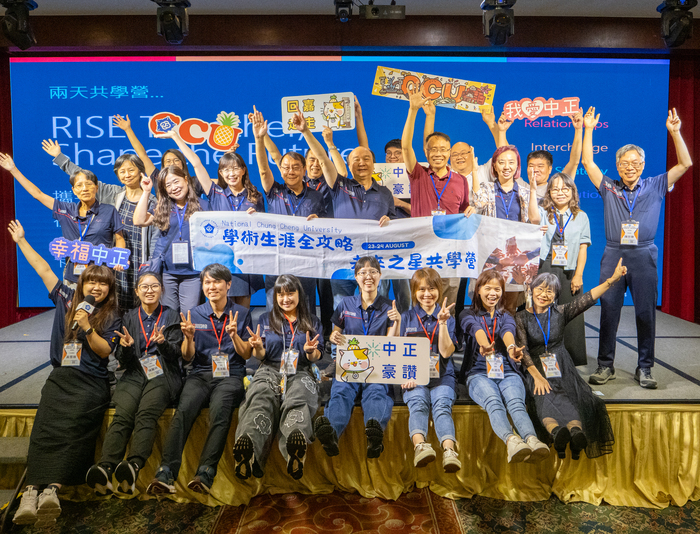
To help young scholars find direction, utilize resources effectively, and build cross-departmental and cross-disciplinary support networks at the beginning of their academic careers, National Chung Cheng University held its second "Academic Career Complete Guide: Future Stars Learning Camp" from August 23 to 24. This two-day, one-night collaborative learning event invited deans, first-level administrators, and associate and assistant professors promoted within the past five years to participate. Through lectures, experience-sharing sessions, group discussions, and administrative seminars, the camp helped young faculty members establish a more stable and powerful pace for academic development across teaching, research, service, and personal life.
The "Future Stars Collaborative Learning Camp," first held last year, received enthusiastic feedback from participating faculty. This year, the program was optimized based on prior feedback and pre-event surveys, with content focusing more closely on practical issues of greatest concern to junior faculty. The event was jointly organized by the Office of the Secretariat, Personnel Office, Office of Academic Affairs, and Office of Research and Development. It comprehensively covered critical milestones in university careers, ranging from academic positioning, teaching innovation, research grant applications, industry-academia collaboration, promotion preparation, and academic brand management to social practice initiatives such as USR and SDGs.
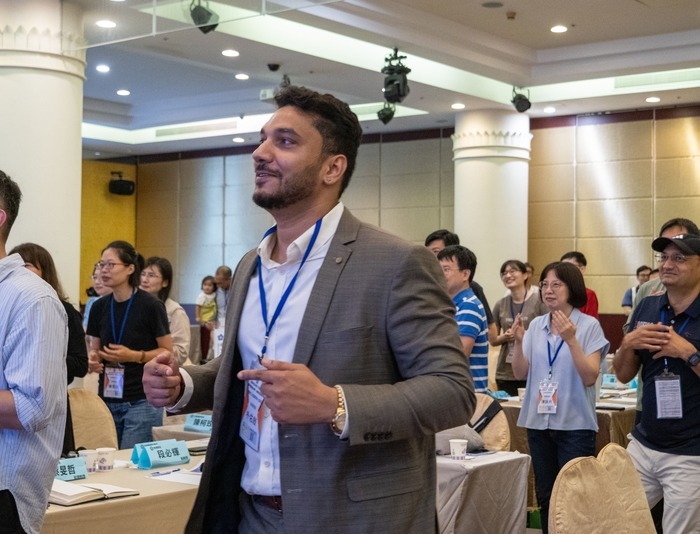
This year's camp attracted 176 participants, representing a 50% increase from last year. Among them were newly recruited international faculty members from countries such as Belgium, India, and Vietnam, highlighting the growing internationalization and diversity of National Chung Cheng University's academic community. To address the practical needs of faculty from various disciplines, the event incorporated tailored communication formats and interactive designs, ensuring that participants across humanities, social sciences, science, engineering, and international backgrounds received relevant guidance and inspiration during the collaborative learning process.
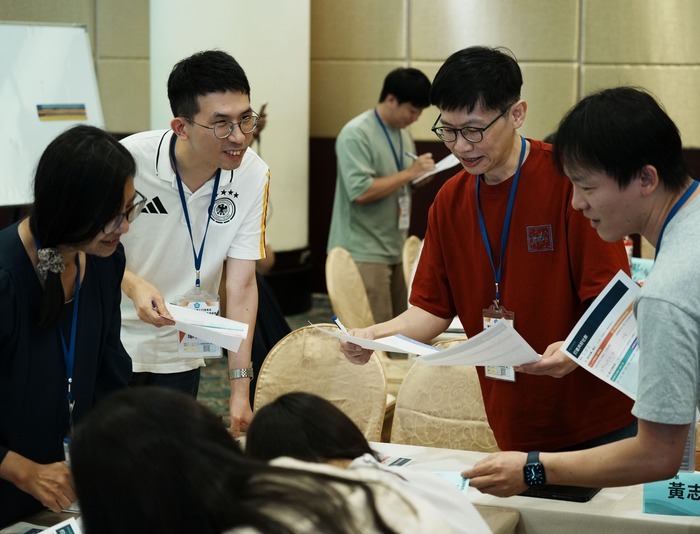
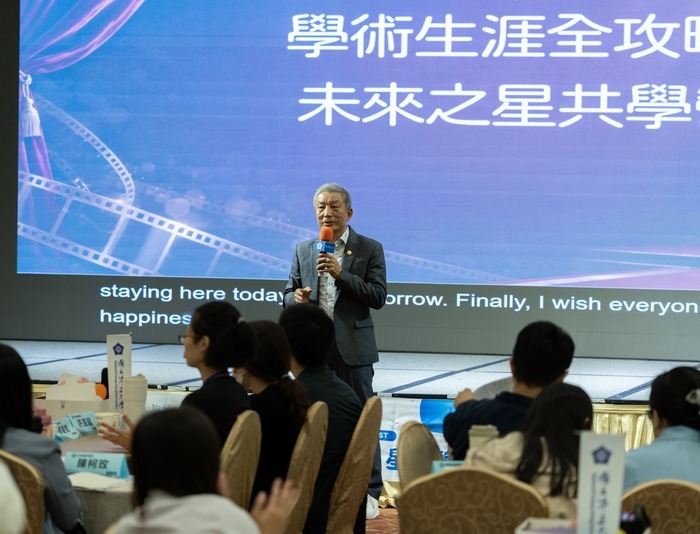
The first day kicked off with "A Joyful Encounter—An Interdisciplinary Task Force," guiding faculty members from various departments to break down academic silos and engage in cross-disciplinary dialogue. Centered on the core spirit of "Being a Happy Professor," President Shaw-Jenq Tsai shared strategies for navigating freedom, responsibility, and self-empowerment in academic life. He noted that while university teaching is a highly autonomous yet demanding profession encompassing both "beauty and sorrow," an academic career should not consist merely of solitary deadlines and pressure. Instead, professors should find purpose and fulfillment through interactive teaching, innovative research, and student mentorship.
President Tsai further encouraged junior faculty, emphasizing that an academic career is not a short sprint but a marathon requiring strategy, steady pacing, and strong partnerships. He affirmed that the university will continue to integrate teaching, research, administrative, and lifestyle support resources to serve as a solid foundation for new faculty, enabling them to settle down, thrive steadily at National Chung Cheng University, and gradually establish their distinct academic standing and impact.
During the keynote sessions, Vice President Sheng-Ju Chan presented "Weaving a Sustainable Academic Path," analyzing Taiwan's higher education landscape, university faculty system, and internal and external resources across the Taiwan Comprehensive University System (TCUS) to help new faculty map out their career growth. Gina Wen-Chun Chen, Director of the Center for Language Studies, and Jui-Lung Cheng, Dean of the College of Education, addressed "EMI Teaching Capabilities and Practical Resources for Bilingual Courses," providing practical strategies for curriculum design, classroom interaction, and student support amid higher education bilingualization trends.
Research and faculty promotion remain paramount concerns for junior academics. Shyh-Leh Chen, Vice President for Research and Development, delivered a session on "Practical Tricks for Research, Industry-Academia Collaboration, and Promotion," detailing internal and external research funding, industry partnership avenues, and promotion strategies to align individual research capabilities with university resources. In the panel "Forging Your Own Academic Path," Provost Tsuey-Ping Lee, Professor Peter Shiu-Hwa Tsu, Associate Professor Jian-Jhih Kuo, and Professor Chien-Yen Chen shared personal reflections on building long-term research momentum, developing academic strengths, and establishing a unique scholarly identity.
The second day shifted focus toward government grants and social engagement. Chun-Ju Huang from the Department of Humanities and Social Sciences at the National Science and Technology Council (NSTC) delivered a presentation titled "NSTC and MOE: The Double Helix of Research and Teaching." He emphasized that research and teaching should not be viewed as competing demands, but rather as an interconnected double helix. Teachers can identify research questions in the classroom, transform scholarly findings into instructional innovations, and leverage resources from both the NSTC and the Ministry of Education (MOE) to build integrated academic initiatives.
Additionally, Huey-Ling Shee, Executive Director of the Office of University Social Responsibility, spoke on "USRxSDGs: Research-Driven Innovative Actions to Meet Local Community Challenges," demonstrating how faculty can align research and teaching with community needs to extend scholarly impact beyond academic publications. The camp concluded with two interactive sessions, "From Collaborative Learning Maps to Future Actions" and "Future Consultation Office," where university leadership, including the president, vice presidents, senior administrators, and deans, answered questions directly regarding institutional policies, resource allocation, and career trajectories.
During the Q&A sessions, faculty members raised critical operational inquiries, including strategies for publishing in top-tier journals, senior mentorship for research proposals, sabbatical leave policies for associate professors, human research ethics review fees, percentile ranks for Student Evaluation of Teaching (SET), direct-track doctoral scholarships for bachelor's degree holders, and promotion credit transfers for faculty joining from other institutions. These discussions highlighted the high ambitions of junior faculty while offering the administration clear insights into resource integration priorities.
Building on last year's successful arrangements, the camp maintained a family-friendly environment. Recognizing that junior faculty often balance professional duties with family care, the event welcomed spouses and children, offering professional childcare services provided by the university's affiliated non-profit kindergarten. Children could rejoin their parents freely throughout the venue, giving faculty peace of mind. This thoughtful design reflected the university's commitment to supporting faculty members' holistic well-being beyond academic development.
The program integrated the "RISE" framework—Relationships, Interchange, Strategy, and Execution—into its core curriculum. Across four structured sessions, faculty members formed cross-disciplinary teams, conducted resource assessments using an "academic empowerment suitcase," and formulated concrete short-, medium-, and long-term career plans. This interactive design transformed the event from traditional lectures into an actionable career development workshop.
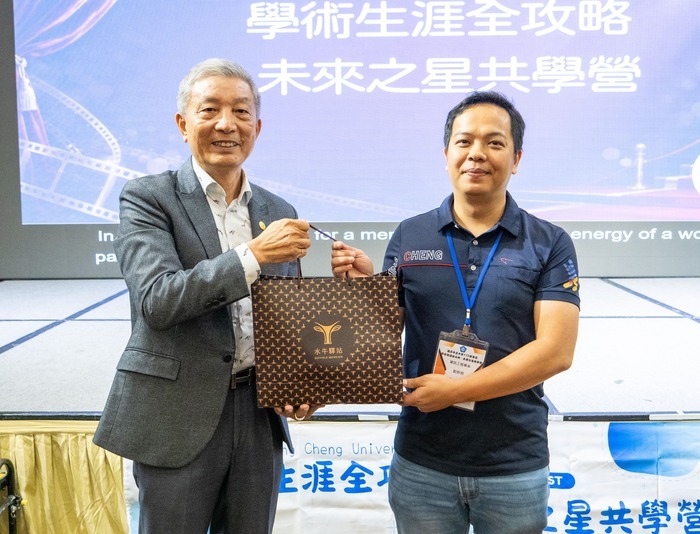
National Chung Cheng University highlighted that junior faculty members are essential drivers of the institution's future growth. Amid higher education competition, demographic shifts, globalization, AI advancements, and evolving social responsibilities, the university aims through the "Future Stars Collaborative Learning Camp" to reassure new faculty that they do not work in isolation, but are supported by peers, mentors, administrative frameworks, and institutional backing. Furthermore, the National Chung Cheng University Educational and Cultural Foundation sponsored NT$100,000 for the event, with Chairman Ching-Shu Chen attending in person to encourage participants and present gift packages on behalf of Hsing Ta Construction Corporation.
President Tsai reaffirmed that happy teachers cultivate happy students, and well-supported faculty nurture a stronger generation of future leaders. National Chung Cheng University will continuously refine its institutional support systems and resources, empowering junior faculty across teaching, research, and service to transition from isolated efforts to a thriving, collaborative academic ecosystem.