

Engraving Historical Memory with Hands: CCU Partners with Transitional Justice Office for Art Experience Workshop
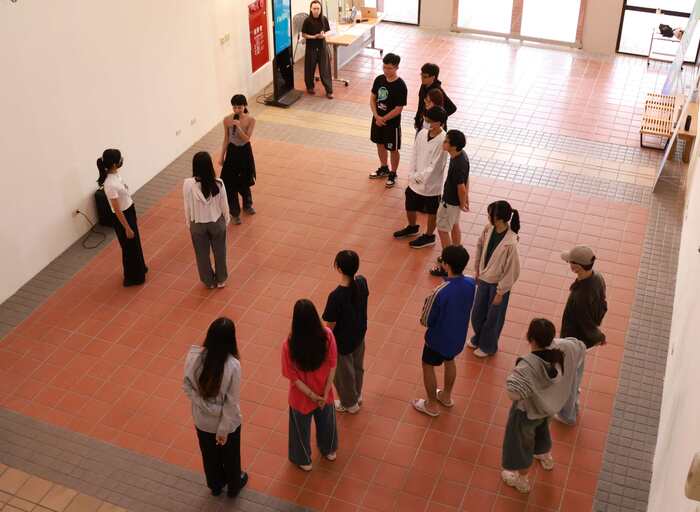
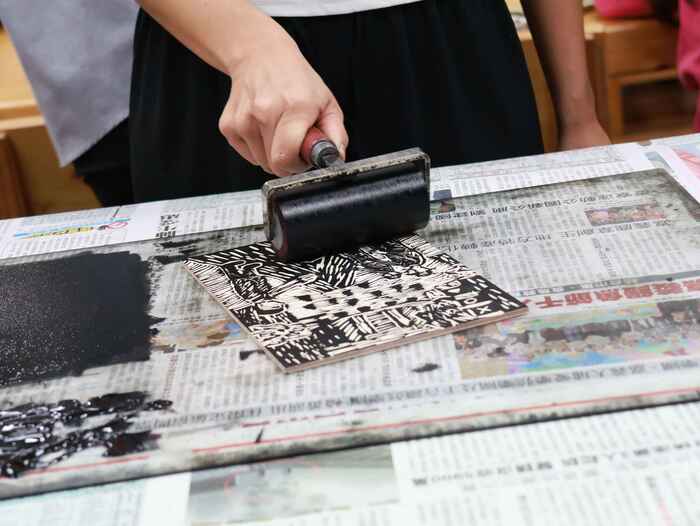
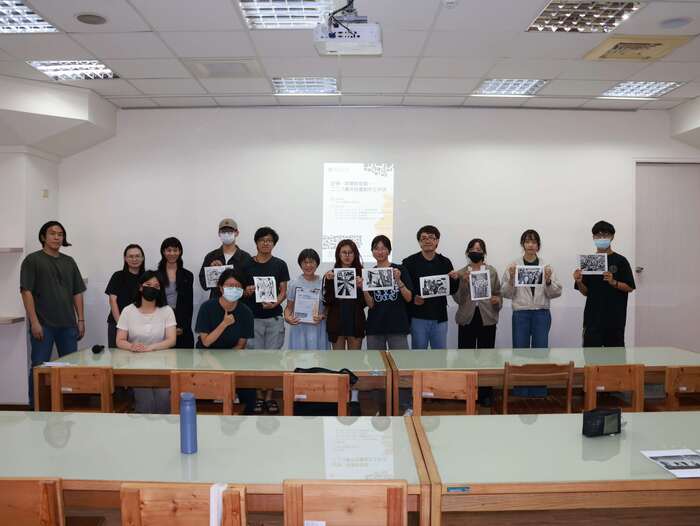
To deepen transitional justice education in schools and local communities, the Office of Social Responsibility at National Chung Cheng University (CCU) partnered with the "Promoting Diverse Transitional Justice Education Office"—commissioned by the Ministry of Education and housed at Taipei National University of the Arts—to host a two-day workshop titled "Memory, Listening, and Dialogue: The 228 Incident Printmaking Workshop" from September 2 to 3. The event combined historical lectures on the 228 Incident, interactive physical theater, and printmaking, guiding participants to carve out their own personal connections to historical memory.
CCU’s Office of Social Responsibility noted that transitional justice education should not be confined to textbook knowledge, but instead required multifaceted channels for dialogue. In response to the nationwide tour project "2026 Local 228 Lectures and Physical Printmaking Workshops" organized by the Promoting Diverse Transitional Justice Education Office, the event brought participants back into historical contexts to foster deeper understanding and empathy among local students.
The Promoting Diverse Transitional Justice Education Office stated that the workshop served as a profound experience of translating history through art. By fusing theater games with printmaking, the hands-on process allowed art to connect individual participants with history.
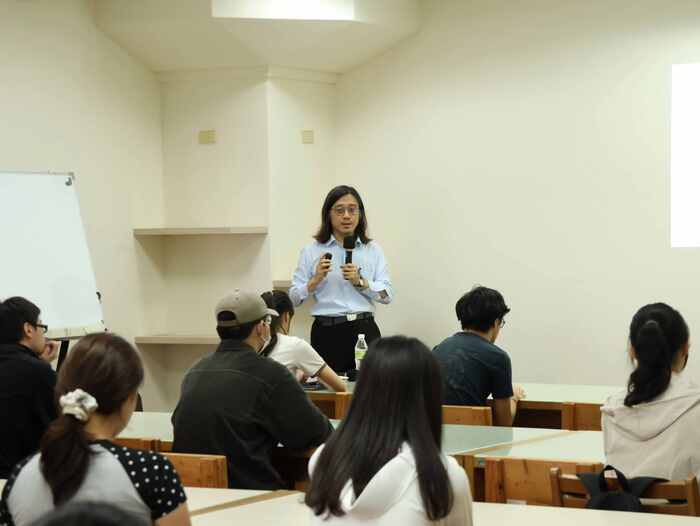
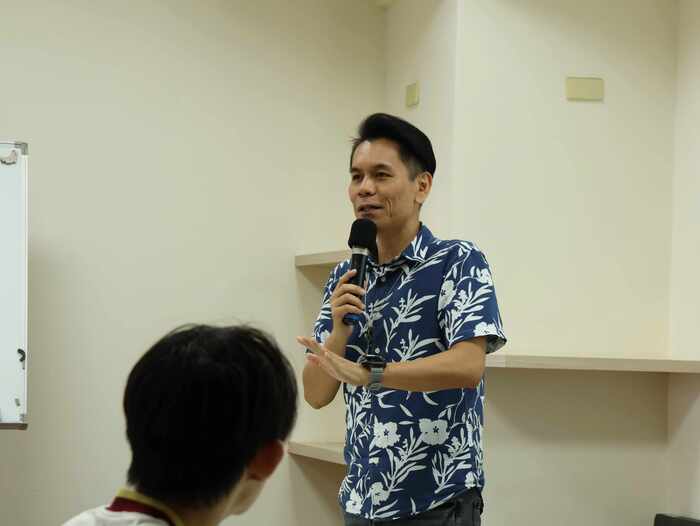
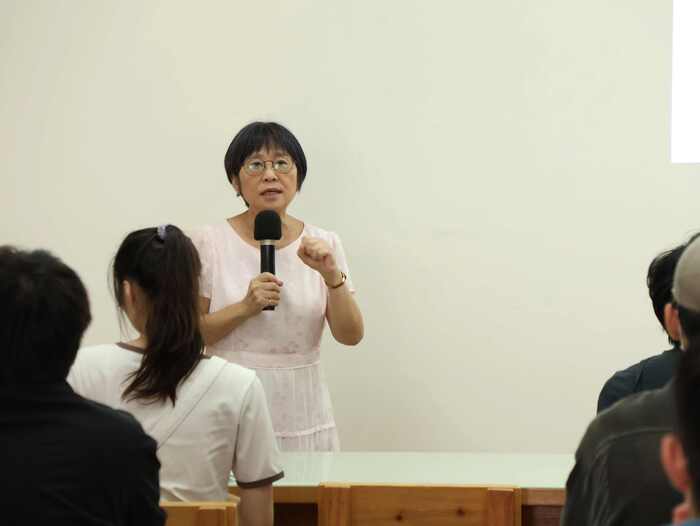
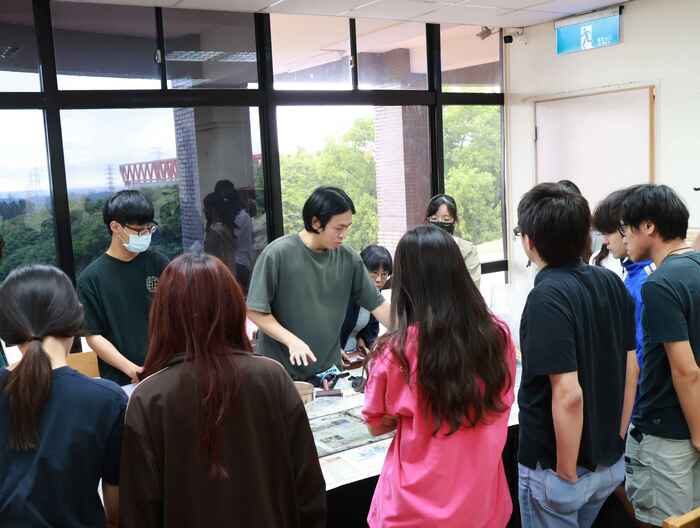
The first day opened with Associate Professor Tsung-Wei Liu from CCU's Department of Political Science. By analyzing the life experiences of various historical figures, Prof. Liu guided students to adopt different perspectives and reflect on the concrete impacts of historical events on individual lives. The second day kicked off with opening remarks by Hsin-Chih Tong, Deputy Director of the Indigenous Student Resource Center, who encouraged students to feel the weight of history through impactful artistic creation. Participants first depicted historical scenes through physical movements, then transformed those physical sensations into printmaking compositions—completing the entire process from tracing and carving to inking and printing.
Participating students shared that their prior knowledge of the 228 Incident came mostly from textbooks. However, through the progressive journey of "listening to stories first, expressing emotions through physical movements, and finally carving lines onto woodblocks," historical memory became vivid and profound. Even participants without an art background were able to create unique printmaking works under the instructors' guidance.
Transitional justice is an ongoing journey of dialogue and mutual understanding. Through this artistic experience, the 228 Incident was no longer merely text on historical pages, but a genuine emotional resonance transformed during the creative process. Moving forward, CCU will continue to launch diverse forms of historical dialogue across campus and local communities, guiding younger generations to engage with history and allowing historical memory to serve as a driving force for transitional justice education.