

CCU and Delta Electronics (Thailand) Joined Forces Across Disciplines to Cultivate Global Talent
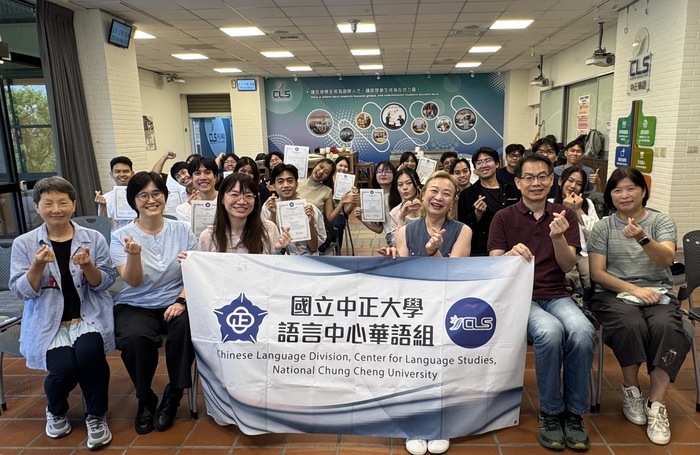
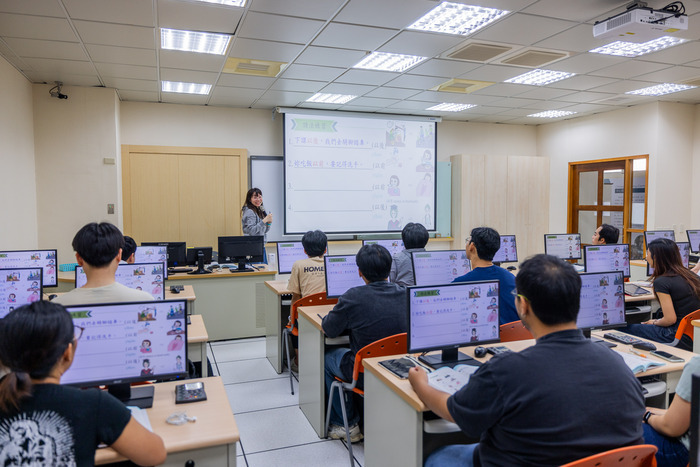
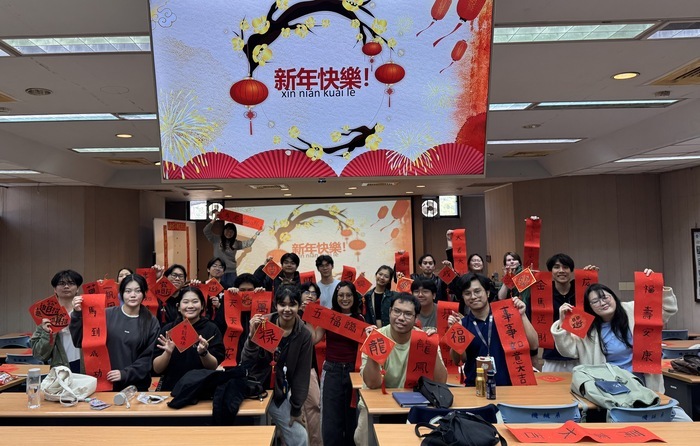
Starting from zero proficiency in Mandarin, the first cohort of Delta Electronics (Thailand) participants made significant progress after eight months of intensive and structured training at National Chung Cheng University (CCU). Participants became able to communicate in Mandarin in everyday situations, express their ideas, and steadily develop the language skills needed for their future careers in Taiwan. Most made solid progress toward TOCFL B1 proficiency, while some reached B2 in listening and reading. These achievements reflected not only the participants’ dedication, but also the tangible results of collaboration between industry and academia in cultivating global talent.
To help international students systematically develop their Mandarin proficiency within eight months, CCU brought together academic expertise and professional language education to establish an interdisciplinary training model. Under the joint leadership of Professor Yong-Song Chen, Chair of the Department of Mechanical Engineering, and Professor Gina Wen-Chun Chen, Director of the Center for Language Studies, the two units worked closely together while drawing on their respective areas of expertise. The program provided comprehensive support ranging from students’ adjustment to life and study in Taiwan to Mandarin curriculum planning, proficiency assessment, and continuous tracking of learning progress. The language teaching team also adjusted the curriculum according to participants’ performance at different stages, using regular assessments to monitor progress and refine teaching and learning strategies.
The participants’ active engagement, Delta Electronics (Thailand)’s continued support, and close collaboration among units across CCU laid a strong foundation for further cooperation. The new cohort expanded in scale and included students from a wider range of academic and professional backgrounds. Building on the experience of the first cohort and further deepening collaboration with the second, CCU developed an international industry–academia talent development model that integrated industry needs, professional expertise, and workplace Mandarin.
The participants’ final Mandarin transcripts represented more than improvements in language proficiency. They documented a learning journey from zero proficiency to effective communication in Mandarin, with participants progressing toward TOCFL B1 and, for some, taking on the challenge of reaching B2. Through this process, CCU became an important bridge connecting international talent with professional learning, life in Taiwan, and future career development.
Looking ahead, CCU pledged to continue to advance its “Mandarin for Specific Purposes × Industry Talent Development” model and extend the experience gained through this collaboration to a broader range of industries and professional fields. By bringing together industry partners, academic departments, and Mandarin language education, CCU sought to continue diversifying pathways toward campus internationalization. Alongside existing international talent exchange initiatives such as TEEP, the University aimed to further develop new models of industry–university collaboration for cultivating global talent and strengthen its role as a key link connecting international talent, Taiwan’s industries, and future career opportunities.