

CCU Campus Programming Contest Concludes, with Nearly 60% Non-IT Majors Showcasing Cross-Disciplinary Vitality
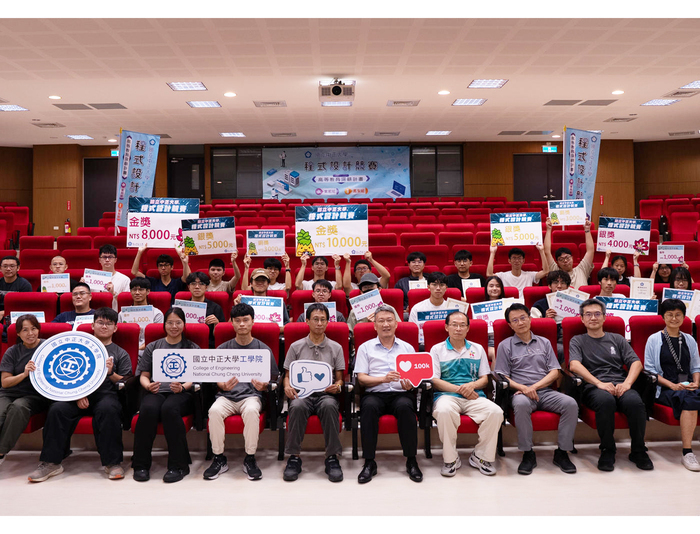
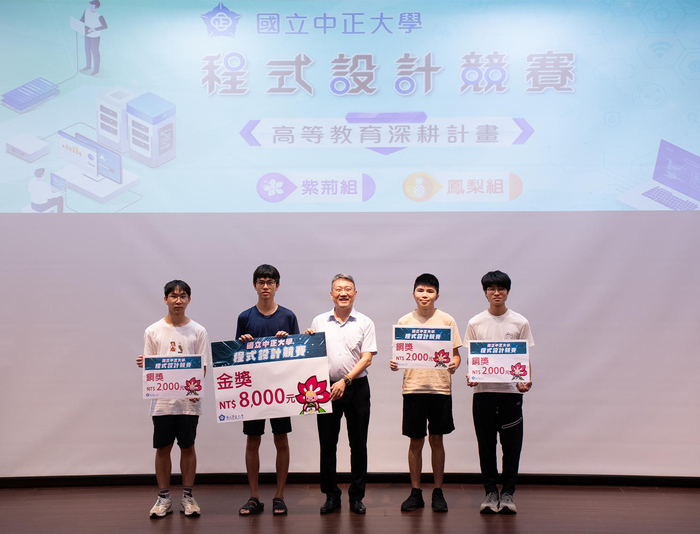
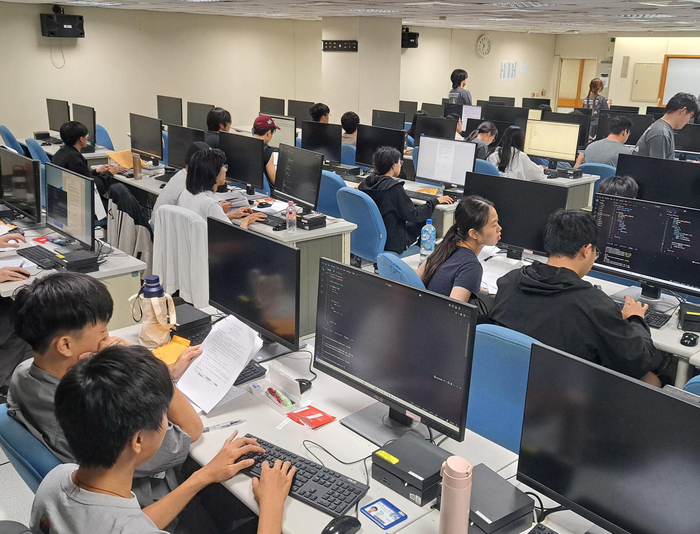
To guide students in deepening their programming applications and establishing a robust foundation in logical thinking and problem-solving resilience, the National Chung Cheng University Campus Programming Contest, hosted by the College of Engineering under the Higher Education Sprout Project (HESP), recently concluded successfully. This annual event, centered on promoting foundational programming literacy across campus, attracted 124 undergraduate students from CCU this year. Notably, 73 participants were from non-information technology fields—representing nearly 60% of the total—which demonstrated that cross-disciplinary programming education had become highly prevalent throughout the campus.
Amid the ongoing wave of digital transformation, proficiency in programming languages had become an essential tool for modern university students. To boost learning motivation, the competition categorized participants into different divisions based on their academic backgrounds, including the Pineapple Division for information technology majors and the Cercis Division, designed specifically for non-computer science students to encourage cross-disciplinary teamwork. Through this structured competition format and the policy of guaranteeing that the top team of each department would be awarded an Honorable Mention, the university solidified its recognition of students from all disciplines engaging in programming design.
The organizers pointed out that among the top three winning teams in both the Pineapple Division and Cercis Division (12 teams in total), six teams consisted of first-year students. This highlighted that information technology within the 108 Curriculum Guidelines, bridging high school to university, had gradually integrated into core literacy capabilities. This year, the proportion of non-IT participants reached 58.8%, which indicated that programming design had transcended traditional engineering boundaries and was gradually becoming a fundamental core capability for students across various departments. Within the limited time available, competing teams translated the programming design skills and algorithmic logic acquired in classrooms into practical problem-solving capabilities, fully sparking cross-disciplinary innovation.
The HESP initiative of the College of Engineering had long been promoting the popularization of emerging technology education, implementing information technology literacy such as logical computing and programming language learning. In addition to organizing competitions to stimulate practical potential, various colleges and departments continuously offered domain-specific informatics courses tailored to their specialized academic needs. Looking ahead, the College of Engineering aimed to continue deepening information technology education, assisting students throughout the university in building powerful coding capabilities, and guiding students beyond the traditional classroom through diverse competitive platforms to engineer the most resilient logical competitiveness for their future cross-disciplinary careers.