

CCU Study Reconstructed Two Millennia of Environmental and Human Interaction on Dongjiyu, Penghu
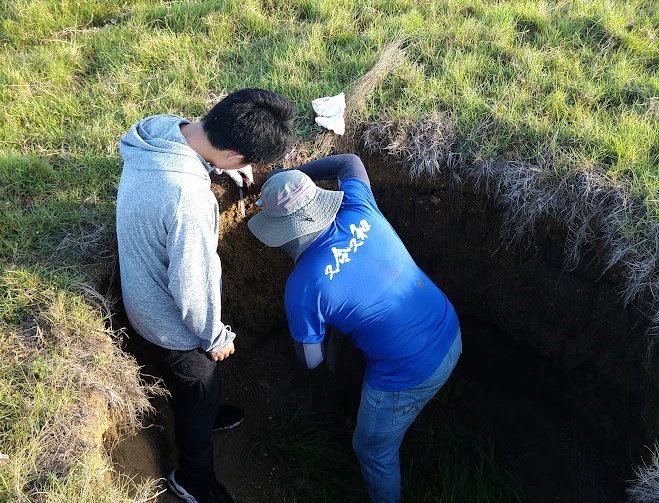
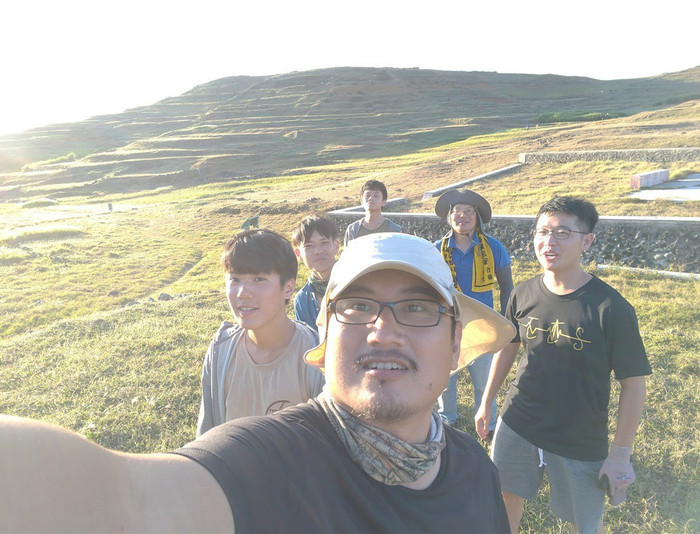
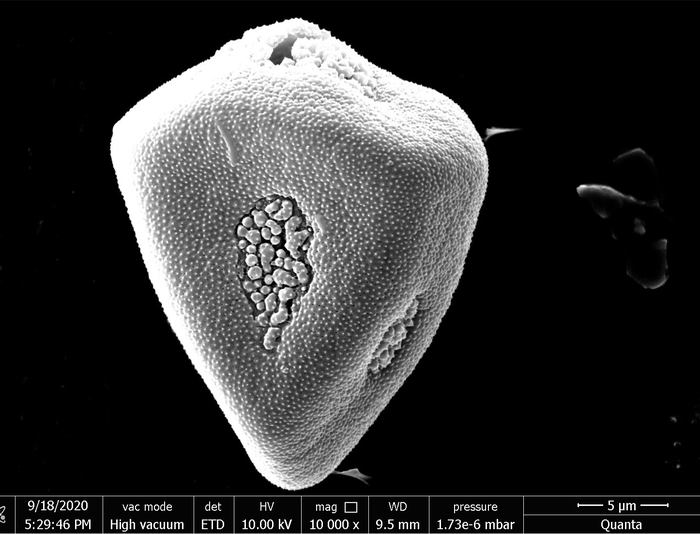
With the assistance of the Marine National Park Headquarters, a research team from the Department of Earth and Environmental Sciences at National Chung Cheng University analyzed pollen fossils and geochemical indicators preserved in wetland sediments from Dongjiyu. The study reconstructed environmental changes on the island over the past nearly 2,000 years. The findings were published in the international journal Quaternary International.
Professor Liang-Chi Wang explained that wetland sediments accumulated year by year, preserving past environmental information much like tree rings. By analyzing plant pollen and organic matter in sediments from different depths, researchers determined whether the wetland was drier or wetter in the past, whether grassland or sedge plants increased, and whether human activities gradually became more evident.
The results showed that environmental changes on Dongjiyu over the past two millennia were broadly divided into three stages. The first stage, from about 2,000 to 440 years before present—roughly from around the beginning of the Common Era to before the mid-Ming dynasty—was characterized mainly by a stable wetland and grassland environment, with very little human impact. The second stage, from about 440 to 140 years before present—roughly from the mid- to late Ming dynasty through the mid- to late Qing dynasty—saw noticeable changes in the wetland environment. An increase in sedge plants suggested wetter conditions and a possibly more pronounced wetland landscape. The third stage, from about 140 years before present to today—roughly from the late Qing dynasty and Japanese colonial period to the modern era—showed clear evidence of human influence. Pollen records indicated an increase in grassland vegetation and plants possibly associated with cultivation and land use, while the wetland environment also became increasingly disturbed.
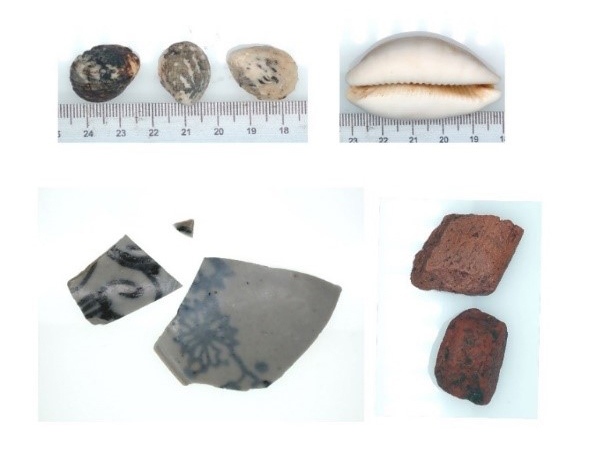
The research team also found multiple lines of evidence for human activity in the sediments, including remains of edible shellfish, fishing sinkers, and blue-and-white porcelain. These findings suggested that past residents of Dongjiyu not only made use of marine resources, but that the island also served as a hub for navigation, trade, and material exchange around the Taiwan Strait. Edible shellfish and fishing sinkers reflected fishing activities and daily dietary life, while blue-and-white porcelain pointed to possible connections between the island and the outside world. The study noted that Dongjiyu occupied an important position in the Taiwan Strait and had long served as a node for navigation, fishing, and human movement. This research demonstrated that even small offshore-island wetlands preserved multiple clues about climate change, ecological shifts, and human life, making them highly significant for understanding the history of human-environment interaction in the Penghu Islands and the Taiwan Strait.
The research team also emphasized that offshore-island wetlands were highly sensitive to climate change and human development. Long-term sediment records such as these helped researchers understand how past environments changed and served as an important reference for future wetland conservation, national park management, and coastal environmental governance.