

30+ University Pilot Project Building a New Paradigm for Lifelong Learning
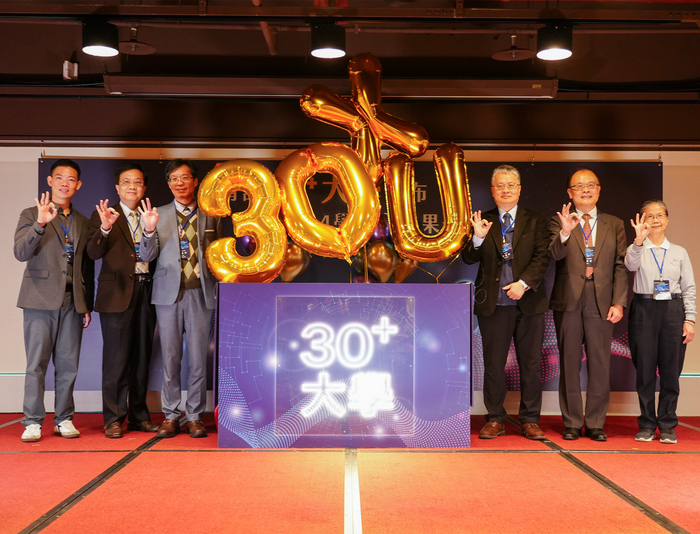
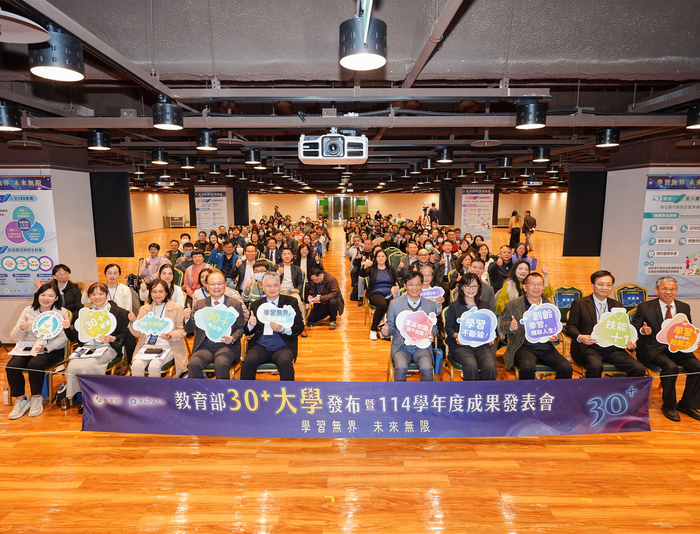
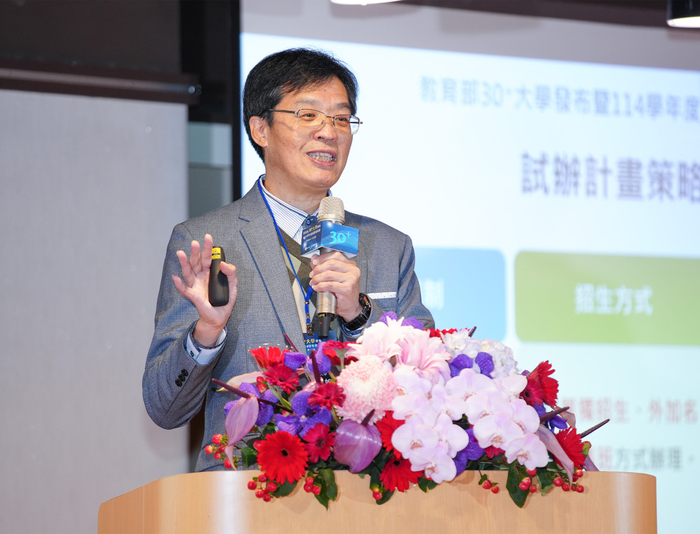
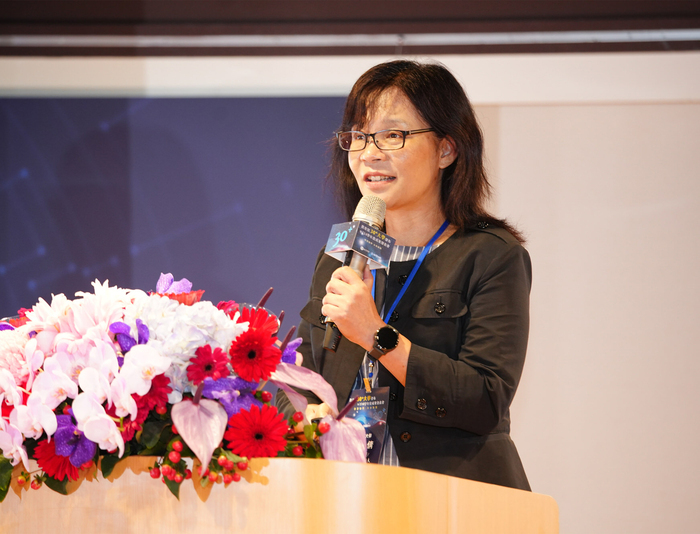
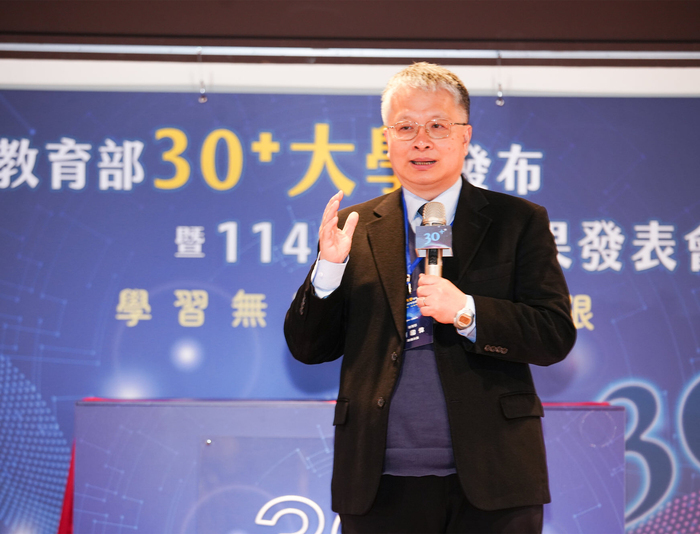
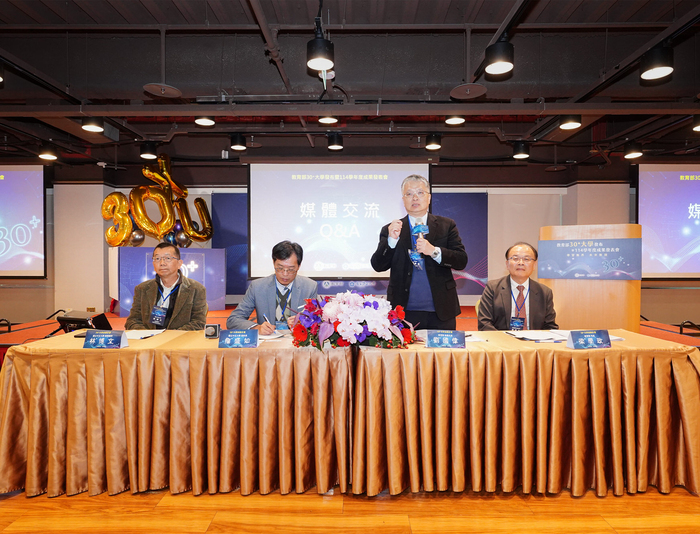
To provide citizens with diverse, systematic, and forward-looking lifelong learning opportunities and to stimulate their motivation for continuous education, the Ministry of Education (MOE) launched the "Third Age University Pilot Project" in the 2025 academic year. Earning widespread support from the public and universities, the initiative will expand in the 2026 academic year. To mark this milestone, the MOE hosted the "30+ University Pilot Project" Launch and 2025 Academic Year Achievement Presentation on May 10 at the Chang Yung-Fa Foundation International Convention Center. Under the theme "Boundless Learning, Infinite Future," Sheng-Ju Chan, Vice President of National Chung Cheng University (CCU) and the project director, outlined the core concepts of the upcoming 2026 academic year program. Alliance schools and students were also invited to share their accomplishments from the past year, as representatives from public and private universities gathered to witness this new paradigm of lifelong learning.
The MOE pointed out that, in response to demographic trends such as an aging population and a declining birth rate, as well as the lifelong learning needs driven by industrial transformation, the 2025 academic year pilot project prioritized individuals aged 55 and above. This inaugural implementation of the Third Age University Pilot Project involved 27 universities offering 58 classes, with a total of 1,204 students participating. Based on enthusiastic feedback and widespread suggestions to broaden the target audience and increase the number of participating institutions, the project will expand its reach in the 2026 academic year to include individuals aged 30 and above. Consequently, the pilot school selection process transitioned from invitation-based to application-based, alongside corresponding adjustments to the project's name and content.
Political Deputy Minister of Education Liu stated that the project's core spirit revolved around "returning to campus, interdisciplinary learning, and flexible course selection." Through a structured yet adaptable learning model, the MOE envisioned a new lifelong learning paradigm characterized by "boundless time, boundless learning, and boundless age." This approach encouraged adults aged 30 and above to pursue further education, cultivate secondary expertise, and enhance their life literacy and social participation skills. By making learning an accessible support system at any life stage, the initiative also prompted higher education institutions to fulfill their social responsibilities. Ultimately, it realized the vision of "Boundless Learning, Infinite Future," positioning universities as vital hubs for citizens to return, relearn, and redesign their lives at different stages.
During the alliance school sharing session, Lun-Hao Lin, Dean of Academic Affairs at Takming University of Science and Technology, detailed his institution's implementation results. He explained that their project primarily aimed to "cultivate the 'digital technology' and 'sustainable development' competencies of middle-aged and senior generations to create a wonderful third act of life." By offering courses related to digital technology and information applications, the university helped these demographics adapt to technological advancements and improve their daily convenience. The curriculum featured courses such as AI Investment and Wealth Management, Multilingual Joyful Travel, Fashion Aesthetics, and Digital Creation, which successfully enhanced interdisciplinary application skills and fostered diverse expertise. In the 2025 academic year, the program attracted 82 applicants and admitted 66, demonstrating high public recognition and enthusiastic participation.
For the student navigation sharing session, Hsiu-Ying Chen, a student from Tzu Chi University, was invited to share her personal journey. Nearing 70 years of age, she enrolled in Tzu Chi University's inaugural "Third Age University" at the end of July 2025. Presenting under the theme "Returning to campus means returning to the self who is willing to work hard for dreams," she shared her experience of starting anew in her third stage of life. She highlighted how she embraced the courage to grow through continuous education, powerfully demonstrating the vitality and resilience of third-age learning.
Furthermore, Hsin-Han Chen, a student in the Third Age University program at CCU during the 2025 academic year, shared his practical experience of refining his professional skills to meet family and societal needs. Already holding a Ph.D., Chen currently served as the Secretary-General of the private Ray Tai Social Welfare Foundation in Chiayi County. He pursued further studies to prepare for taking over his family's long-term care business, aiming to transform his newly acquired knowledge into innovative service momentum. His dedication injected new vitality into the long-term care sector and embodied the belief that "learning is not restricted by age or status."
The MOE emphasized that the "30+ University" initiative represented not merely a shift in learning models, but the active construction of a comprehensive learning ecosystem. Moving forward, the MOE will continue to collaborate with more universities and local resources to deepen interdisciplinary courses and strengthen learning support mechanisms. This will ensure that citizens undergoing career transitions, life changes, or retirement preparation can access sustainable and convenient learning opportunities integrated seamlessly into their daily lives and social participation. Following a thorough review process, the list of subsidized schools for the 2026 academic year will be announced in May 2026 on the MOE's Senior Education Learning Network (https://moe.senioredu.moe.gov.tw) and other affiliated websites. The MOE remains committed to refining this lifelong learning promotion model based on pilot outcomes, empowering citizens to enrich their lives with accessible and friendly educational support.