

National Chung Cheng University Hosted Generative AI Summit: Integrating Cross-Disciplinary Insights to Shape New Directions for the Future
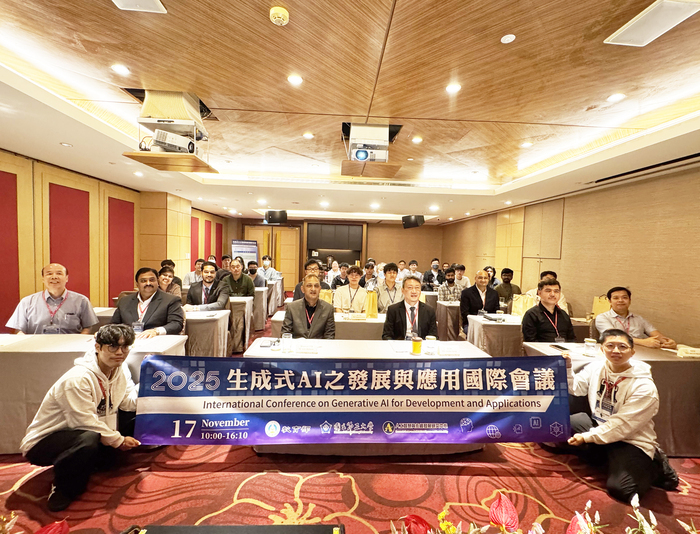
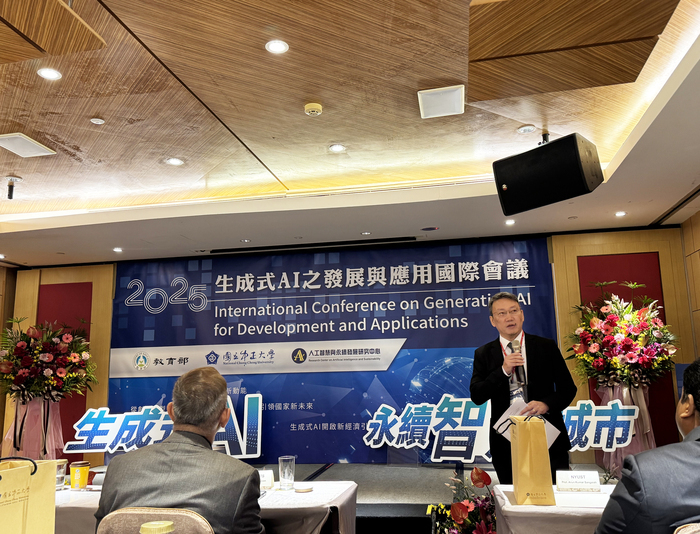
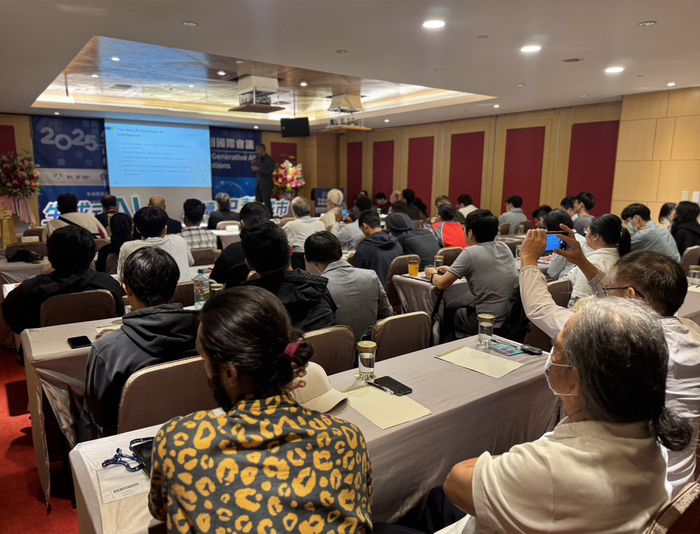
Supported by Taiwan’s Ministry of Education under the New Southbound Policy, National Chung Cheng University (CCU) held the International Conference on the Development and Application of Generative AI on November 17, 2025. The event focused on the latest trends and practical challenges of generative AI across multiple domains, including industrial innovation, smart governance, critical infrastructure protection, urban disaster management, and human resource development. The conference brought together representatives and experts from government, industry, and academia across Taiwan and South Asia, fostering dialogue on the systemic transformation and emerging opportunities driven by global AI advancement.
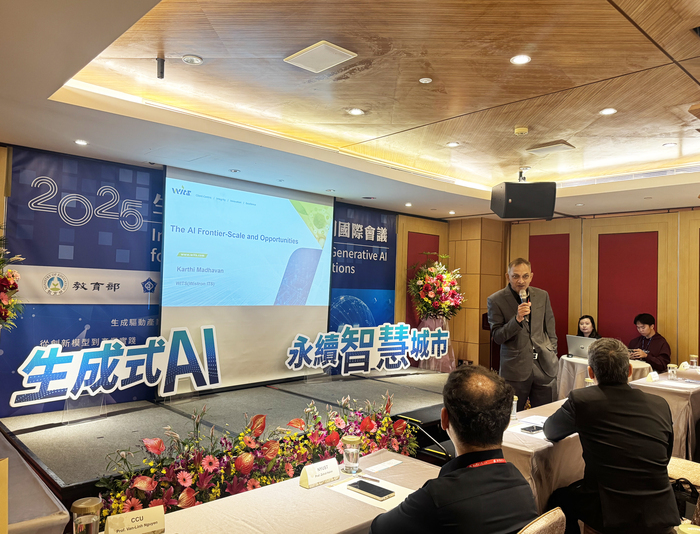
The forum featured an exceptional lineup of influential leaders from both academia and industry. Mr. Karthi Madhavan, Executive Assistant to the Chairman and CEO of Wistron ITS and former Taiwan Country Head of Tata Consultancy Services, brought nearly three decades of experience in global IT services, international operations, and smart-city development, serving as a key figure in corporate digital transformation. Prof. Zahid Halim from National Yunlin University of Science and Technology was a prominent scholar in computational intelligence, data analytics, intelligent transportation, and medical AI, with numerous awards recognizing his impactful research.
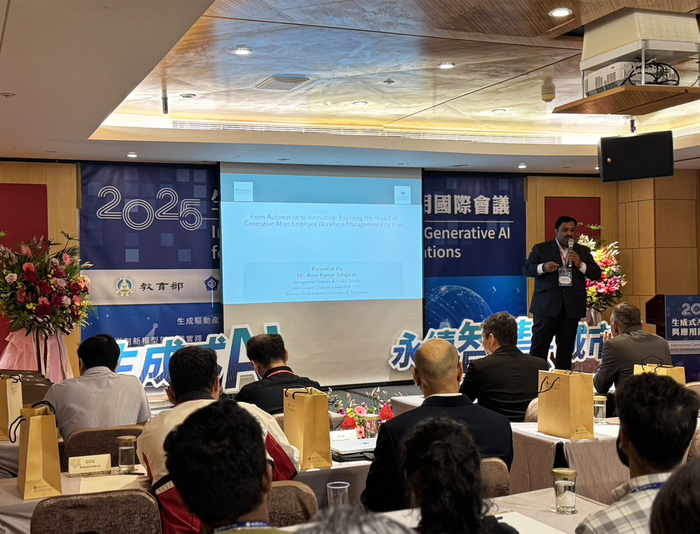
Prof. Van-Linh Nguyen of CCU led research in cybersecurity and wireless communications, with expertise spanning trustworthy AI, quantum machine learning, edge communications, and critical infrastructure security—positioning him as a vital contributor to next-generation network defense. Prof. Arun Kumar Sangaiah, a highly cited global researcher from National Yunlin University of Science and Technology, had published over 300 international journal papers in AI, IoT, and edge computing and served on the editorial boards of several leading international journals.
During the conference, Mr. Madhavan shared a frontline industry perspective on how generative AI was reshaping large-scale industrial deployment and global competition, offering insights into its profound impact on corporate operating models. Prof. Halim introduced the concept of “emotionally intelligent AI,” demonstrating how generative models could support human-centered technology design and enable more intuitive, interactive intelligent services—paving new pathways for human-AI collaboration. Prof. Nguyen presented applications of generative AI in national energy systems, critical infrastructure protection, and early disaster warning, emphasizing its practical value in enhancing resilience amid rising climate and cybersecurity risks. Prof. Sangaiah, drawing from his extensive research and international collaborations, analyzed how generative AI was driving a shift from traditional automation to innovation-oriented intelligence within organizations, highlighting emerging trends across AI, IoT, and edge computing.
Dr. Pao-Ann Hsiung, Director of the CCU Research Center for Artificial Intelligence and Sustainability, noted that this forum not only strengthened academic and industrial collaboration between Taiwan and South Asia but also provided a platform to explore how emerging AI technologies could address challenges in urban governance, industrial transformation, information security, and social resilience. He emphasized that cross-disciplinary and cross-border dialogue fostered broader perspectives and accelerated the translation of research into real-world impact, while also enriching talent cultivation.
CCU stated that the forum reflected the university’s long-term commitment to advancing cutting-edge research and international collaboration. The event also aligned with President Shaw-Jenq Tsai’s strategic direction for the university, which centered on internationalization, cross-domain cooperation, and university social responsibility. In an era of rapid global change, higher education must build flexible and interconnected models of collaboration. CCU continued to cultivate a new generation of students equipped with global awareness, interdisciplinary capabilities, and forward-looking thinking, empowering them to make meaningful and far-reaching contributions on the international stage.