

Centering Human Rights to Build Compassionate and Inclusive Elder Care: National Chung Cheng University USR Project Hosted the “Super-Aged Taiwan: The Concept and Practice of Social Prescribing” Symposium
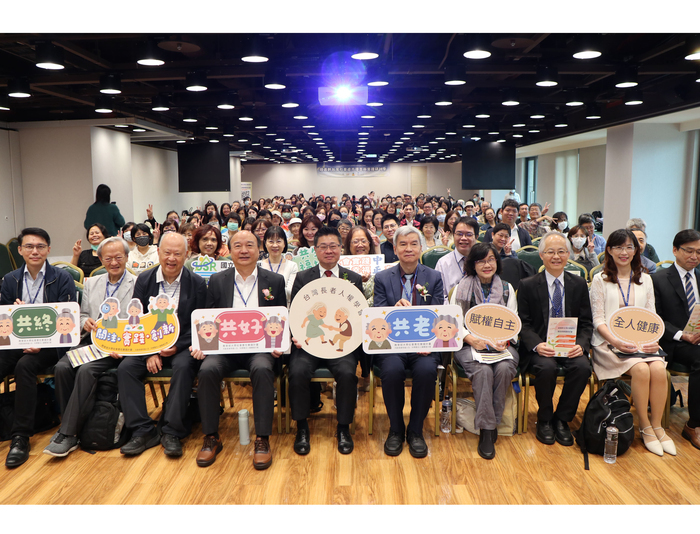
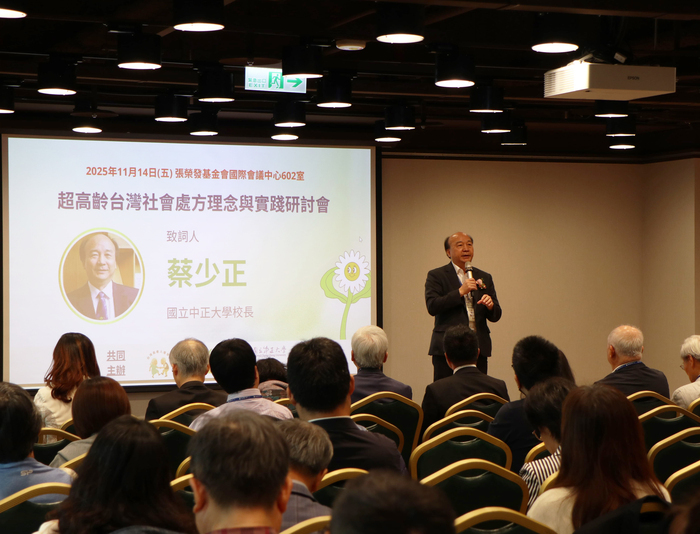
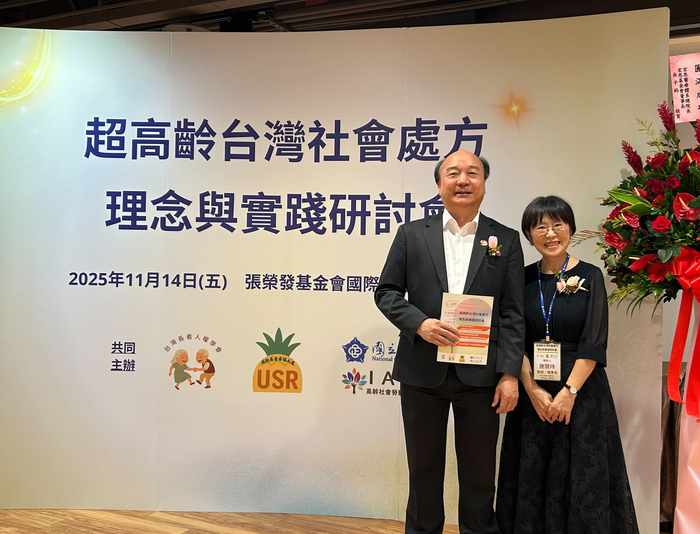
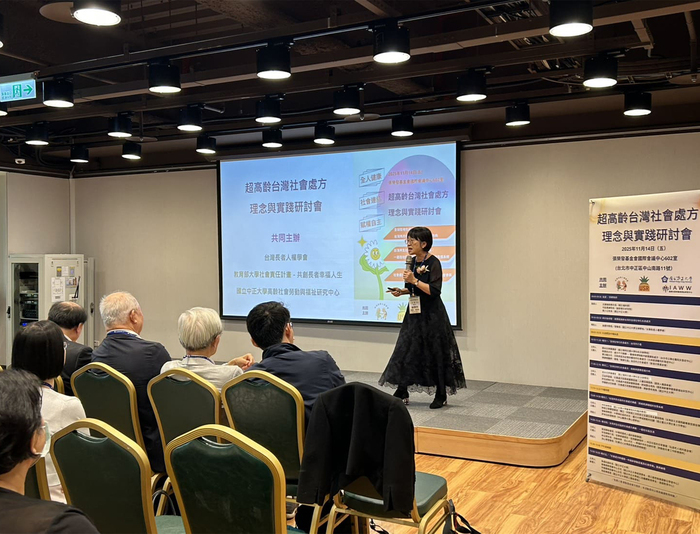
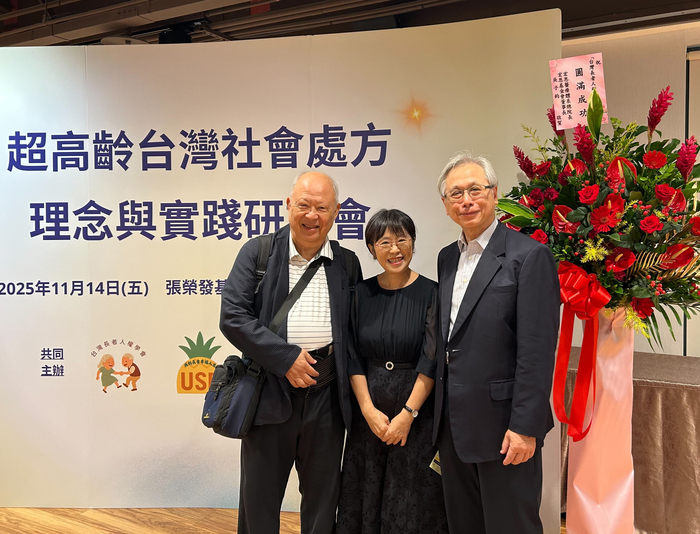
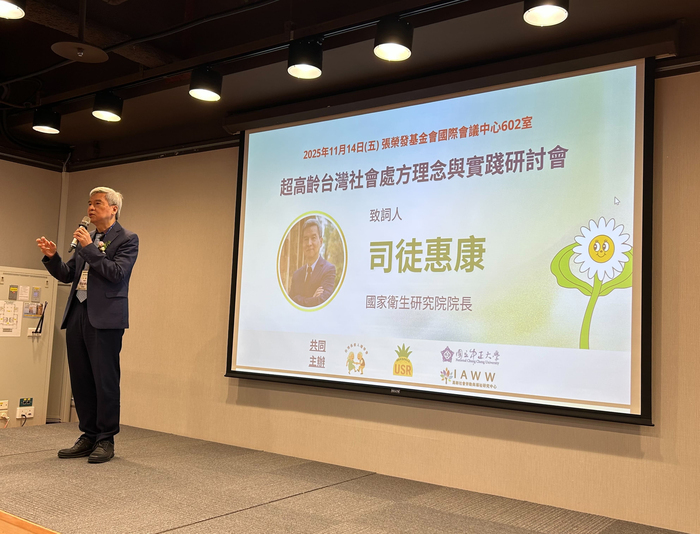
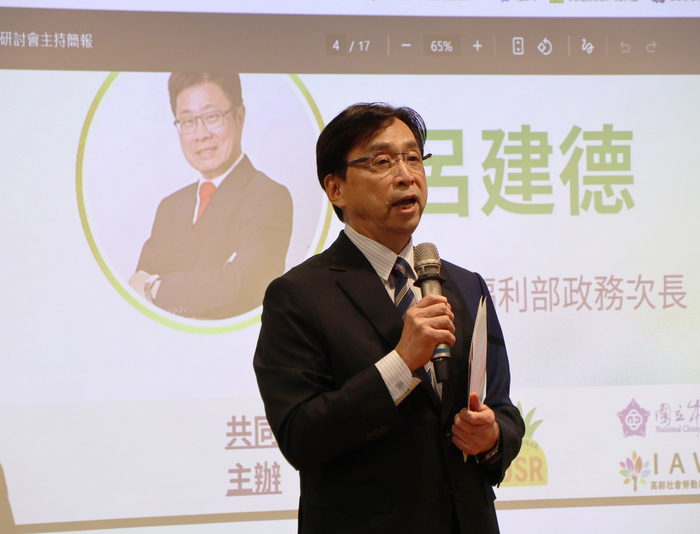
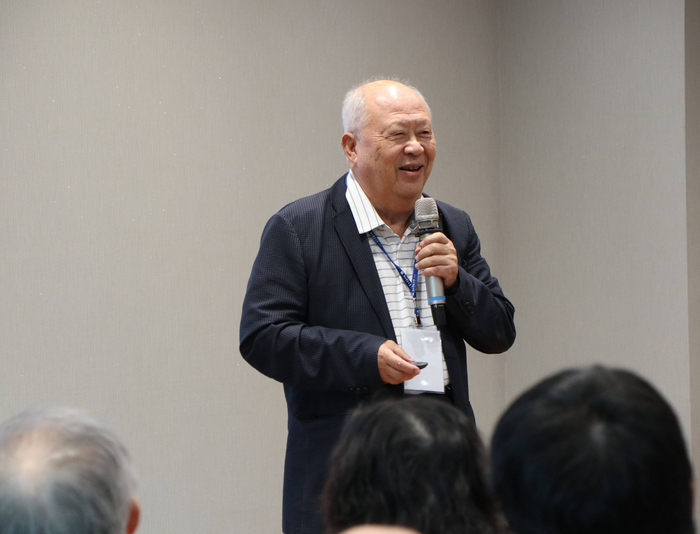
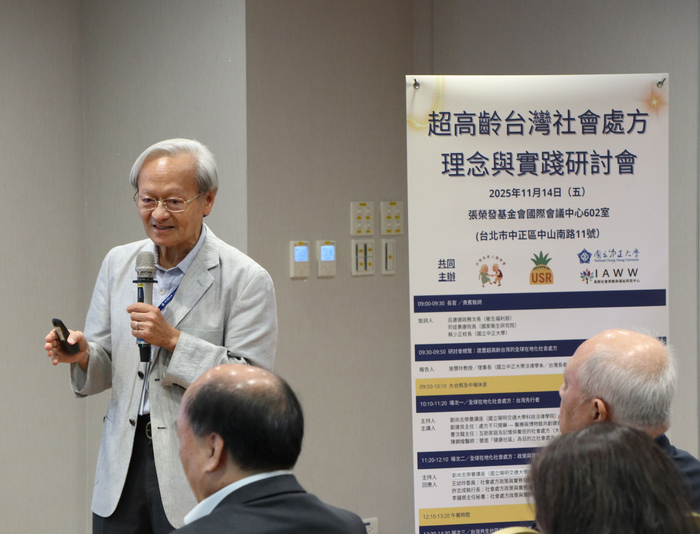
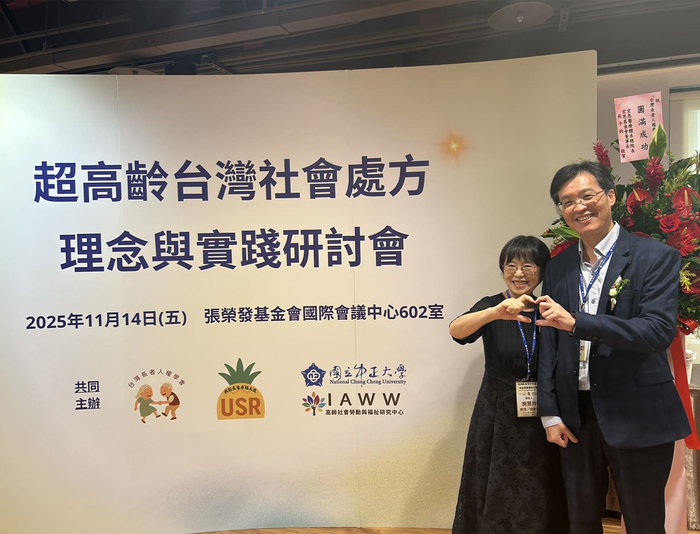
The National Chung Cheng University (CCU) University Social Responsibility (USR) Project, “Collaborative Creation for Happiness of Older Persons: An Interdisciplinary Project to Realize Elderly Rights,” has been deeply rooted in local communities in Chiayi, promoting elder care and community learning grounded in human rights. In response to Taiwan’s transition into a super-aged society, the project, in collaboration with the Taiwan Association for Elder Human Rights and the CCU Institute for Aging, Work and Wellbeing (IAWW), co-organized the symposium “Super-Aged Taiwan: The Concept and Practice of Social Prescribing.” The event brought together representatives from government and academia to explore how social prescribing could bridge medical, welfare, and community resources to realize a model of care based on coexistence and mutual well-being.
The symposium featured opening remarks by Deputy Minister Chien-Te Lü (Ministry of Health and Welfare), President Steve K. H. Szeto (National Health Research Institutes), and President Shaw-Jenq Tsai (National Chung Cheng University), who shared their visions for aging policy, health promotion, and academic collaboration. Experts from the fields of medicine, social work, psychology, and education also joined the dialogue to discuss the applications and challenges of implementing social prescribing in local care networks.
The organizers noted that the symposium was motivated by the institutional and cultural challenges Taiwan faced as it rapidly entered a super-aged society. Current care systems still rely heavily on medical and disease management approaches. However, with the growing recognition of Social Determinants of Health (SDoH), health is increasingly understood as intertwined with education, housing, culture, social participation, and human connection. Originating in the United Kingdom, the concept of Social Prescribing (SP) emerged as a vital mechanism for cross-sectoral integration. Social prescribing encourages medical professionals to refer patients to diverse community-based support resources—such as arts and cultural programs, horticulture, exercise, volunteer services, or communal dining—promoting holistic health through non-pharmacological means, alleviating loneliness, and empowering independent living.
The symposium opened with remarks from Professor Hui-Ling Shih of National Chung Cheng University, who explained that social prescribing was developed within the UK’s public health system to enhance physical and mental well-being through social and non-medical support. By engaging in arts, gardening, exercise, and volunteering, individuals could rebuild social connections and rediscover meaning in life, thereby reducing loneliness and healthcare burdens. Professor Shih emphasized that social prescribing was not only a health strategy but also a social and cultural transformation centered on human rights.
Subsequent keynote talks and panel discussions showcased diverse practical experiences. Dr. Chien-Liang Liu, Director of the Dementia Center at Taipei City Hospital, presented “A Prescription Beyond Medicine,” sharing how medical professionals collaborated with museums to develop health-promoting art programs. Dr. Wen-Long Tsao from Dalin Tzu Chi Hospital introduced the “Mutual Support Family” and “Memory Maintenance Class” models, in which medical teams worked directly in communities to form a supportive network linking hospitals, families, and local residents. Dr. Chin-Huang Chen, founder of the Hsinkang Cultural and Educational Foundation, shared his practice of building a “Healthy Community Living Collective,” embodying community autonomy and mutual support.
Through long-term partnerships with hospitals, non-profit organizations, and local governments, CCU’s USR Project continues to develop a localized social prescribing model grounded in human rights, emphasizing dignity, autonomy, and participation among older adults. By convening this symposium, the organizers aimed to foster interdisciplinary dialogue and strengthen collaboration among government, academia, and communities—jointly shaping a new paradigm of elder care that met the complex needs of Taiwan’s super-aged society.