

Allergy Drug Shows Promise as a New Anti-Cancer Weapon: CCU-Led Research Team Published in Molecular Medicine
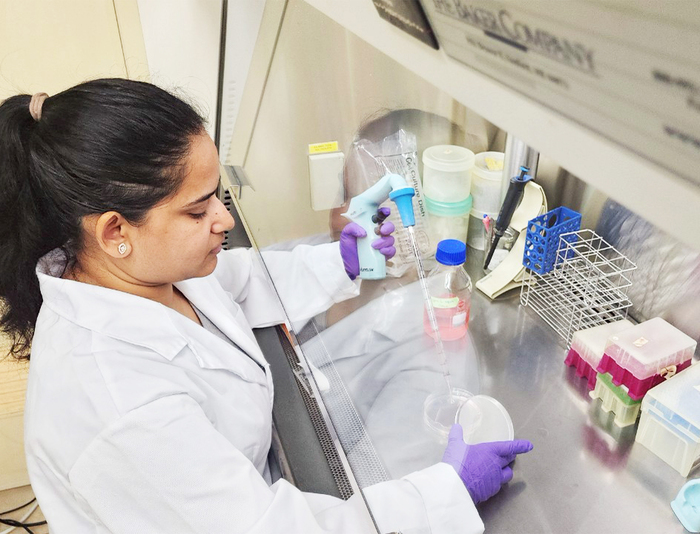

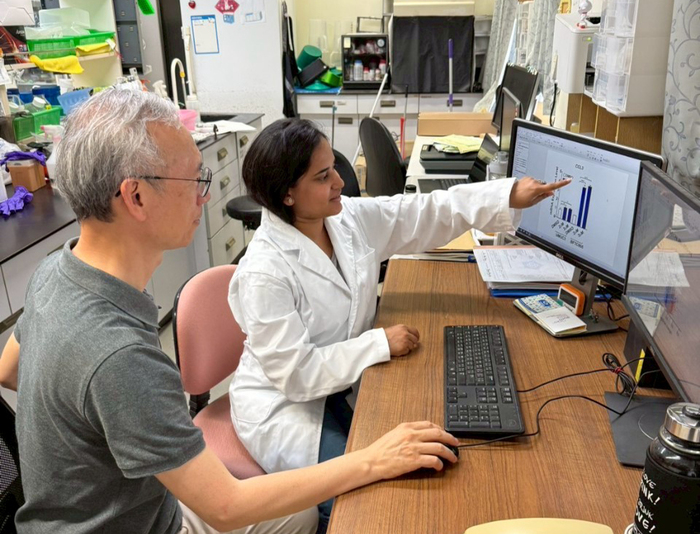

A multidisciplinary research team led by the Department of Biomedical Sciences at National Chung Cheng University (CCU), in collaboration with the Institute of Biological Chemistry at Academia Sinica, the Department of Chemical Engineering at National Cheng Kung University, and the Department of Urology at Chiayi Christian Hospital, has made a ground-breaking discovery after six years of research. Their latest findings, recently published in the international journal Molecular Medicine, reveal that the common antihistamine drug Cyproheptadine can enhance the immune system’s ability to recognize and attack cancer cells, highlighting its potential as a novel anti-cancer therapy.
Previous studies by Professor Yung-En Chen from CCU’s Department of Biomedical Sciences and Professor Cheng-Huang Shen from Chiayi Christian Hospital’s Department of Urology have already demonstrated Cyproheptadine’s anti-bladder cancer effects. The new study further shows that the drug can modulate the epigenetic mechanisms of cancer cells, thereby activating natural killer (NK) cells to launch immune attacks that effectively suppress bladder tumor growth.
Bladder cancer is the second most common cancer of the urinary system and is notorious for its ability to evade immune surveillance, making it difficult to treat. The team’s experiments revealed that when cancer cells were treated with Cyproheptadine or another epigenetic inhibitor, Entinostat, the expression of immune recognition markers on the cell surface increased significantly. This enhancement allowed NK cells to better identify and destroy cancer cells.
Further animal studies confirmed that mice treated with Cyproheptadine or Entinostat exhibited slower tumor growth and higher infiltration of NK cells into tumor tissues. These findings demonstrate that both drugs can influence not only cancer cells themselves but also reprogram the tumor microenvironment to strengthen the body’s overall immune response against cancer.
This research represents a major step beyond traditional chemotherapy approaches, proposing a new strategy that “rewrites the genetic switches” of cancer cells to awaken the body’s immune defenses. The research team noted that Cyproheptadine is an established and safe medication, suggesting promising potential for its repurposing in the immunotherapy of bladder cancer and other immune-evasive cancers, offering new hope for clinical applications.
Full article:
https://link.springer.com/article/10.1186/s10020-025-01264-9