

National Chung Cheng University Hosts 2025 USR Collaborative Empowerment Program: Advancing Local Action and Collective Good
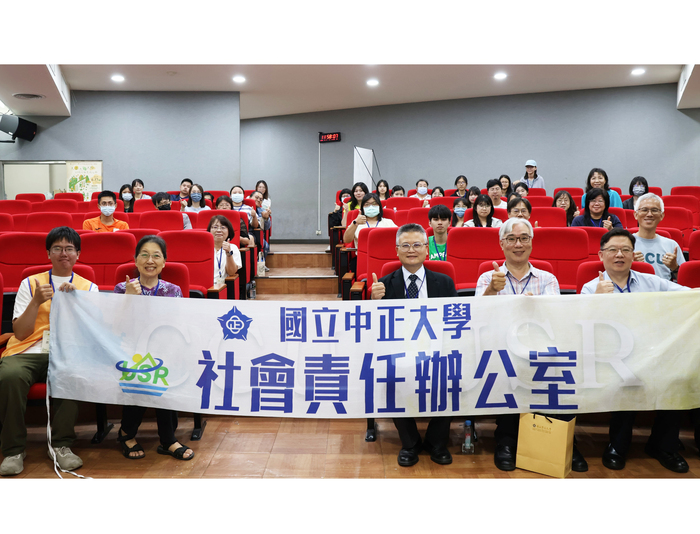
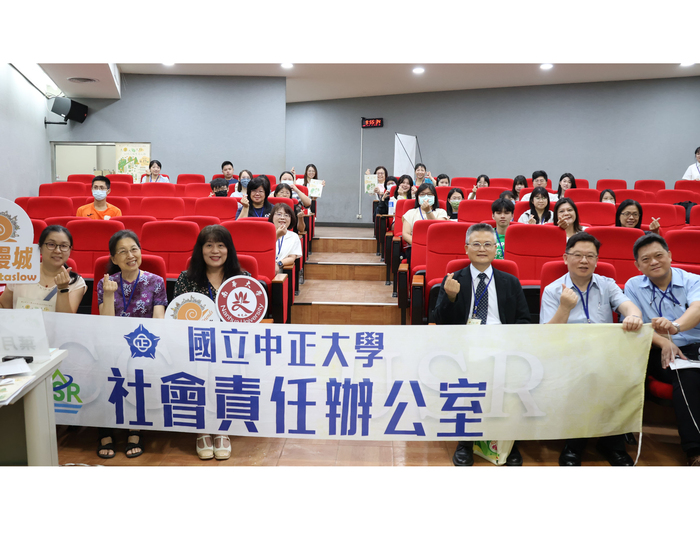
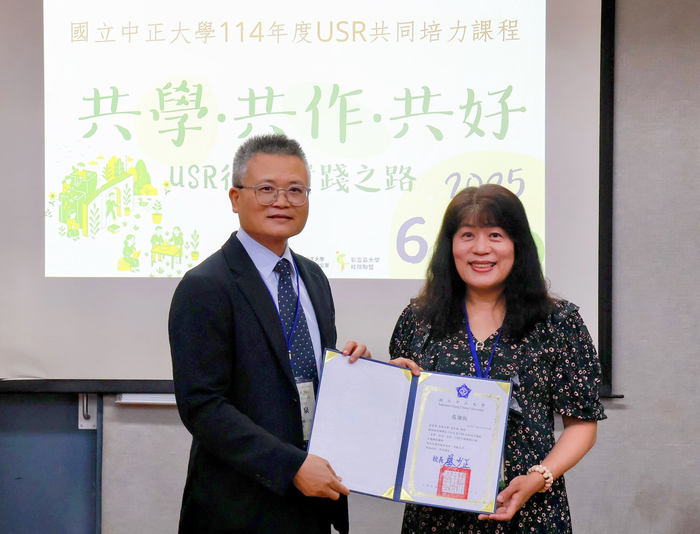
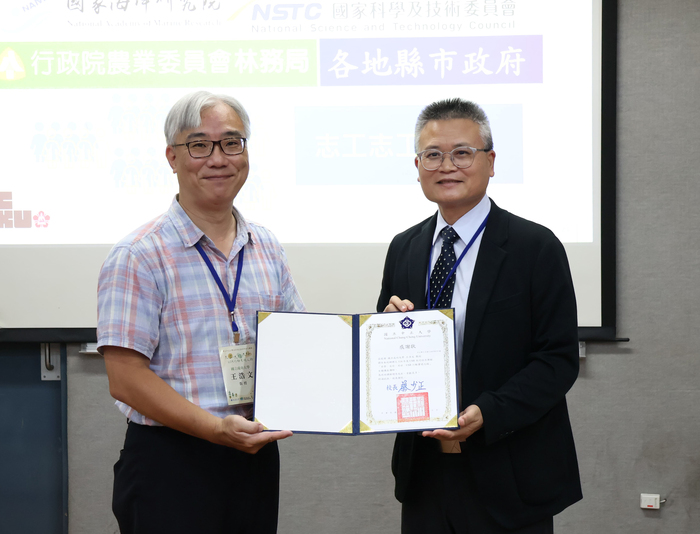
To deepen the implementation of University Social Responsibility (USR) and to promote cross-institutional collaboration, National Chung Cheng University (CCU) held the 2025 USR Collaborative Empowerment Program on June 17, under the theme “Co-Learning, Co-Creating, and Co-Thriving: The Path of USR Action.” The event took place at CCU’s Activity Center and was co-organized by the Changhua-Yunlin-Chiayi USR University Alliance, gathering USR project leaders, faculty, students, and field practitioners to explore diverse approaches to social responsibility in higher education.
The event commenced with opening remarks by CCU Vice President and Director of the Office of Social Responsibility, Prof. Hsin-Yuan Hung, who emphasized the importance of embedding USR into academic missions and fostering stronger societal linkages. Following this, Prof. Yueh-Chiao Yeh, Vice President of Nanhua University and a representative of the university alliance, also delivered remarks affirming the alliance’s ongoing commitment to mutual learning and regional sustainability through collaborative USR efforts.
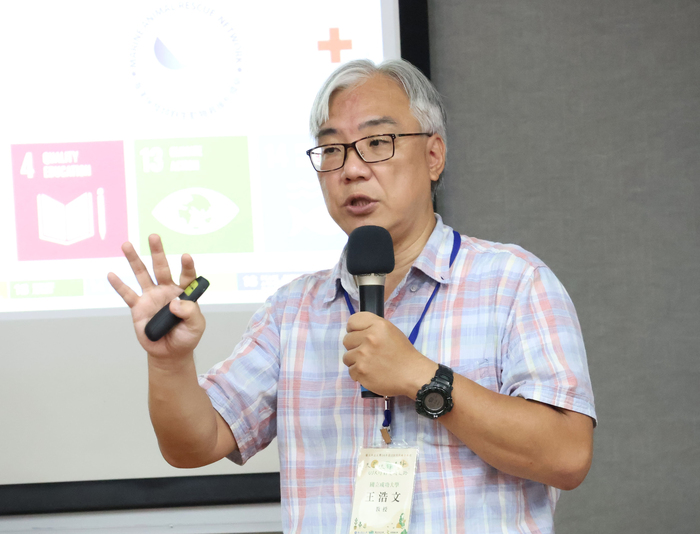
The morning session featured two keynote speeches. Prof. Yeh Yueh-Chiao of Nanhua University presented insights from her university’s USR program, particularly regarding the promotion of Slow Food and Cittaslow initiatives, illustrating how local culture and community engagement can connect with international sustainability networks. In the second lecture, Prof. Hao-Wen Wang of National Cheng Kung University shared his experience on marine conservation and cetacean rescue, highlighting how academic expertise can be translated into tangible societal impact.
In the afternoon, two parallel workshops were conducted to foster practical exchanges. Mr. Jin-Huang Chen, Chairperson of the Chiayi County Fuyuan Service Association, led the first session on “Social Prescriptions Based on Healthy Community Models,” focusing on grassroots health promotion and integrated care. The second workshop, “From Forest to Market,” was delivered by Mr. Chih-Min Wang, Chairperson of the Alishan Indigenous Forestry Cooperative, demonstrating how Tsou indigenous cultural values can be translated into resilient local industries and forest-based economic models.
With a balanced design of academic discussion and field application, this USR Collaborative Empowerment Program successfully strengthened shared understanding and cross-sector collaboration. It also showcased CCU’s commitment to foster grounded, interdisciplinary, and impactful USR practices. Looking ahead, the university will continue working hand-in-hand with regional partners to promote sustainable development and create collective social value.